
| Cat. # | Size | Qty. | Price |
|---|---|---|---|
| 8350T | 1 Kit (4 x 20 microliters) |
|
| Product Includes | Quantity | Applications | Reactivity | MW(kDa) | Isotype |
|---|---|---|---|---|---|
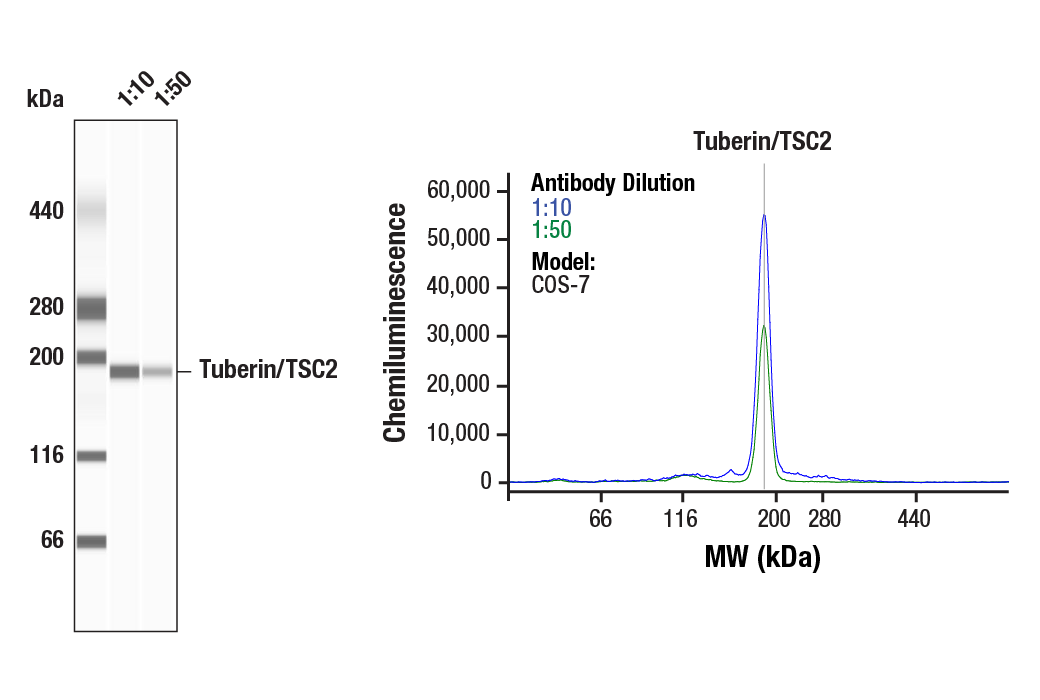
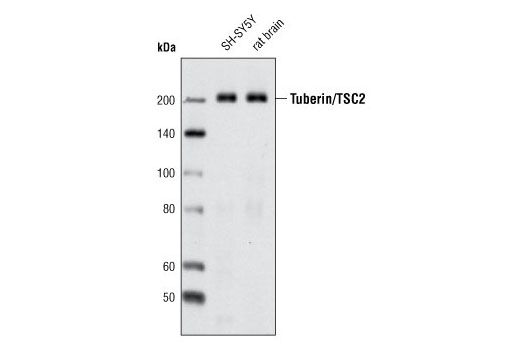
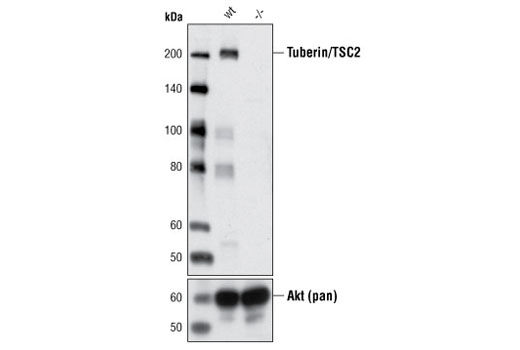
| Tuberin/TSC2 (D93F12) XP® Rabbit mAb 4308 | 20 µl |
|
H M R Hm Mk | 200 | Rabbit IgG |
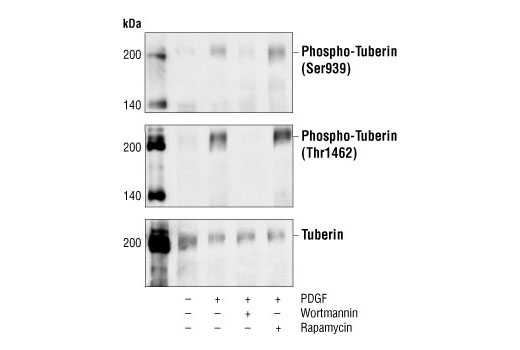
| Phospho-Tuberin/TSC2 (Ser939) Antibody 3615 | 20 µl |
|
H M | 200 | Rabbit |
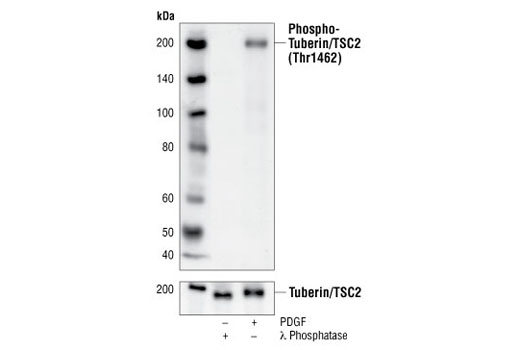
| Phospho-Tuberin/TSC2 (Thr1462) (5B12) Rabbit mAb 3617 | 20 µl |
|
H M R | 200 | Rabbit IgG |
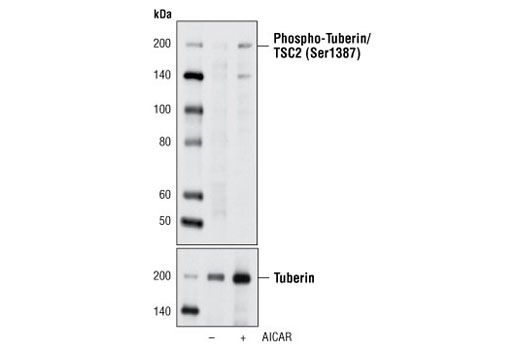
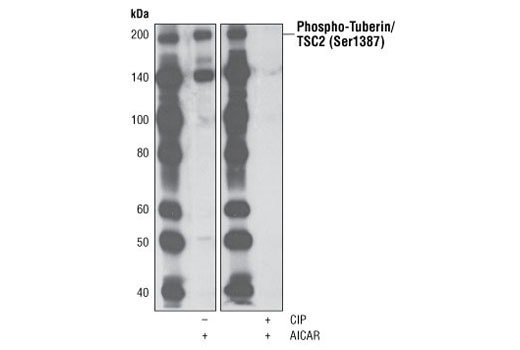
| Phospho-Tuberin/TSC2 (Ser1387) Antibody 5584 | 20 µl |
|
H M R Mk | 200 | Rabbit |
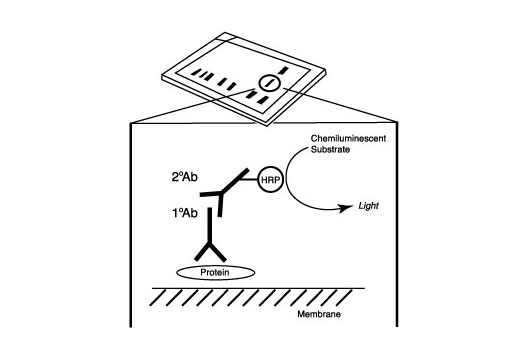
| Anti-rabbit IgG, HRP-linked Antibody 7074 | 100 µl |
|
Rab | Goat |
Product Information
Monoclonal antibodies are produced by immunizing animals with a synthetic peptide corresponding to carboxy-terminal residues of human tuberin protein or a synthetic phosphopeptide corresponding to residues surrounding Thr1462 of human tuberin protein. Polyclonal antibodies are produced by immunizing animals with a synthetic phosphopeptide corresponding to residues around Ser939 or corresponding to residues surrounding Ser1387 of human tuberin protein. Polyclonal antibodies are purified by protein A and peptide affinity chromatography.
Tuberin is a product of the TSC2 tumor suppressor gene and an important regulator of cell proliferation and tumor development (1). Mutations in either TSC2 or the related TSC1 (hamartin) gene cause tuberous sclerosis complex (TSC), an autosomal dominant disorder characterized by development of multiple, widespread non-malignant tumors (2). Tuberin is directly phosphorylated at Thr1462 by Akt/PKB (3). Phosphorylation at Thr1462 and Tyr1571 regulates tuberin-hamartin complexes and tuberin activity (3-5). In addition, tuberin inhibits the mammalian target of rapamycin (mTOR), which promotes inhibition of p70 S6 kinase, activation of eukaryotic initiation factor 4E binding protein 1 (4E-BP1, an inhibitor of translation initiation), and eventual inhibition of translation (3,6,7).
Explore pathways related to this product.
STRING - Known and Predicted Protein-Protein Interactions.
Except as otherwise expressly agreed in a writing signed by a legally authorized representative of CST, the following terms apply to Products provided by CST, its affiliates or its distributors. Any Customer's terms and conditions that are in addition to, or different from, those contained herein, unless separately accepted in writing by a legally authorized representative of CST, are rejected and are of no force or effect.
Products are labeled with For Research Use Only or a similar labeling statement and have not been approved, cleared, or licensed by the FDA or other regulatory foreign or domestic entity, for any purpose. Customer shall not use any Product for any diagnostic or therapeutic purpose, or otherwise in any manner that conflicts with its labeling statement. Products sold or licensed by CST are provided for Customer as the end-user and solely for research and development uses. Any use of Product for diagnostic, prophylactic or therapeutic purposes, or any purchase of Product for resale (alone or as a component) or other commercial purpose, requires a separate license from CST. Customer shall (a) not sell, license, loan, donate or otherwise transfer or make available any Product to any third party, whether alone or in combination with other materials, or use the Products to manufacture any commercial products, (b) not copy, modify, reverse engineer, decompile, disassemble or otherwise attempt to discover the underlying structure or technology of the Products, or use the Products for the purpose of developing any products or services that would compete with CST products or services, (c) not alter or remove from the Products any trademarks, trade names, logos, patent or copyright notices or markings, (d) use the Products solely in accordance with CST Product Terms of Sale and any applicable documentation, and (e) comply with any license, terms of service or similar agreement with respect to any third party products or services used by Customer in connection with the Products.

 PhosphoSitePlus®