See a real life example of how PTMScan technology can facilitate translational discovery. In this short video, we describe how CST not only identified a major driver of NSCLC, which can respond to an FDA approved drug, but went a step further and developed an antibody that can be used to test for patients who might be candidates for this treatment. All thanks to the power of simplified proteomics
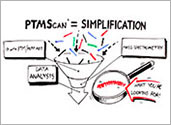
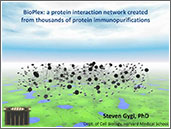
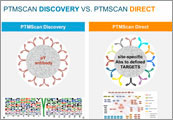

Learn more about how PTMScan® Proteomics Technology can advance your research by watching this tutorial video that outlines how this proprietary technology can be used in research studies to isolate and identify peptides containing post-translational modifications. This video also contains a specific example of how PTMScan® Technology enabled a recent publication in Science Signaling.

The intrinsically low abundance of critical phosphorylation sites on key proteins requires enrichment techniques for thorough proteomic analysis and understanding of the underlying signaling events within a particular study. Watch this video to learn how two different methods, antibody based immunoaffinty enrichment, and immobilized metal affinity chromatography (IMAC) were employed to offer more complete coverage of the phosphoproteome.
In conclusion, the data highlighted in this poster demonstrates that these two methods are highly complementary and are well-suited for comprehensive phosphopeptide analysis.