Revision 1

#37690

Store at -20C

CST Logo
Orders:

877-616-CELL (2355)

[email protected]

Support:

877-678-TECH (8324)

3 Trask Lane | Danvers | Massachusetts | 01923 | USA

For Research Use Only. Not for Use in Diagnostic Procedures.

Applications:
W, IHC-P, FC-FP

Reactivity:
H

Sensitivity:
Endogenous

MW (kDa):
8-13

Source/Isotype:
Human IgG

UniProt ID:
#Q16553

Entrez-Gene Id:
4061

Product Usage Information

Application Dilution
Western Blotting 1:1000
Immunohistochemistry (Paraffin) 1:100 - 1:400
Flow Cytometry (Fixed/Permeabilized) 1:400 - 1:800

Storage

Supplied in 10 mM sodium HEPES (pH 7.5), 150 mM NaCl, 100 µg/mL BSA, 50% glycerol, and less than 0.02% sodium azide. Store at –20°C. Do not aliquot the antibody.

Specificity/Sensitivity

LY6E (F8Y1R) Rabbit Monoclonal Antibody recognizes endogenous levels of total LY6E protein.

Source / Purification

Monoclonal antibody is produced by immunizing animals with a recombinant protein specific to the amino terminus of human LY6E protein. This antibody recognizes residues surrounding Val49 of human LY6E protein.

Background

The Ly-6 complex is a series of genes found on chromosome 15. These genes code for several different proteins that can be used as surface markers. The family members vary in their biological expression and have been shown to be involved in cell signaling and cell adhesion (1). The structure of these proteins includes a motif known as the LU domain, which contains three loops composed of disulfide bonds. These bonds are formed by 8 to 10 cysteines that can cause differences in the length of the loops as well as the sequences at each tip (2,4). There are 11 known Ly-6 genes on murine chromosome 15 that code for different proteins. These family members, excluding secreted Ly6/Plaur domain-containing 1 (LYPD1), encoded by the Slurp1 gene, are attached to the cell surface via a GPI anchor near the C-terminus. The structure of these proteins may play a role in transmembrane interactions and downstream signaling cascades (1,2). Ly-6 proteins have been widely used as differentiation markers on hematopoietic cells. The ability to isolate and express specific Ly-6 antibodies through hybridoma technology has allowed researchers to identify unique proteins (1). These proteins are expressed on subsets of immune cells at different stages of development, such as T cells, B cells, monocytes, granulocytes, and macrophages (1-6).

Lymphocyte antigen 6 family member E (LY6E), also known as stem cell antigen-2 (SCA-2), thymic shared antigen-1 (TSA-1), or retinoic acid-induced gene E (RIG-E), is widely expressed across various tissues, including the liver, spleen, lungs, and brain, as well as on several immune cell subsets. It plays critical roles in immune regulation, viral infection, and cancer progression, and is heavily induced by type I interferon (IFN). LY6E acts as a restriction factor against human coronaviruses by interfering with spike protein-mediated membrane fusion and blocking viral entry into host cells. Conversely, LY6E promotes the infection of other viruses, such as HIV-1, dengue, and Zika, by enhancing viral entry and fusion (7,8). LY6E is frequently overexpressed in several human malignancies, including breast and gastric cancers, where high expression correlates with poor survival outcomes (9). Recent research indicates that LY6E promotes tumor immune escape by facilitating the accumulation of M2 macrophages, driving the exclusion of CD8+ cytotoxic T cells from the tumor microenvironment (10). LY6E plays a complex role in regulating T cell activation and B cell development. It is heavily induced by IFN, acting as a classic interferon-stimulated gene (ISG). LY6E modulates T-lymphocyte proliferation and activation by interacting with CD3Z/CD247 (the zeta chain of the T-cell receptor complex) and can influence TCR sensitivity (10). The high expression of LY6E in tumors has established it as a promising target for pharmaceutical intervention, including antibody-drug conjugates (ADCs) (11). In the context of autoimmune disease, elevated LY6E levels are associated with systemic lupus erythematosus (SLE) activity and correlate with increased disease severity, likely due to the chronic interferon signature present in SLE patients (12).

Species Reactivity

Species reactivity is determined by testing in at least one approved application (e.g., western blot).

Western Blot Buffer

IMPORTANT: For western blots, incubate membrane with diluted primary antibody in 5% w/v BSA, 1X TBS, 0.1% Tween® 20 at 4°C with gentle shaking, overnight.

Applications Key

W: Western Blotting IHC-P: Immunohistochemistry (Paraffin) FC-FP: Flow Cytometry (Fixed/Permeabilized)

Cross-Reactivity Key

H: Human

Trademarks and Patents

Cell Signaling Technology is a trademark of Cell Signaling Technology, Inc.

All other trademarks are the property of their respective owners. Visit cellsignal.com/trademarks for more information.

Limited Uses

Except as otherwise expressly agreed in a writing signed by a legally authorized representative of CST, the following terms apply to Products provided by CST, its affiliates or its distributors. Any Customer's terms and conditions that are in addition to, or different from, those contained herein, unless separately accepted in writing by a legally authorized representative of CST, are rejected and are of no force or effect.

Products are labeled with For Research Use Only or a similar labeling statement and have not been approved, cleared, or licensed by the FDA or other regulatory foreign or domestic entity, for any purpose. Customer shall not use any Product for any diagnostic or therapeutic purpose, or otherwise in any manner that conflicts with its labeling statement. Products sold or licensed by CST are provided for Customer as the end-user and solely for research and development uses. Any use of Product for diagnostic, prophylactic or therapeutic purposes, or any purchase of Product for resale (alone or as a component) or other commercial purpose, requires a separate license from CST. Customer shall (a) not sell, license, loan, donate or otherwise transfer or make available any Product to any third party, whether alone or in combination with other materials, or use the Products to manufacture any commercial products, (b) not copy, modify, reverse engineer, decompile, disassemble or otherwise attempt to discover the underlying structure or technology of the Products, or use the Products for the purpose of developing any products or services that would compete with CST products or services, (c) not alter or remove from the Products any trademarks, trade names, logos, patent or copyright notices or markings, (d) use the Products solely in accordance with CST Product Terms of Sale and any applicable documentation, and (e) comply with any license, terms of service or similar agreement with respect to any third party products or services used by Customer in connection with the Products.

Orders: 877-616-CELL (2355) [email protected] Support: 877-678-TECH (8324) [email protected] Web: cellsignal.com
For Research Use Only. Not for Use in Diagnostic Procedures.

Revision 1

Cell Signaling Technology Logo
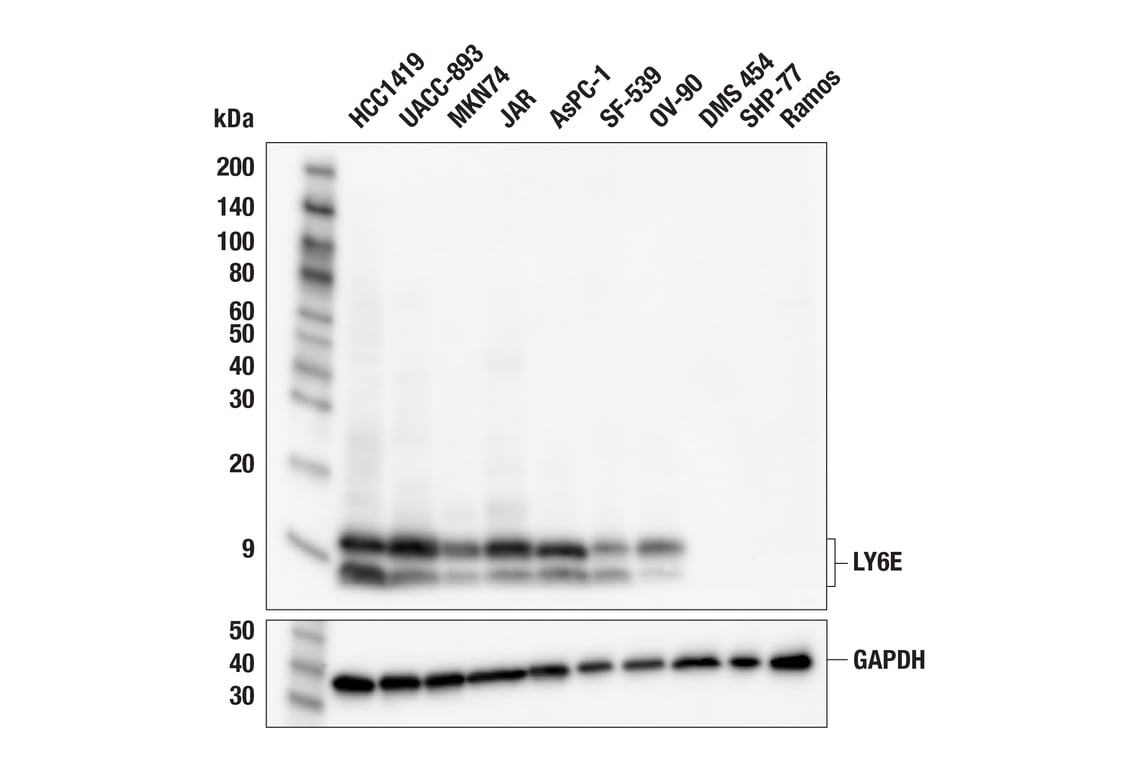
Western blot analysis of extracts from various cell lines using LY6E (F8Y1R) Rabbit Monoclonal Antibody (upper) or GAPDH (D16H11) Rabbit Monoclonal Antibody #5174 (lower). Negative expression of LY6E protein in DMS 454, SHP-77, and Ramos cells is consistent with the predicted expression pattern.
Western Blotting Image 1: LY6E (F8Y1R) Rabbit Monoclonal Antibody
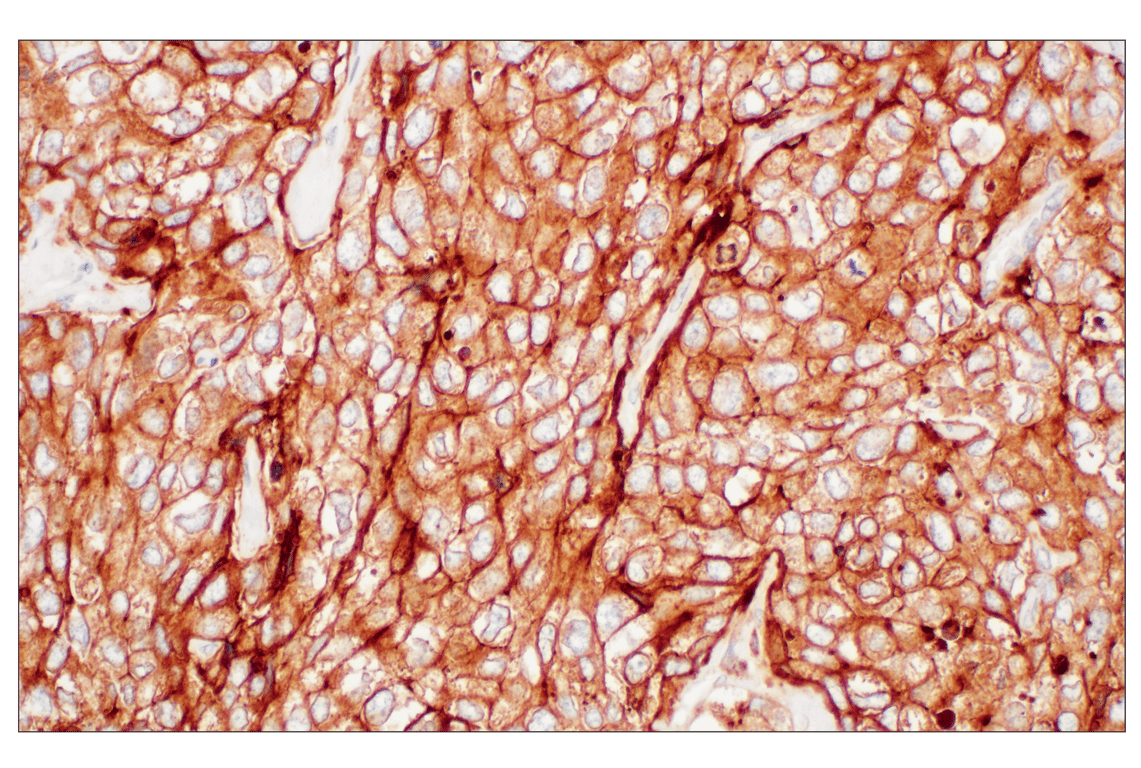
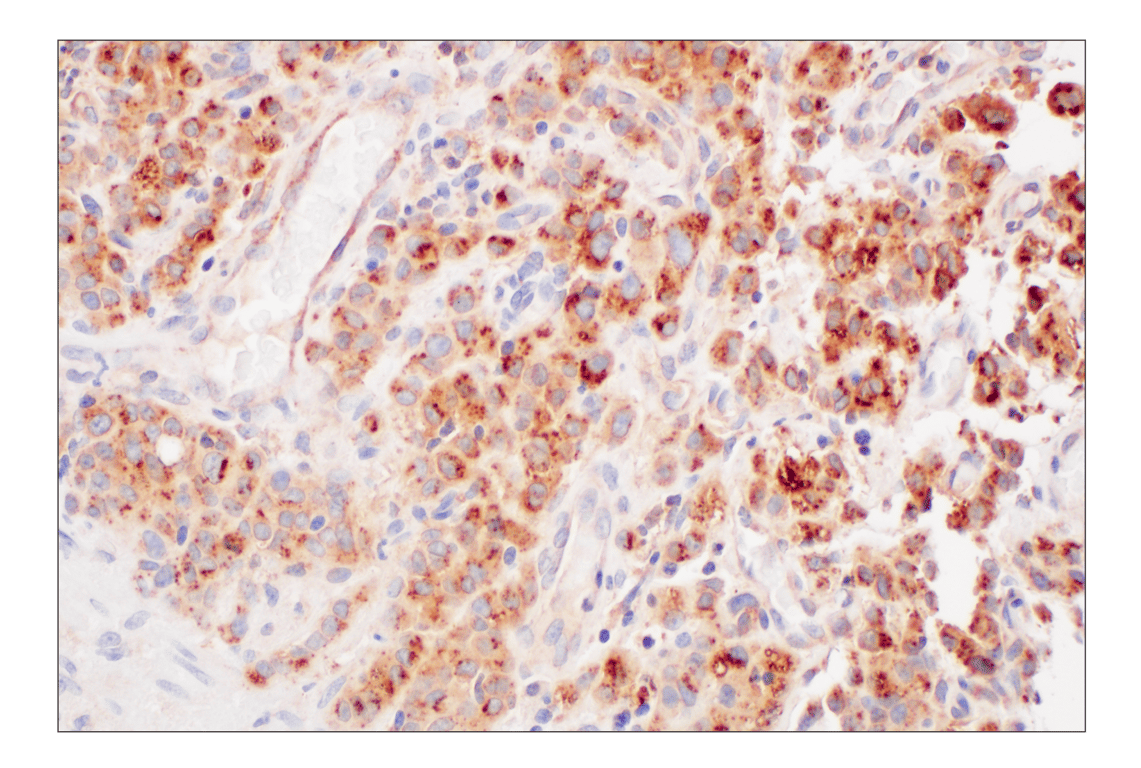
Immunohistochemical analysis of paraffin-embedded human ductal breast carcinoma using LY6E (F8Y1R) Rabbit Monoclonal Antibody.
Immunohistochemistry Image 1: LY6E (F8Y1R) Rabbit Monoclonal Antibody
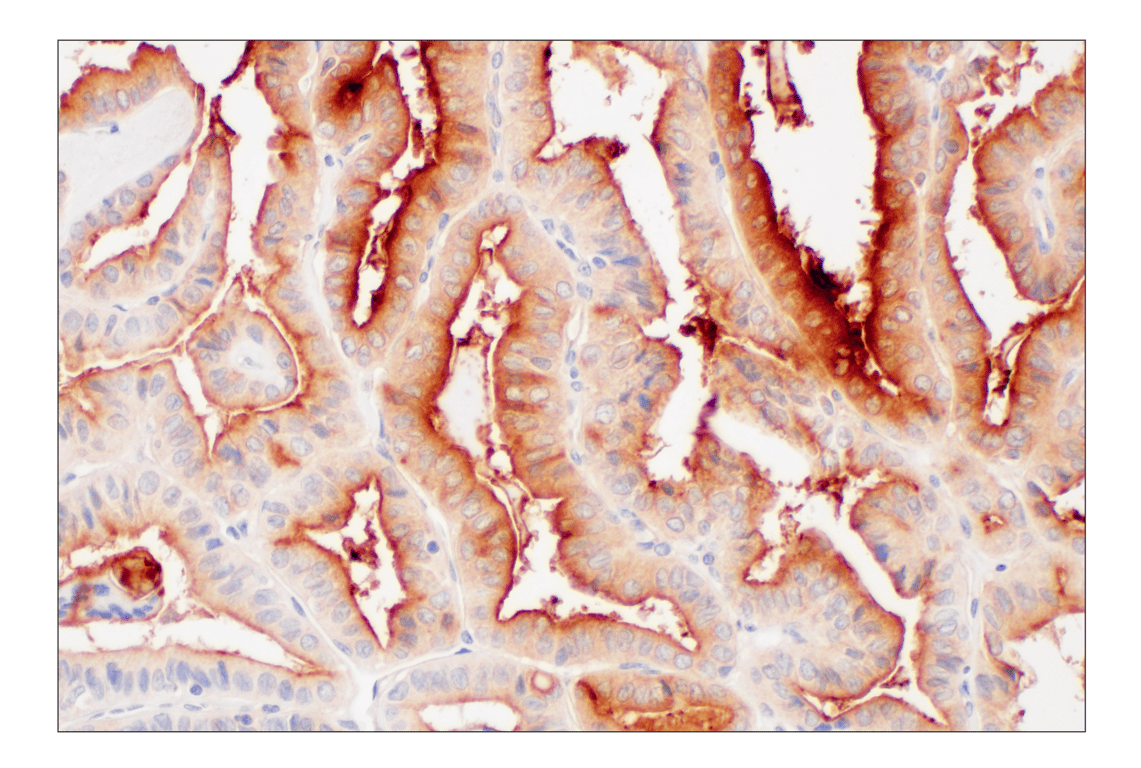
Immunohistochemical analysis of paraffin-embedded human papillary thyroid carcinoma using LY6E (F8Y1R) Rabbit Monoclonal Antibody.
Immunohistochemistry Image 2: LY6E (F8Y1R) Rabbit Monoclonal Antibody
Orders: 877-616-CELL (2355) [email protected] Support: 877-678-TECH (8324) [email protected] Web: cellsignal.com
For Research Use Only. Not for Use in Diagnostic Procedures.

Revision 1

Cell Signaling Technology Logo
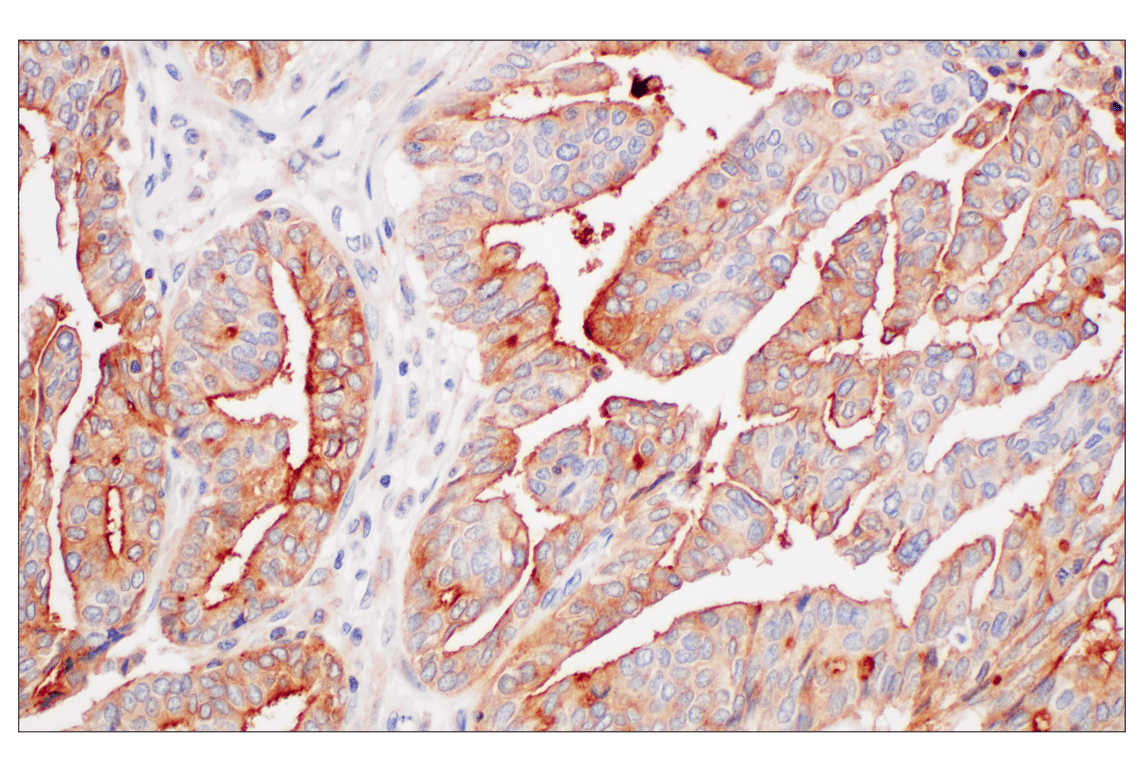
Immunohistochemical analysis of paraffin-embedded human serous papillary carcinoma of the ovary using LY6E (F8Y1R) Rabbit Monoclonal Antibody.
Immunohistochemistry Image 3: LY6E (F8Y1R) Rabbit Monoclonal Antibody
Immunohistochemical analysis of paraffin-embedded human gastric adenocarcinoma using LY6E (F8Y1R) Rabbit Monoclonal Antibody.
Immunohistochemistry Image 4: LY6E (F8Y1R) Rabbit Monoclonal Antibody
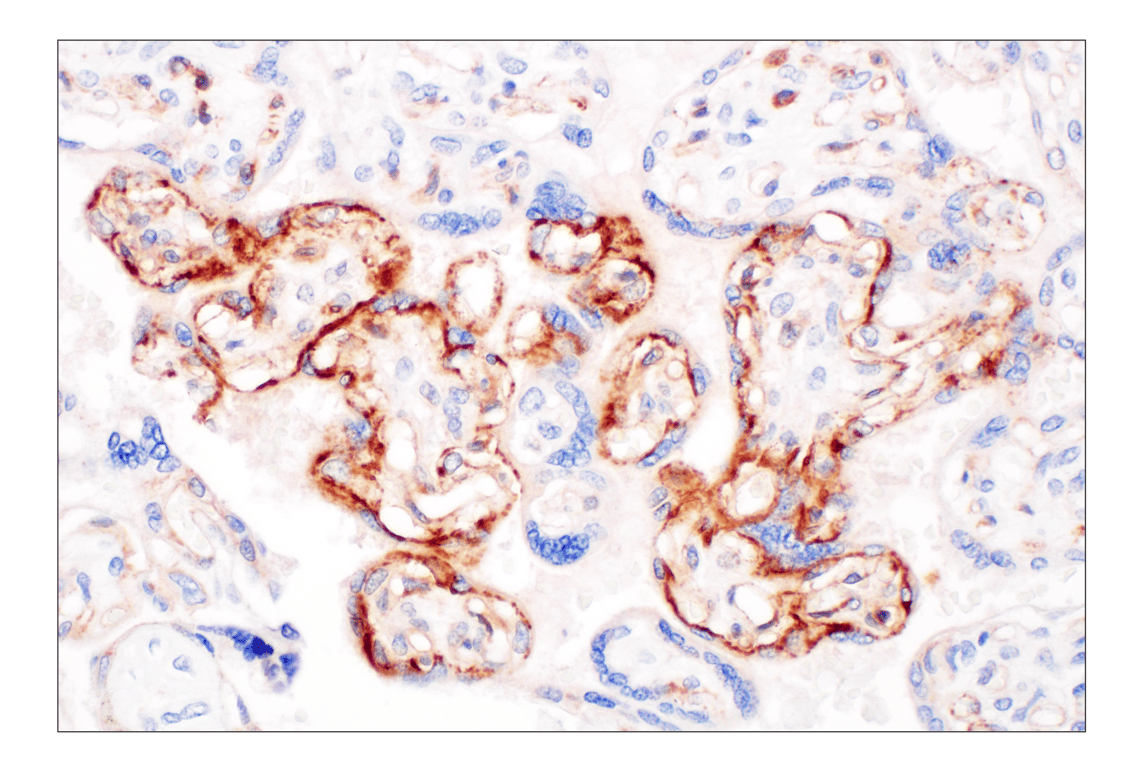
Immunohistochemical analysis of paraffin-embedded normal human placenta using LY6E (F8Y1R) Rabbit Monoclonal Antibody.
Immunohistochemistry Image 5: LY6E (F8Y1R) Rabbit Monoclonal Antibody
Orders: 877-616-CELL (2355) [email protected] Support: 877-678-TECH (8324) [email protected] Web: cellsignal.com
For Research Use Only. Not for Use in Diagnostic Procedures.

Revision 1

Cell Signaling Technology Logo
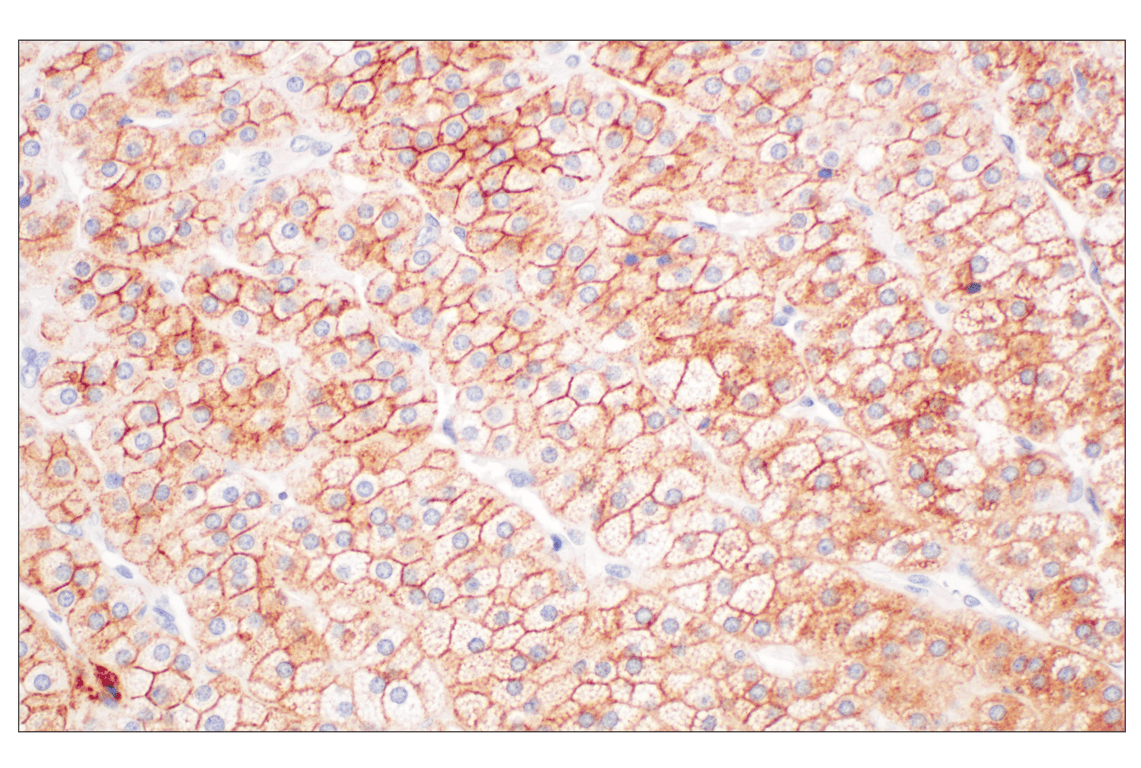
Immunohistochemical analysis of paraffin-embedded normal human adrenal gland using LY6E (F8Y1R) Rabbit Monoclonal Antibody.
Immunohistochemistry Image 6: LY6E (F8Y1R) Rabbit Monoclonal Antibody
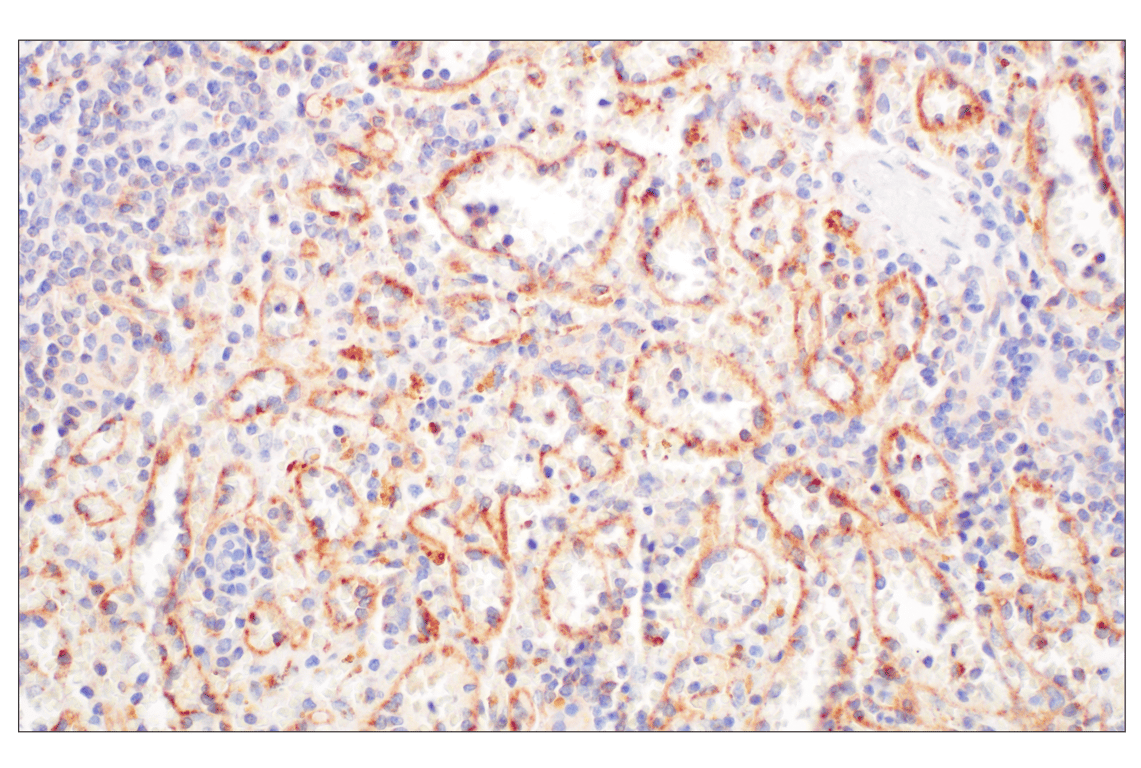
Immunohistochemical analysis of paraffin-embedded normal human spleen using LY6E (F8Y1R) Rabbit Monoclonal Antibody.
Immunohistochemistry Image 7: LY6E (F8Y1R) Rabbit Monoclonal Antibody
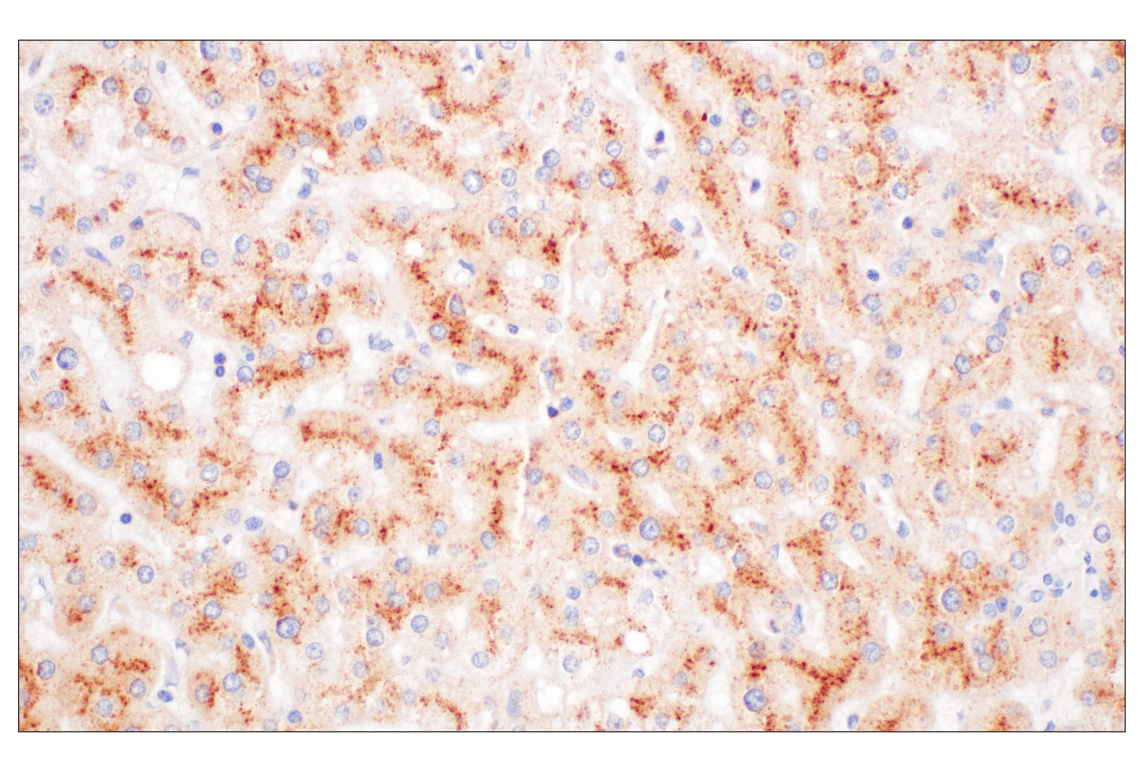
Immunohistochemical analysis of paraffin-embedded normal human liver using LY6E (F8Y1R) Rabbit Monoclonal Antibody.
Immunohistochemistry Image 8: LY6E (F8Y1R) Rabbit Monoclonal Antibody
Orders: 877-616-CELL (2355) [email protected] Support: 877-678-TECH (8324) [email protected] Web: cellsignal.com
For Research Use Only. Not for Use in Diagnostic Procedures.

Revision 1

Cell Signaling Technology Logo
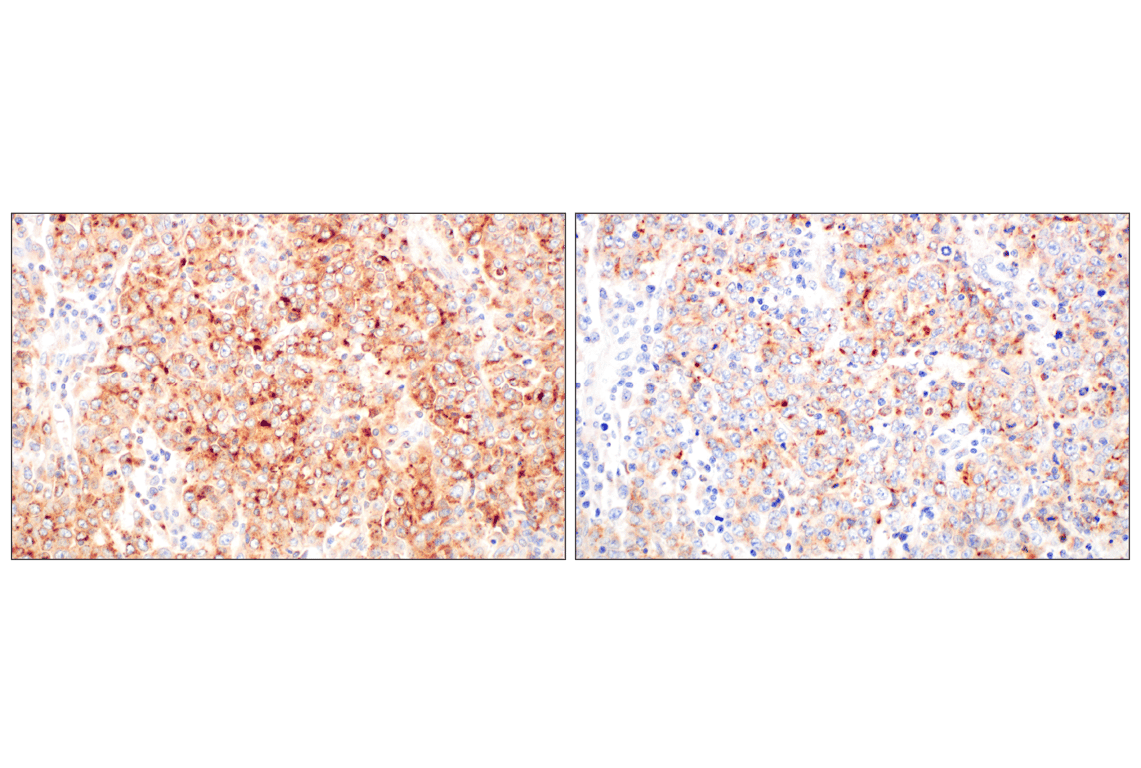
Immunohistochemical analysis of paraffin-embedded human colon adenocarcinoma using LY6E (F8Y1R) Rabbit Monoclonal Antibody (left) or an LY6E Rabbit Monoclonal Antibody (right). These two antibodies detect unique, non-overlapping epitopes on human LY6E. The similar staining patterns obtained with both antibodies help to confirm the specificity of the staining.
Immunohistochemistry Image 9: LY6E (F8Y1R) Rabbit Monoclonal Antibody
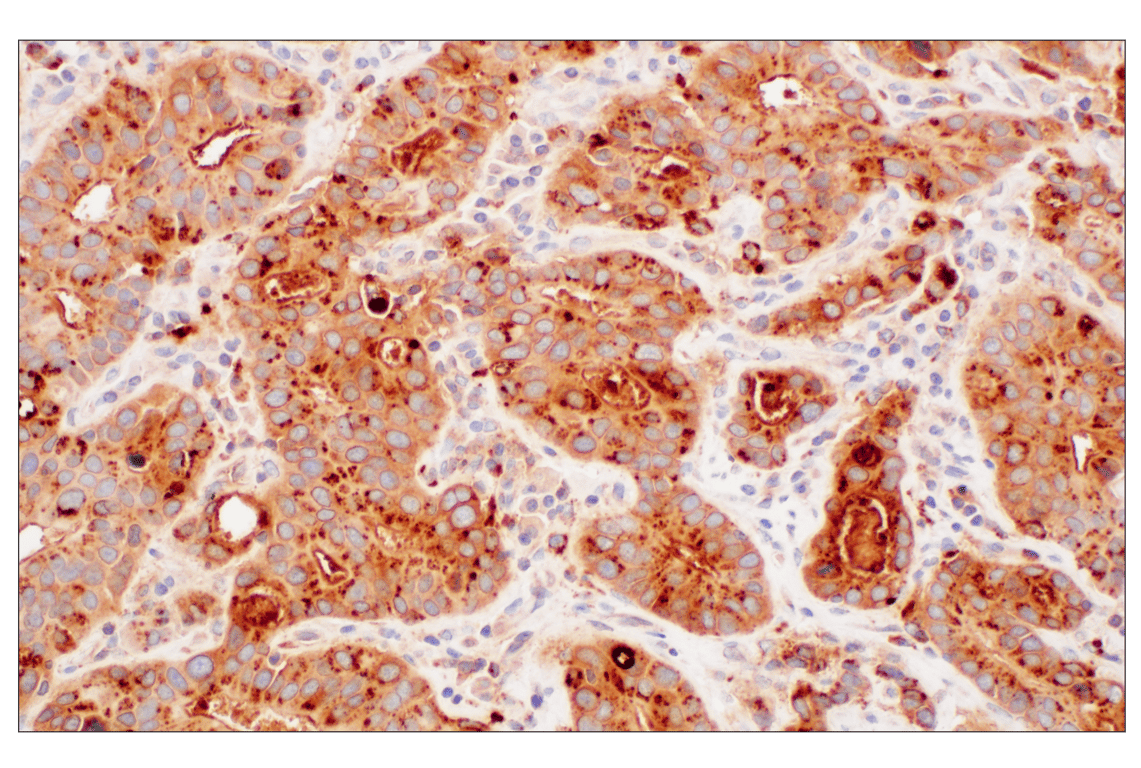
Immunohistochemical analysis of paraffin-embedded human esophageal adenocarcinoma using LY6E (F8Y1R) Rabbit Monoclonal Antibody.
Immunohistochemistry Image 10: LY6E (F8Y1R) Rabbit Monoclonal Antibody
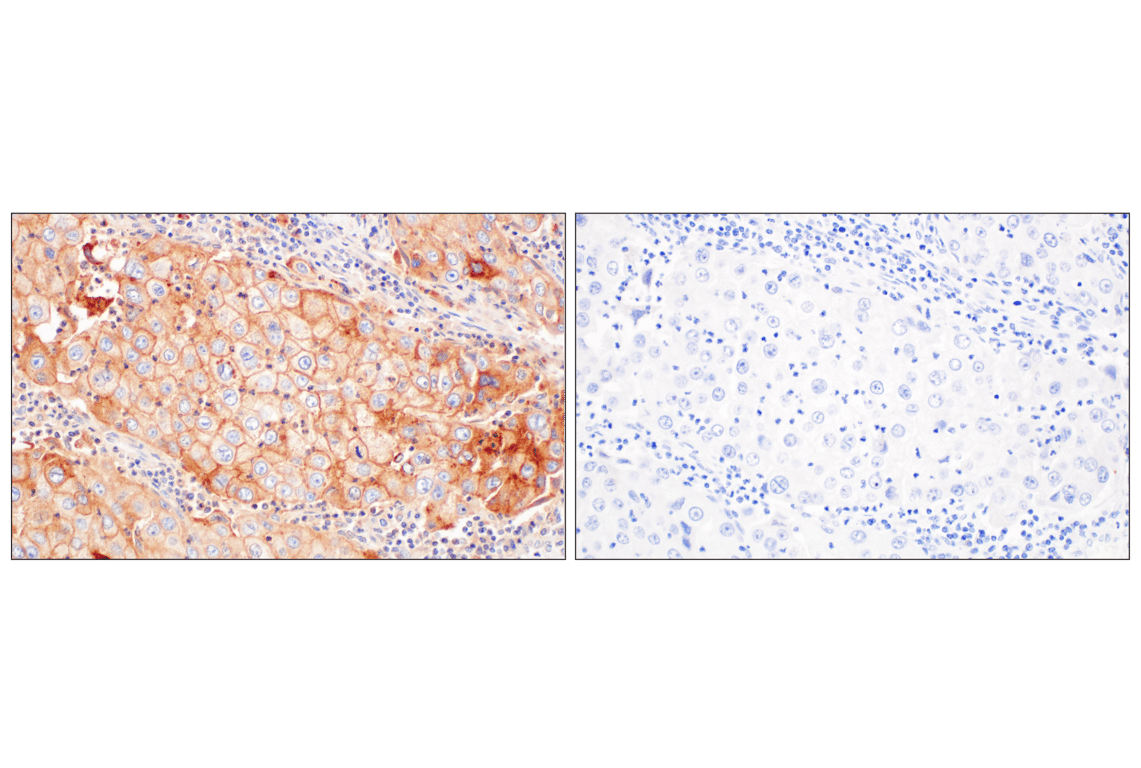
Immunohistochemical analysis of paraffin-embedded human urothelial carcinoma using LY6E (F8Y1R) Rabbit Monoclonal Antibody (left) compared to concentration-matched Rabbit (DA1E) Monoclonal Antibody IgG Isotype Control #3900 (right).
Immunohistochemistry Image 11: LY6E (F8Y1R) Rabbit Monoclonal Antibody
Orders: 877-616-CELL (2355) [email protected] Support: 877-678-TECH (8324) [email protected] Web: cellsignal.com
For Research Use Only. Not for Use in Diagnostic Procedures.

Revision 1

Cell Signaling Technology Logo
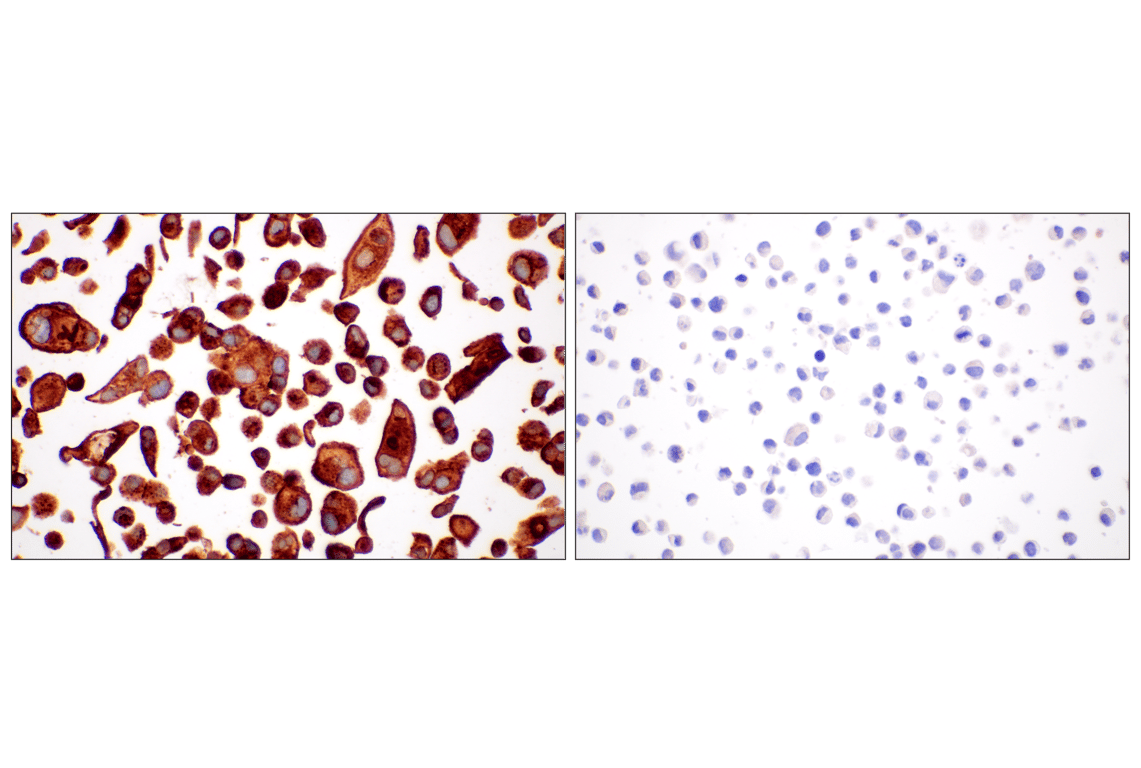
Immunohistochemical analysis of paraffin-embedded HCC1419 cell pellet (left, positive) or SHP-77 cell pellet (right, negative) using LY6E (F8Y1R) Rabbit Monoclonal Antibody.
Immunohistochemistry Image 12: LY6E (F8Y1R) Rabbit Monoclonal Antibody
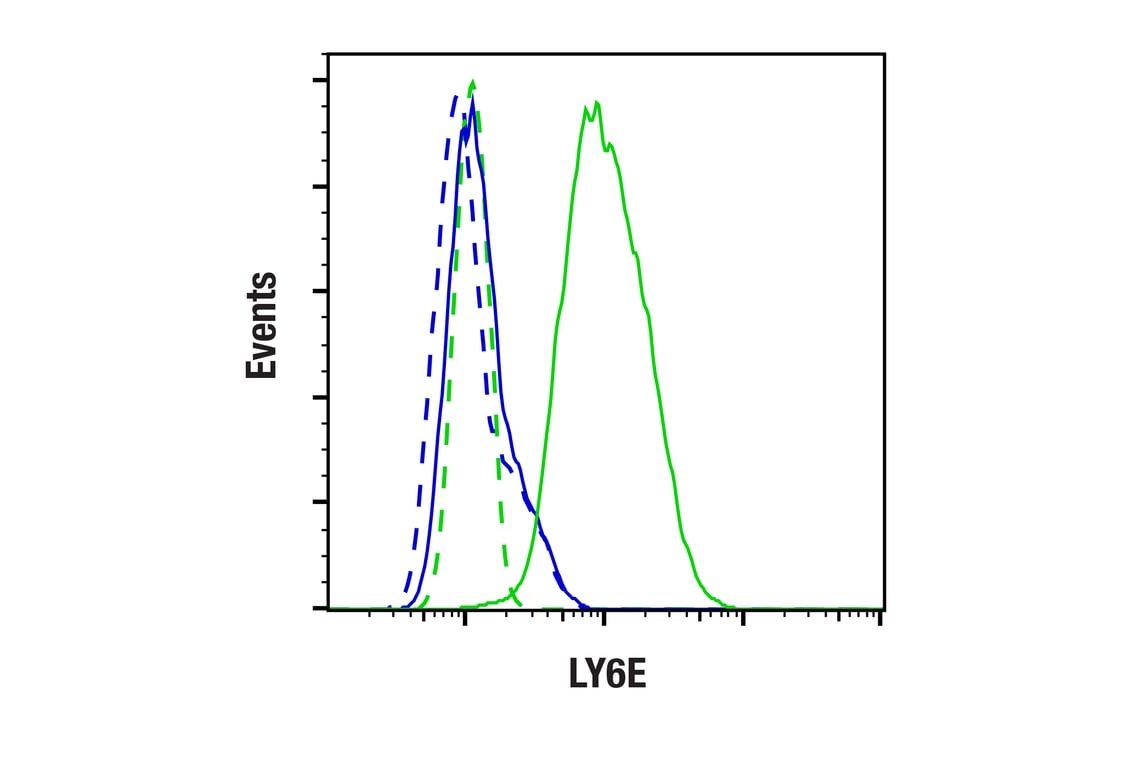
Flow cytometric analysis of fixed/permeabilized SHP-77 cells (blue, negative) and HCC1419 cells (green, positive) using LY6E (F8Y1R) Rabbit Monoclonal Antibody (solid lines) or concentration-matched Rabbit (DA1E) Monoclonal Antibody IgG Isotype Control #3900 (dashed lines). Anti-rabbit IgG (H+L), F(ab')2 Fragment (Alexa Fluor® 488 Conjugate) #4412 was used as a secondary antibody.
Flow Cytometry Image 1: LY6E (F8Y1R) Rabbit Monoclonal Antibody
Orders: 877-616-CELL (2355) [email protected] Support: 877-678-TECH (8324) [email protected] Web: cellsignal.com
For Research Use Only. Not for Use in Diagnostic Procedures.