Revision 3

#62054

Store at -20C

CST Logo
Orders:

877-616-CELL (2355)

[email protected]

Support:

877-678-TECH (8324)

3 Trask Lane | Danvers | Massachusetts | 01923 | USA

For Research Use Only. Not for Use in Diagnostic Procedures.

Applications:
W, W-S, IHC-P, IF-IC

Reactivity:
H

Sensitivity:
Endogenous

MW (kDa):
230

Source/Isotype:
Rabbit IgG

UniProt ID:
#Q9H4A3

Entrez-Gene Id:
65125

Product Usage Information

Application Dilution
Western Blotting 1:1000
Simple Western™ 1:10 - 1:50
Immunohistochemistry (Paraffin) 1:200 - 1:800
Immunofluorescence (Immunocytochemistry) 1:3200 - 1:6400

Storage

Supplied in 10 mM sodium HEPES (pH 7.5), 150 mM NaCl, 100 µg/mL BSA, 50% glycerol, and less than 0.02% sodium azide. Store at –20°C. Do not aliquot the antibody.

Specificity/Sensitivity

WNK1 (F1O3U) Rabbit Monoclonal Antibody recognizes endogenous levels of total WNK1 protein.

Source / Purification

Monoclonal antibody is produced by immunizing animals with a synthetic peptide corresponding to residues near the amino terminus of human WNK1 protein.

Background

The WNK [with no lysine (K)] family of serine/threonine kinases is characterized by having a cysteine in place of lysine in subdomain II of its kinase activation domain (1,2). The lysine necessary for phosphoryl transfer is located in an atypical position in the catalytic domain. Four WNK family members have been identified in humans (WNK1-4) and have been implicated in regulating ion permeability (3). Mutations in the WNK1 and WNK4 genes in humans cause pseudohypoaldosteronism type II (PHAII), an autosomal dominant disorder leading to hypertension, hyperkalemia, and renal tubular acidosis (4). WNK4 is specifically expressed in the kidney, whereas WNK1 has a wider distribution but is predominantly expressed in polarized epithelia (1-3). Heterozygous Wnk1 mutations in mice result in a significant decrease in blood pressure, while homozygous mutations are embryonic lethal (5). WNK1 is phosphorylated by Akt at Thr60 (6). In addition, WNK1 may be autophosphorylated at Ser382 in the activation loop, which is thought to be required for its kinase activity (7).

Species Reactivity

Species reactivity is determined by testing in at least one approved application (e.g., western blot).

Western Blot Buffer

IMPORTANT: For western blots, incubate membrane with diluted primary antibody in 5% w/v BSA, 1X TBS, 0.1% Tween® 20 at 4°C with gentle shaking, overnight.

Applications Key

W: Western Blotting W-S: Simple Western™ IHC-P: Immunohistochemistry (Paraffin) IF-IC: Immunofluorescence (Immunocytochemistry)

Cross-Reactivity Key

H: Human

Trademarks and Patents

Cell Signaling Technology is a trademark of Cell Signaling Technology, Inc.

All other trademarks are the property of their respective owners. Visit cellsignal.com/trademarks for more information.

Limited Uses

Except as otherwise expressly agreed in a writing signed by a legally authorized representative of CST, the following terms apply to Products provided by CST, its affiliates or its distributors. Any Customer's terms and conditions that are in addition to, or different from, those contained herein, unless separately accepted in writing by a legally authorized representative of CST, are rejected and are of no force or effect.

Products are labeled with For Research Use Only or a similar labeling statement and have not been approved, cleared, or licensed by the FDA or other regulatory foreign or domestic entity, for any purpose. Customer shall not use any Product for any diagnostic or therapeutic purpose, or otherwise in any manner that conflicts with its labeling statement. Products sold or licensed by CST are provided for Customer as the end-user and solely for research and development uses. Any use of Product for diagnostic, prophylactic or therapeutic purposes, or any purchase of Product for resale (alone or as a component) or other commercial purpose, requires a separate license from CST. Customer shall (a) not sell, license, loan, donate or otherwise transfer or make available any Product to any third party, whether alone or in combination with other materials, or use the Products to manufacture any commercial products, (b) not copy, modify, reverse engineer, decompile, disassemble or otherwise attempt to discover the underlying structure or technology of the Products, or use the Products for the purpose of developing any products or services that would compete with CST products or services, (c) not alter or remove from the Products any trademarks, trade names, logos, patent or copyright notices or markings, (d) use the Products solely in accordance with CST Product Terms of Sale and any applicable documentation, and (e) comply with any license, terms of service or similar agreement with respect to any third party products or services used by Customer in connection with the Products.

Orders: 877-616-CELL (2355) [email protected] Support: 877-678-TECH (8324) [email protected] Web: cellsignal.com
For Research Use Only. Not for Use in Diagnostic Procedures.

Revision 3

Cell Signaling Technology Logo
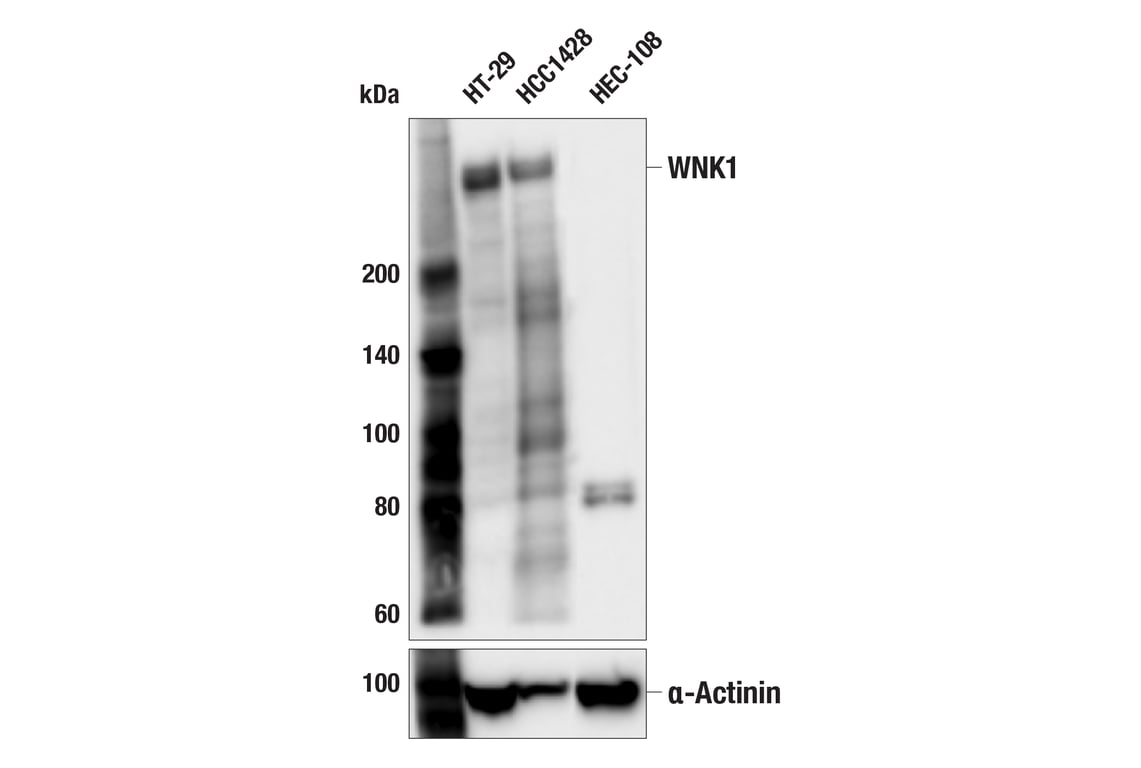
Western blot analysis of extracts from HT-29, HCC1428, and HEC-108 cells using WNK1 (F1O3U) Rabbit mAb (upper) or α-Actinin (D6F6) XP® Rabbit mAb #6487 (lower). Negative expression of WNK1 protein in HEC-108 cells is consistent with the predicted expression pattern.
Western Blotting Image 1: WNK1 (F1O3U) Rabbit Monoclonal Antibody
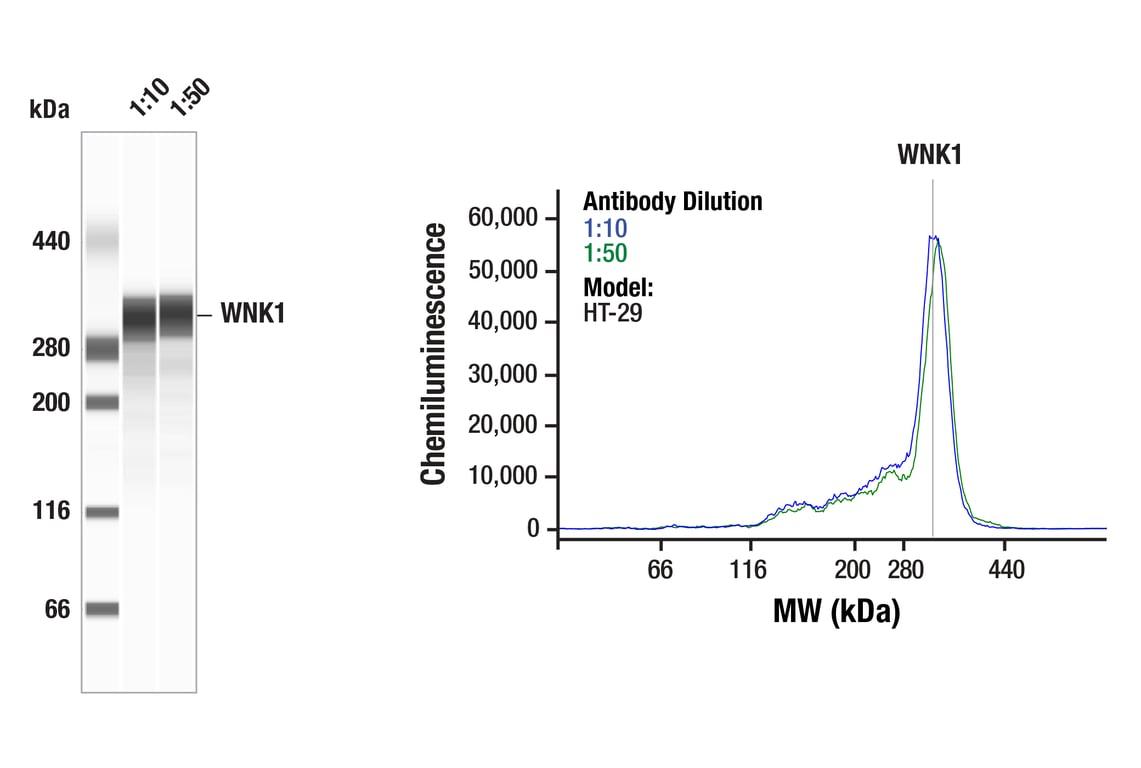
Simple WesternTM analysis of lysates (1 mg/mL) from HT-29 cells using WNK1 (F1O3U) Rabbit mAb #62054. The virtual lane view (left) shows a single target band (as indicated) at 1:10 and 1:50 dilutions of primary antibody. The corresponding electropherogram view (right) plots chemiluminescence by molecular weight along the capillary at 1:10 (blue line) and 1:50 (green line) dilutions of primary antibody. This experiment was performed under reducing conditions on the JessTM Simple Western instrument from ProteinSimple, a BioTechne brand, using the 66-440kDa separation module.
Western Blotting Image 1: WNK1 (F1O3U) Rabbit Monoclonal Antibody
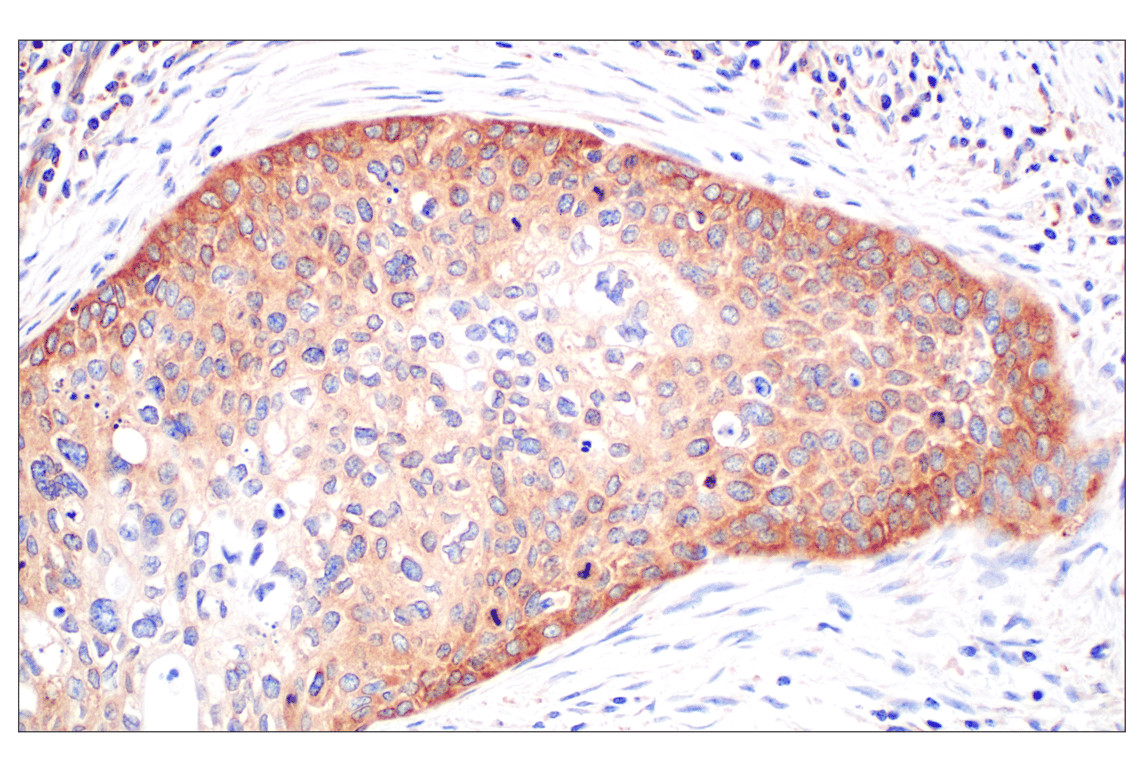
Immunohistochemical analysis of paraffin-embedded human squamous cell carcinoma of the cervix using WNK1 (F1O3U) Rabbit mAb.
Immunohistochemistry Image 1: WNK1 (F1O3U) Rabbit Monoclonal Antibody
Orders: 877-616-CELL (2355) [email protected] Support: 877-678-TECH (8324) [email protected] Web: cellsignal.com
For Research Use Only. Not for Use in Diagnostic Procedures.

Revision 3

Cell Signaling Technology Logo

Immunohistochemical analysis of paraffin-embedded human squamous cell lung carcinoma using WNK1 (F1O3U) Rabbit mAb.
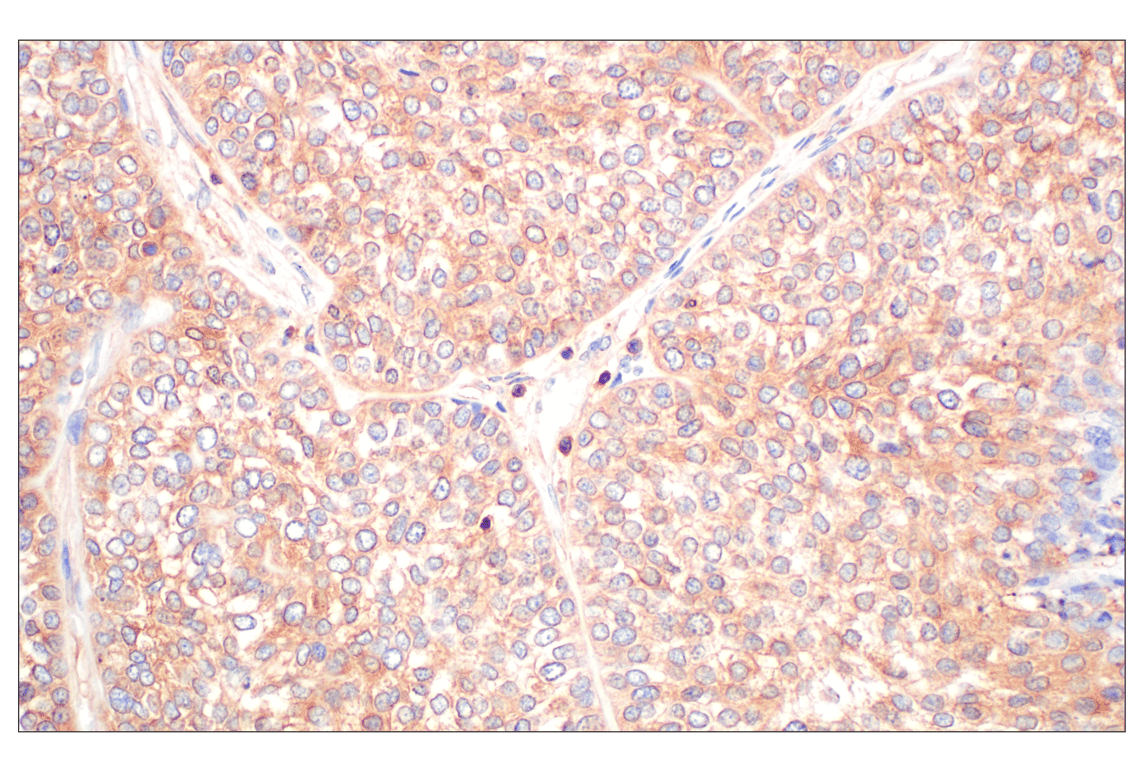
Immunohistochemistry Image 2: WNK1 (F1O3U) Rabbit Monoclonal Antibody

Immunohistochemical analysis of paraffin-embedded human non-Hodgkin lymphoma using WNK1 (F1O3U) Rabbit mAb.
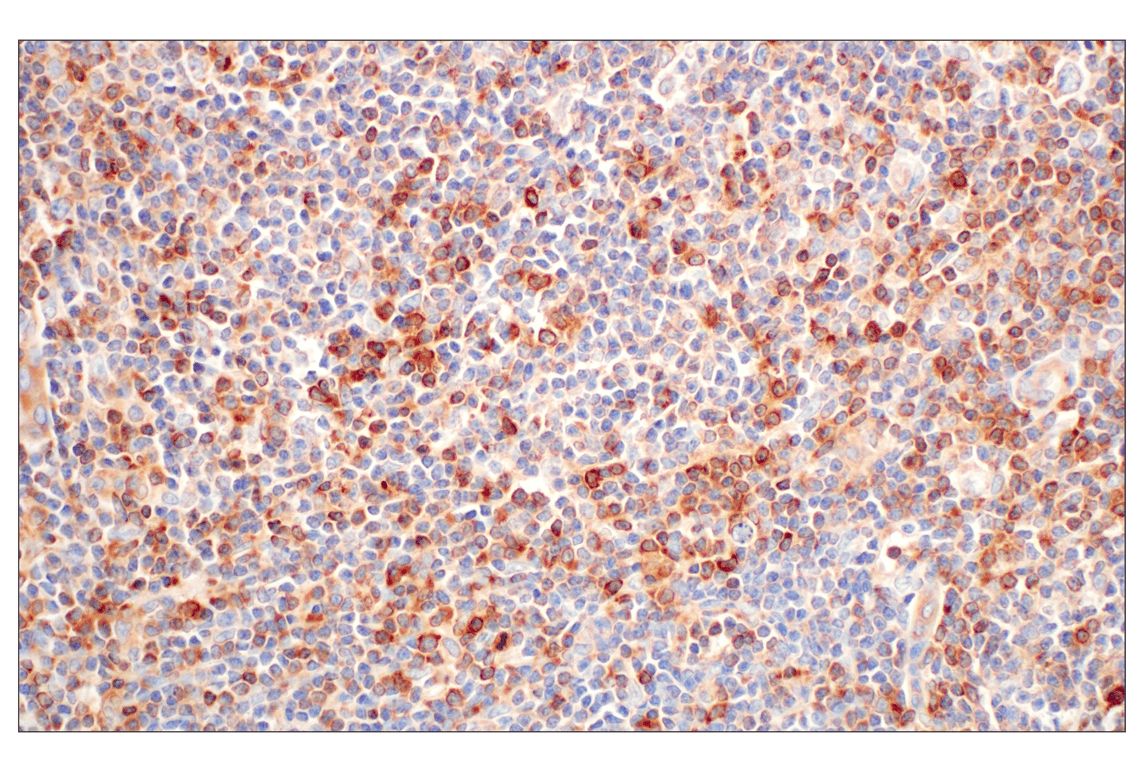
Immunohistochemistry Image 3: WNK1 (F1O3U) Rabbit Monoclonal Antibody

Immunohistochemical analysis of paraffin-embedded normal human testis using WNK1 (F1O3U) Rabbit mAb.
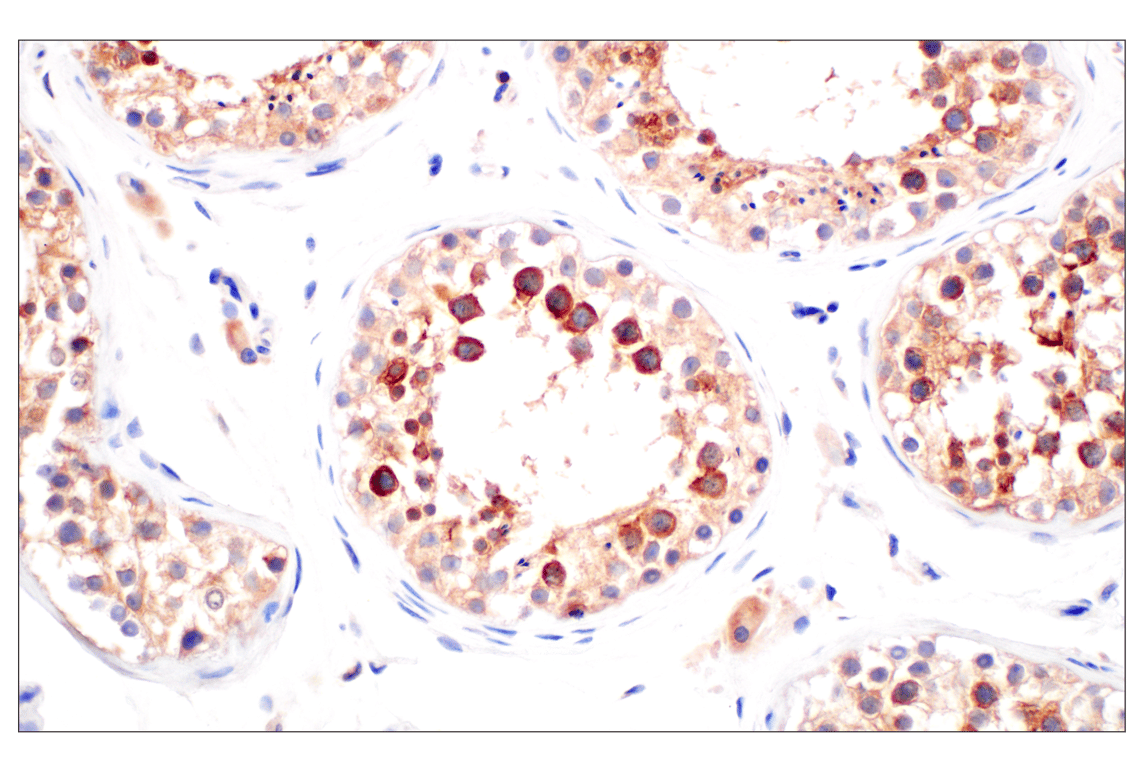
Immunohistochemistry Image 4: WNK1 (F1O3U) Rabbit Monoclonal Antibody
Orders: 877-616-CELL (2355) [email protected] Support: 877-678-TECH (8324) [email protected] Web: cellsignal.com
For Research Use Only. Not for Use in Diagnostic Procedures.

Revision 3

Cell Signaling Technology Logo
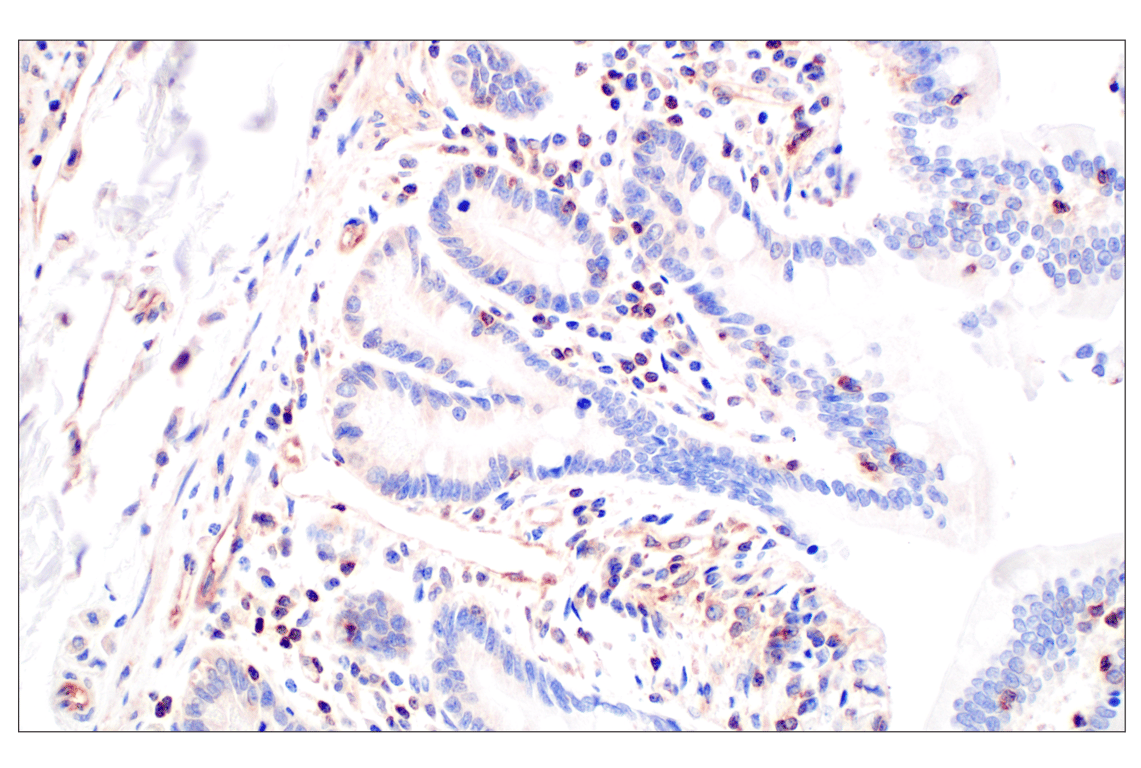
Immunohistochemical analysis of paraffin-embedded normal human colon using WNK1 (F1O3U) Rabbit mAb.
Immunohistochemistry Image 5: WNK1 (F1O3U) Rabbit Monoclonal Antibody

Immunohistochemical analysis of paraffin-embedded normal human brain using WNK1 (F1O3U) Rabbit mAb.
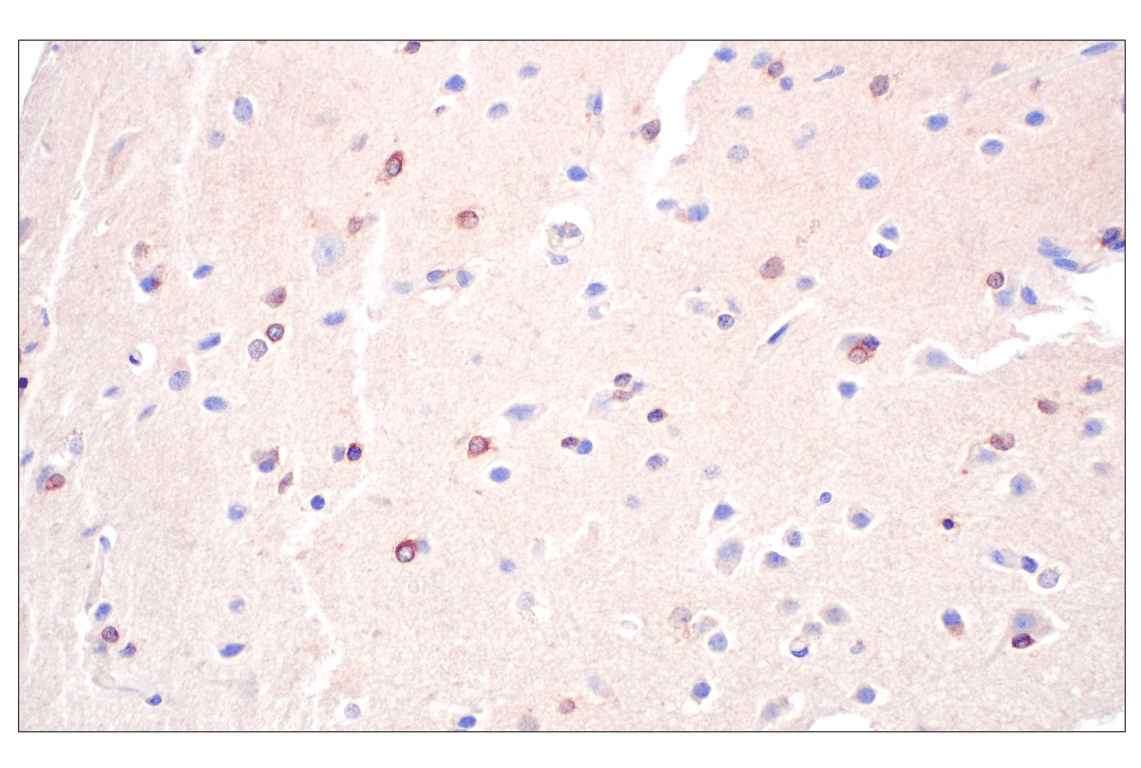
Immunohistochemistry Image 6: WNK1 (F1O3U) Rabbit Monoclonal Antibody
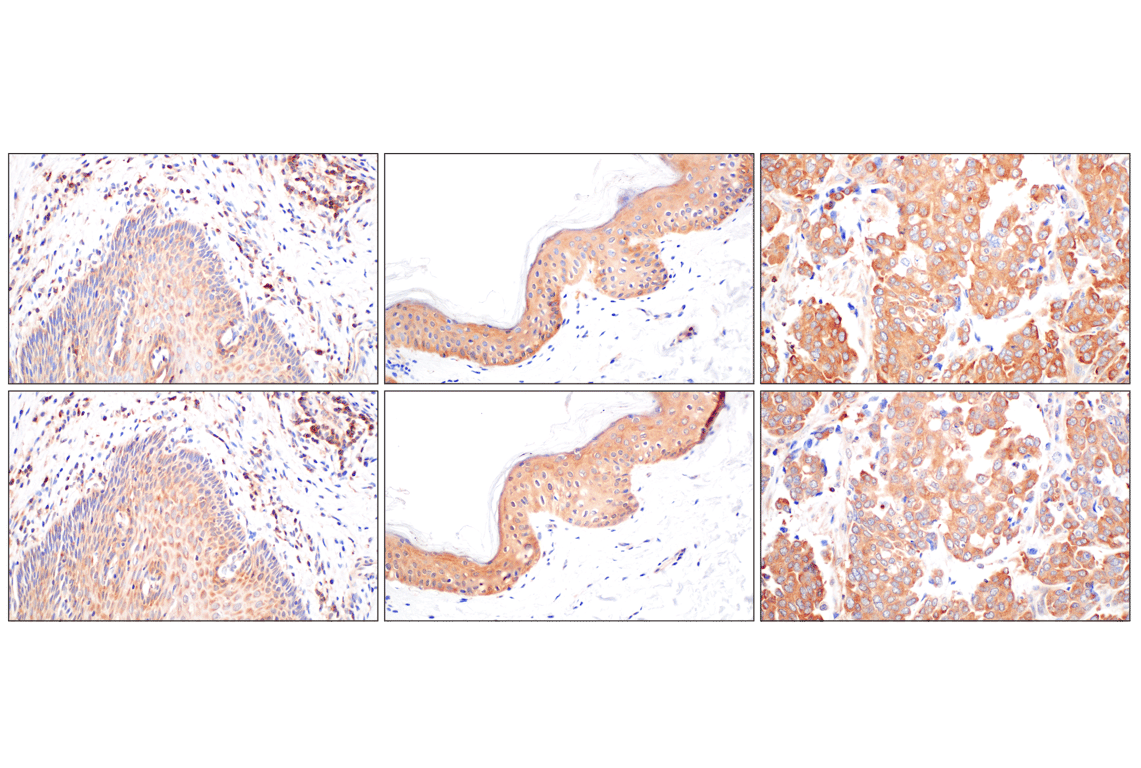
Immunohistochemical analysis of paraffin-embedded normal human esophagus (left), skin (middle), and serous papillary carcinoma of the ovary (right) using WNK1 (F1O3U) Rabbit mAb (top) or a WNK1 Rabbit Antibody (bottom). These two antibodies detect unique, non-overlapping epitopes on human WNK1. The similar staining patterns obtained with both antibodies help to confirm the specificity of the staining.
Immunohistochemistry Image 7: WNK1 (F1O3U) Rabbit Monoclonal Antibody
Orders: 877-616-CELL (2355) [email protected] Support: 877-678-TECH (8324) [email protected] Web: cellsignal.com
For Research Use Only. Not for Use in Diagnostic Procedures.

Revision 3

Cell Signaling Technology Logo
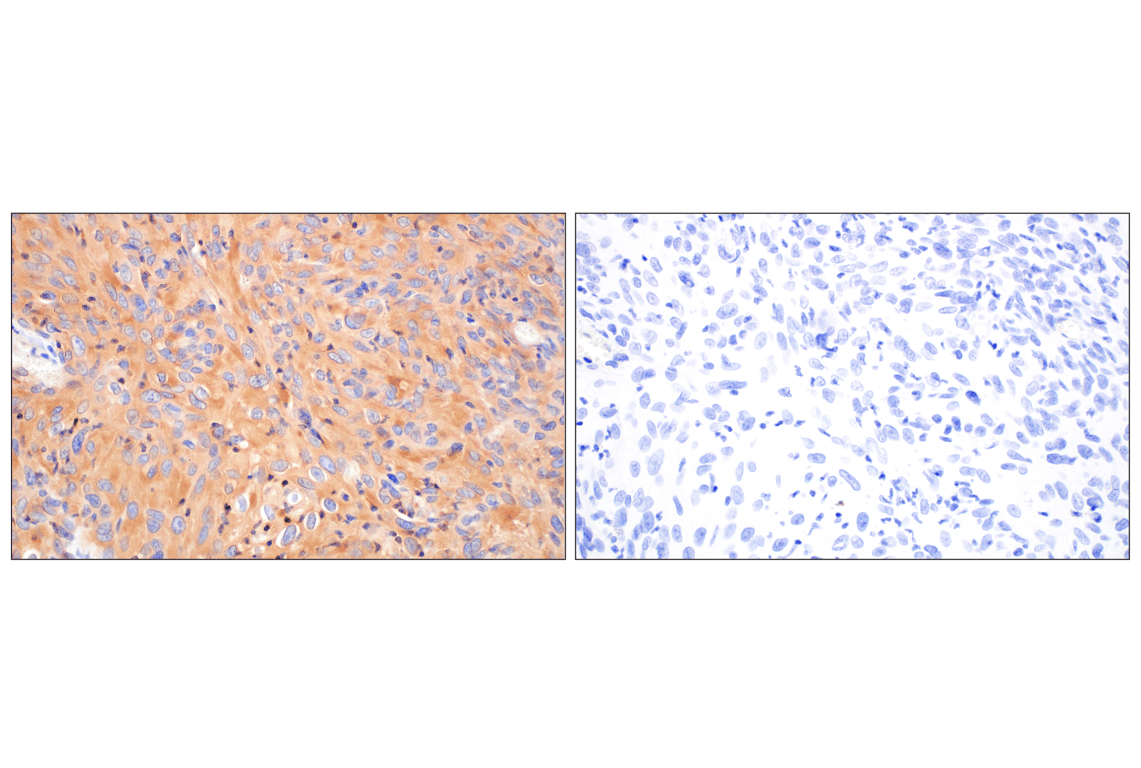
Immunohistochemical analysis of paraffin-embedded human squamous cell carcinoma of the skin using WNK1 (F1O3U) Rabbit mAb (left) compared to concentration-matched Rabbit (DA1E) mAb IgG XP® Isotype Control #3900 (right).
Immunohistochemistry Image 8: WNK1 (F1O3U) Rabbit Monoclonal Antibody
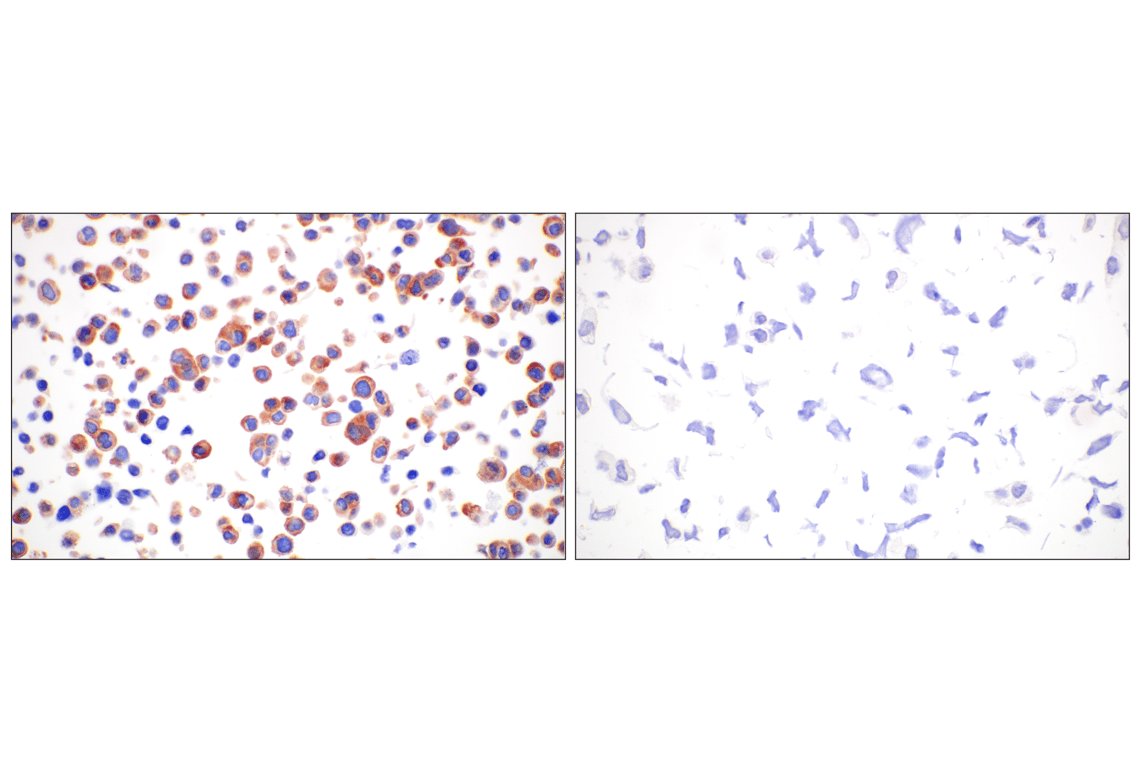
Immunohistochemical analysis of paraffin-embedded HT-29 cell pellet (left, positive) or HEC-108 cell pellet (right, negative) using WNK1 (F1O3U) Rabbit mAb.
Immunohistochemistry Image 9: WNK1 (F1O3U) Rabbit Monoclonal Antibody
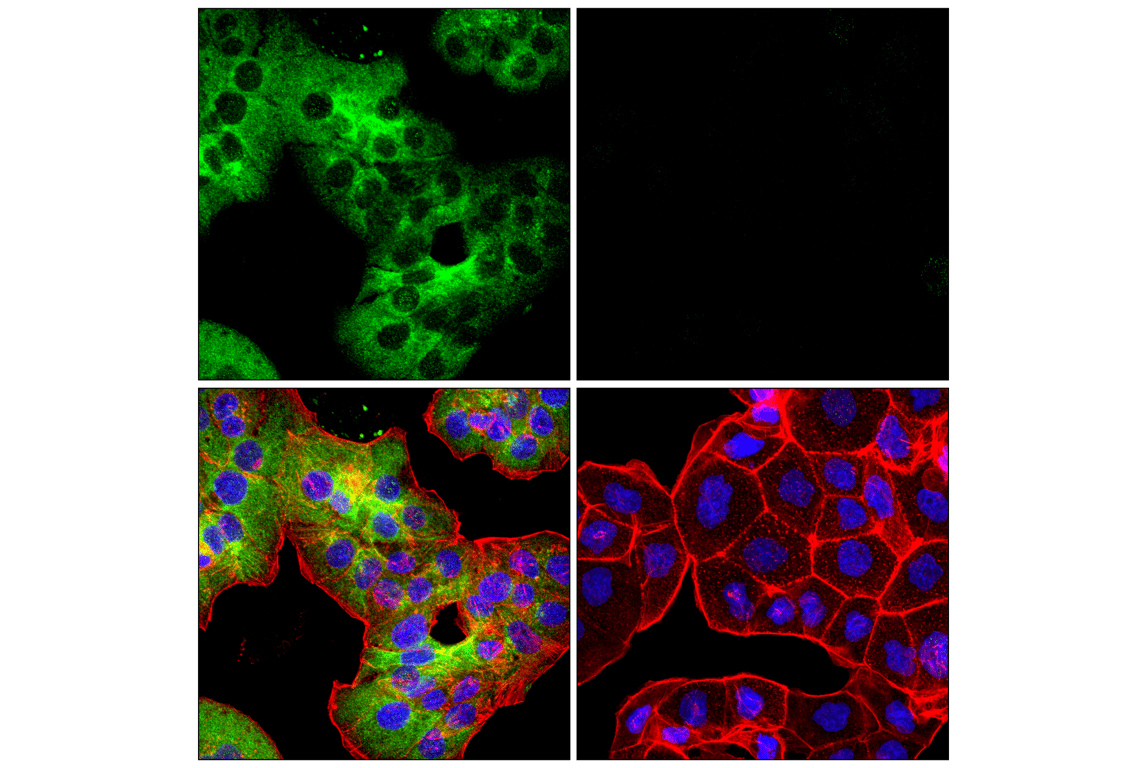
Confocal immunofluorescent analysis of HCC1428 cells (left, positive) and HEC-108 cells (right, negative) using WNK1 (F1O3U) Rabbit mAb (green), DyLight 554 Phalloidin #13054 (red), and DAPI #4083 (blue).
Immunofluorescence Image 1: WNK1 (F1O3U) Rabbit Monoclonal Antibody
Orders: 877-616-CELL (2355) [email protected] Support: 877-678-TECH (8324) [email protected] Web: cellsignal.com
For Research Use Only. Not for Use in Diagnostic Procedures.