Revision 1

#67360

Store at -20C

CST Logo
Orders:

877-616-CELL (2355)

[email protected]

Support:

877-678-TECH (8324)

3 Trask Lane | Danvers | Massachusetts | 01923 | USA

For Research Use Only. Not for Use in Diagnostic Procedures.

Applications:
W, IHC-P

Reactivity:
H

Sensitivity:
Endogenous

MW (kDa):
190

Source/Isotype:
Rabbit IgG

UniProt ID:
#Q9UMD9

Entrez-Gene Id:
1308

Product Usage Information

Application Dilution
Western Blotting 1:1000
Immunohistochemistry (Paraffin) 1:400 - 1:1600

Storage

Supplied in 10 mM sodium HEPES (pH 7.5), 150 mM NaCl, 100 µg/mL BSA, 50% glycerol, and less than 0.02% sodium azide. Store at –20°C. Do not aliquot the antibody.

Specificity/Sensitivity

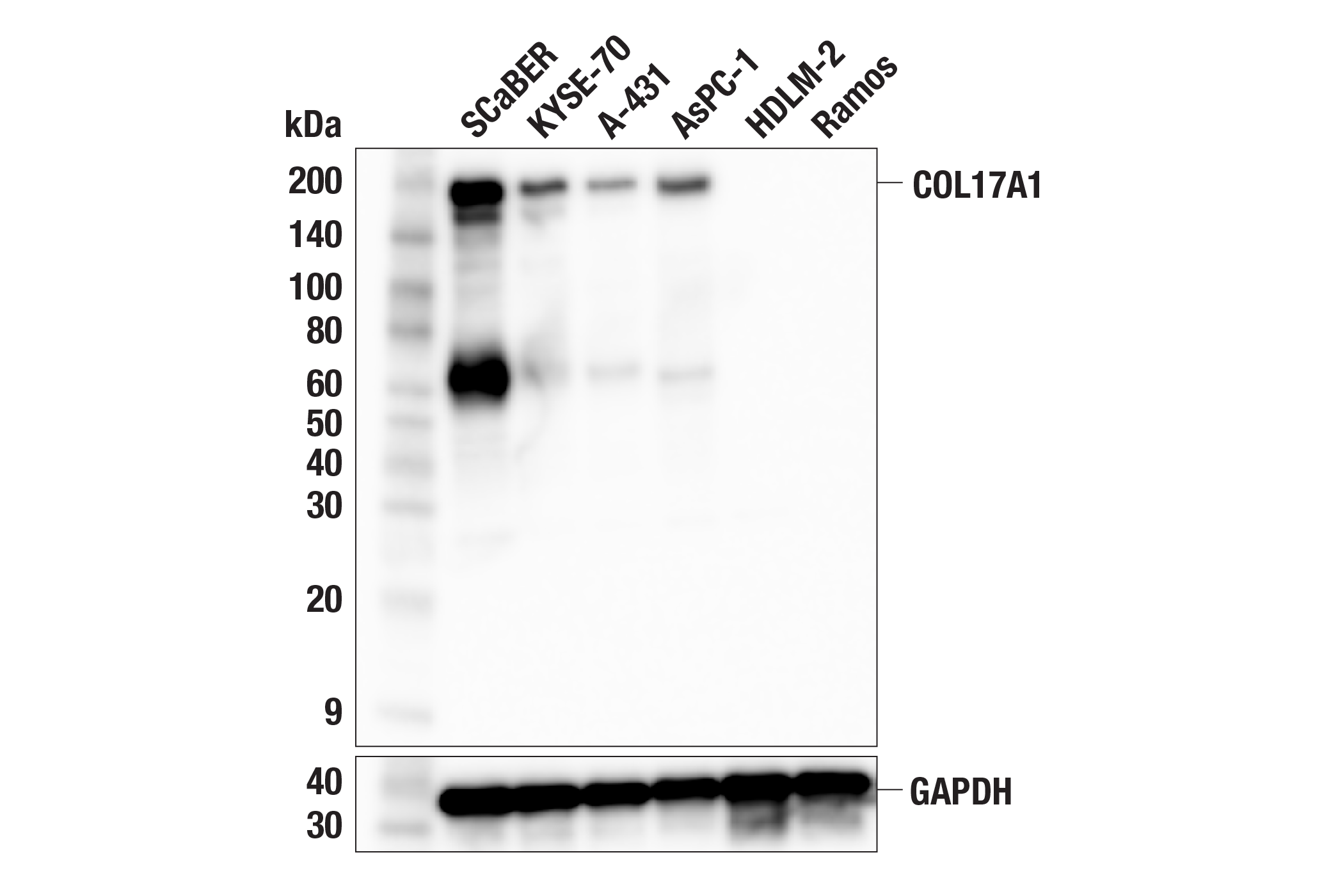
COL17A1 (F5U1Z) Rabbit Monoclonal Antibody recognizes endogenous levels of total COL17A1 protein. This antibody detects a 62 kDa band, likely a processed N-terminal fragment of COL17A1. Non-specific staining was observed in some peripheral nerves, kidney proximal tubules, and small intestine epithelium by immunohistochemistry.

Source / Purification

Monoclonal antibody is produced by immunizing animals with a synthetic peptide corresponding to residues surrounding Thr102 of human COL17A1 protein.

Background

Collagen type XVII alpha 1 chain (COL17A1/BP180) is a collagen family hemidesmosome anchorage molecule of basal keratinocytes that promotes stable epidermal-dermal adhesion and wound healing (1). COL17A1 is critical for maintaining keratocyte and hair follicle stem cells, promoting cell motility and increased self-renewing capability (2-4). The protein functions by organizing actin and keratin filament networks via its interaction with intracellular scaffold protein plectin (PLEC) and integrin β4 in the hemidesmosomes (2,5). High expression of COL17A1 is associated with cervical, colorectal, pancreatic, and lung cancers (6-9). It induces a tumor-favorable microenvironment and promotes invasion and metastasis. Conversely, decreased expression of COL17A1 in breast cancer is associated with increased cancer migration and invasion (10). COL17A1 was found to promote cancer dormancy and chemoresistance in colorectal stem cells (11,12). COL17A1 mutations and autoantibodies against COL17A1 can cause blistering skin diseases due to loss of attachment of the epidermis to the underlying basement membrane (13,14).

Species Reactivity

Species reactivity is determined by testing in at least one approved application (e.g., western blot).

Western Blot Buffer

IMPORTANT: For western blots, incubate membrane with diluted primary antibody in 5% w/v BSA, 1X TBS, 0.1% Tween® 20 at 4°C with gentle shaking, overnight.

Applications Key

W: Western Blotting IHC-P: Immunohistochemistry (Paraffin)

Cross-Reactivity Key

H: Human

Trademarks and Patents

Cell Signaling Technology is a trademark of Cell Signaling Technology, Inc.

All other trademarks are the property of their respective owners. Visit cellsignal.com/trademarks for more information.

Limited Uses

Except as otherwise expressly agreed in a writing signed by a legally authorized representative of CST, the following terms apply to Products provided by CST, its affiliates or its distributors. Any Customer's terms and conditions that are in addition to, or different from, those contained herein, unless separately accepted in writing by a legally authorized representative of CST, are rejected and are of no force or effect.

Products are labeled with For Research Use Only or a similar labeling statement and have not been approved, cleared, or licensed by the FDA or other regulatory foreign or domestic entity, for any purpose. Customer shall not use any Product for any diagnostic or therapeutic purpose, or otherwise in any manner that conflicts with its labeling statement. Products sold or licensed by CST are provided for Customer as the end-user and solely for research and development uses. Any use of Product for diagnostic, prophylactic or therapeutic purposes, or any purchase of Product for resale (alone or as a component) or other commercial purpose, requires a separate license from CST. Customer shall (a) not sell, license, loan, donate or otherwise transfer or make available any Product to any third party, whether alone or in combination with other materials, or use the Products to manufacture any commercial products, (b) not copy, modify, reverse engineer, decompile, disassemble or otherwise attempt to discover the underlying structure or technology of the Products, or use the Products for the purpose of developing any products or services that would compete with CST products or services, (c) not alter or remove from the Products any trademarks, trade names, logos, patent or copyright notices or markings, (d) use the Products solely in accordance with CST Product Terms of Sale and any applicable documentation, and (e) comply with any license, terms of service or similar agreement with respect to any third party products or services used by Customer in connection with the Products.

Orders: 877-616-CELL (2355) [email protected] Support: 877-678-TECH (8324) [email protected] Web: cellsignal.com
For Research Use Only. Not for Use in Diagnostic Procedures.

Revision 1

Cell Signaling Technology Logo
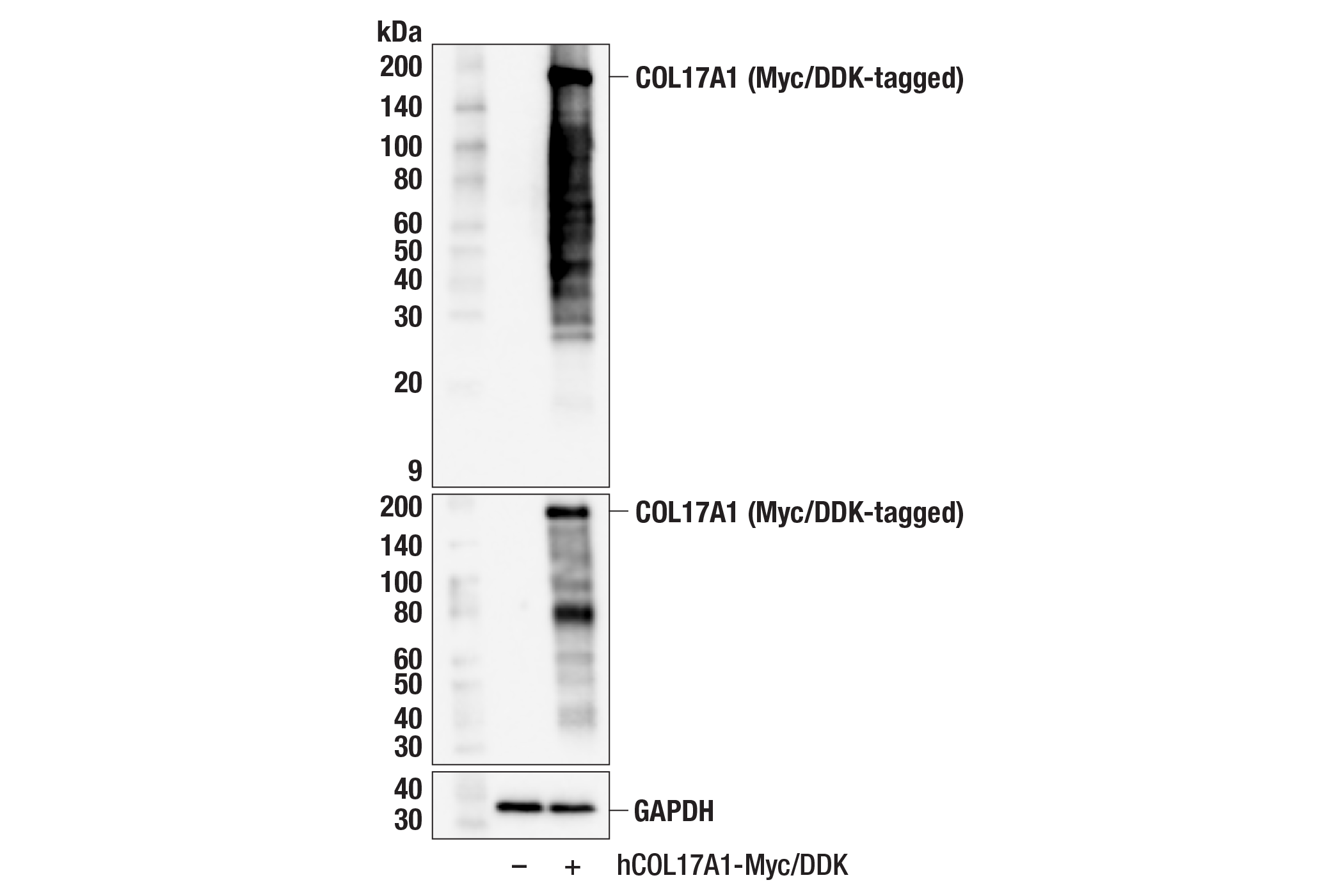
Western blot analysis of extracts from 293T cells, mock transfected (-) or transfected with a construct expressing Myc/DDK-tagged full-length human COL17A1 (hCOL17A1-Myc/DDK; +), using COL17A1 (F5U1Z) Rabbit mAb (upper), Myc-Tag (71D10) Rabbit mAb #2278 (middle), or GAPDH (D16H11) XP® Rabbit mAb #5174 (lower).
Western Blotting Image 1: COL17A1 (F5U1Z) Rabbit Monoclonal Antibody
Western blot analysis of extracts from various cell lines using COL17A1 (F5U1Z) Rabbit mAb (upper) or GAPDH (D16H11) XP® Rabbit mAb #5174 (lower). Negative expression of COL17A1 protein in HDLM-2 and Ramos cells is consistent with the predicted expression pattern.
Western Blotting Image 2: COL17A1 (F5U1Z) Rabbit Monoclonal Antibody
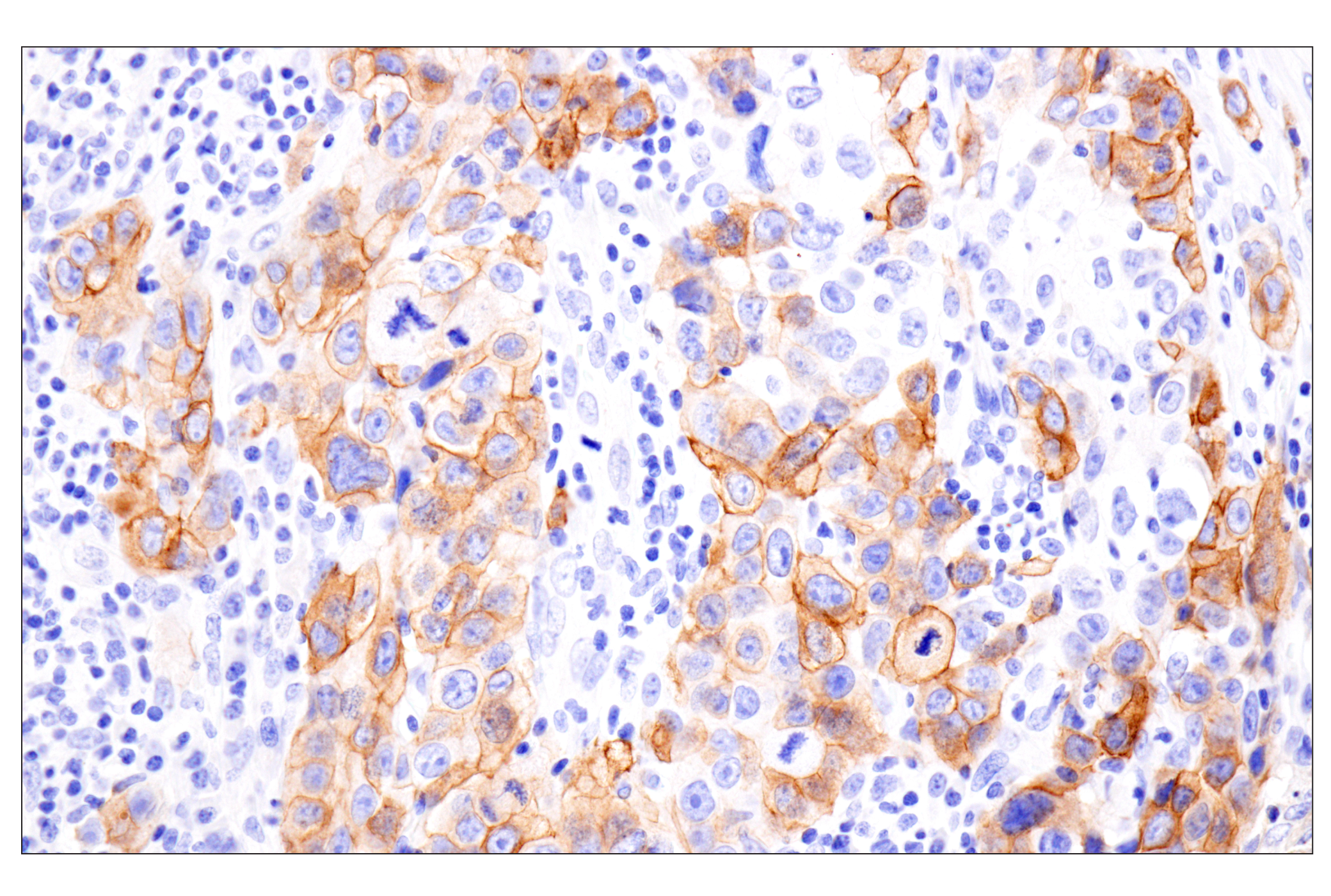
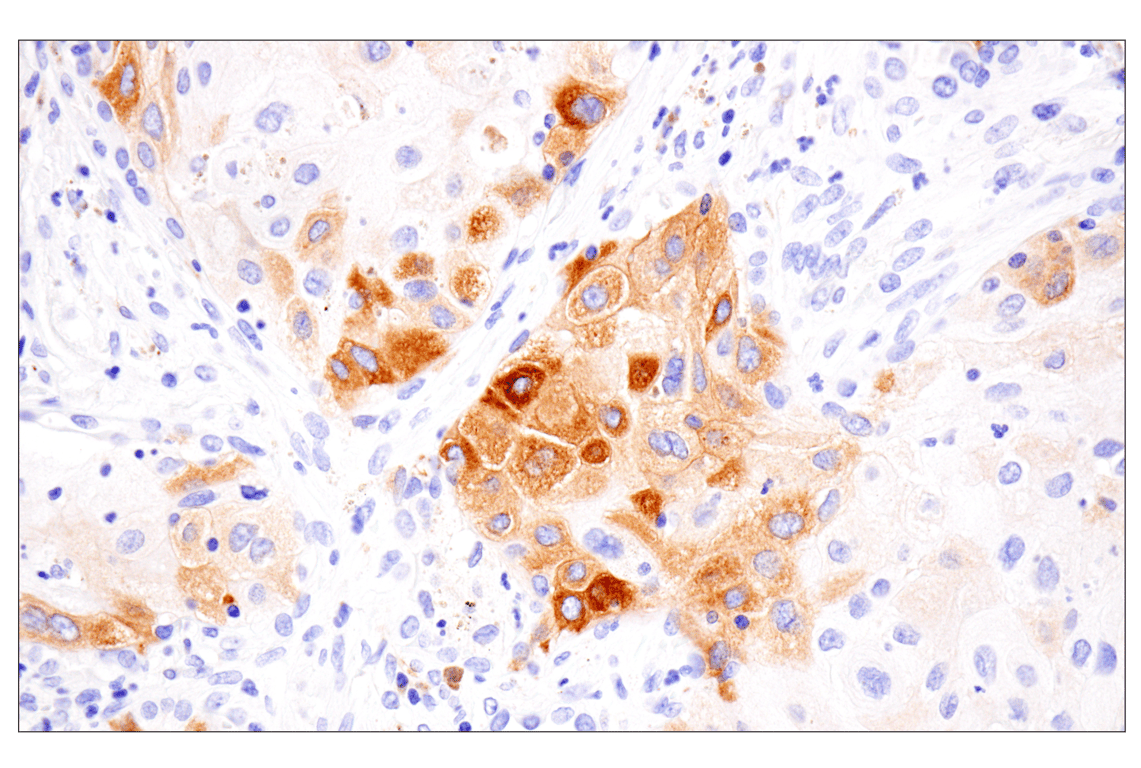
Immunohistochemical analysis of paraffin-embedded human soft tissue squamous cell carcinoma using COL17A1 (F5U1Z) Rabbit mAb.
Immunohistochemistry Image 1: COL17A1 (F5U1Z) Rabbit Monoclonal Antibody
Orders: 877-616-CELL (2355) [email protected] Support: 877-678-TECH (8324) [email protected] Web: cellsignal.com
For Research Use Only. Not for Use in Diagnostic Procedures.

Revision 1

Cell Signaling Technology Logo
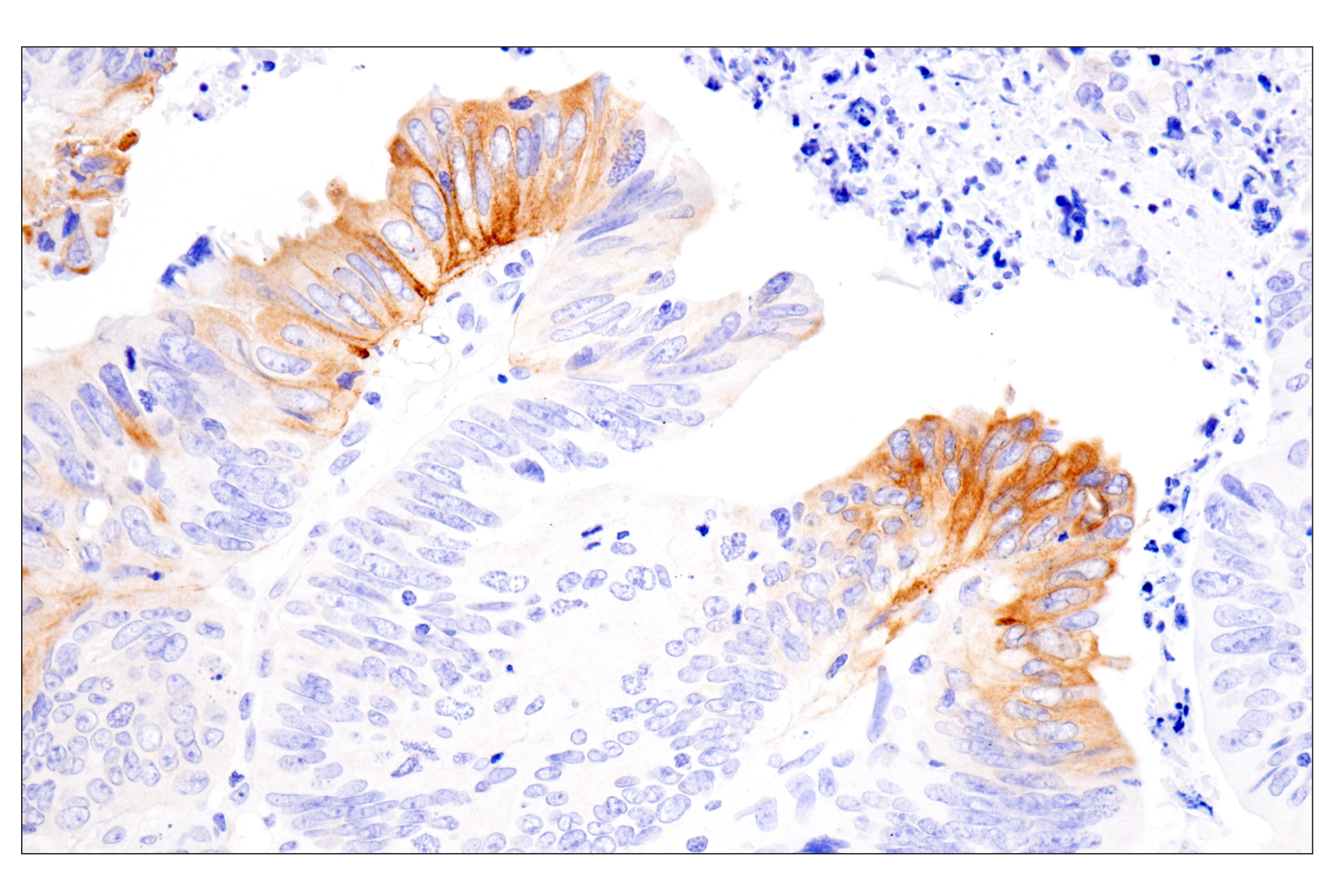
Immunohistochemical analysis of paraffin-embedded human colon adenocarcinoma using COL17A1 (F5U1Z) Rabbit mAb.
Immunohistochemistry Image 2: COL17A1 (F5U1Z) Rabbit Monoclonal Antibody
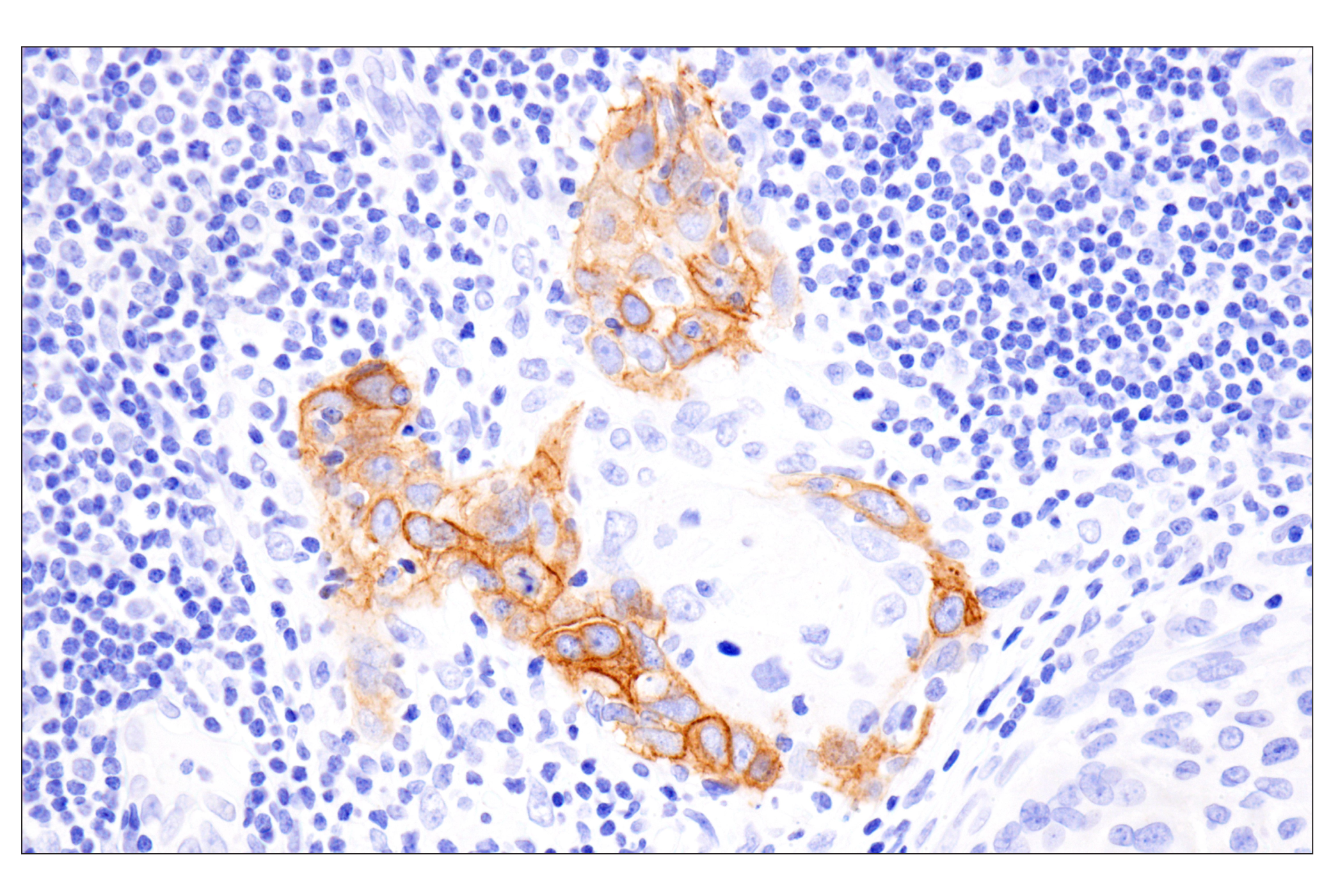
Immunohistochemical analysis of paraffin-embedded human squamous cell lung carcinoma using COL17A1 (F5U1Z) Rabbit mAb.
Immunohistochemistry Image 3: COL17A1 (F5U1Z) Rabbit Monoclonal Antibody
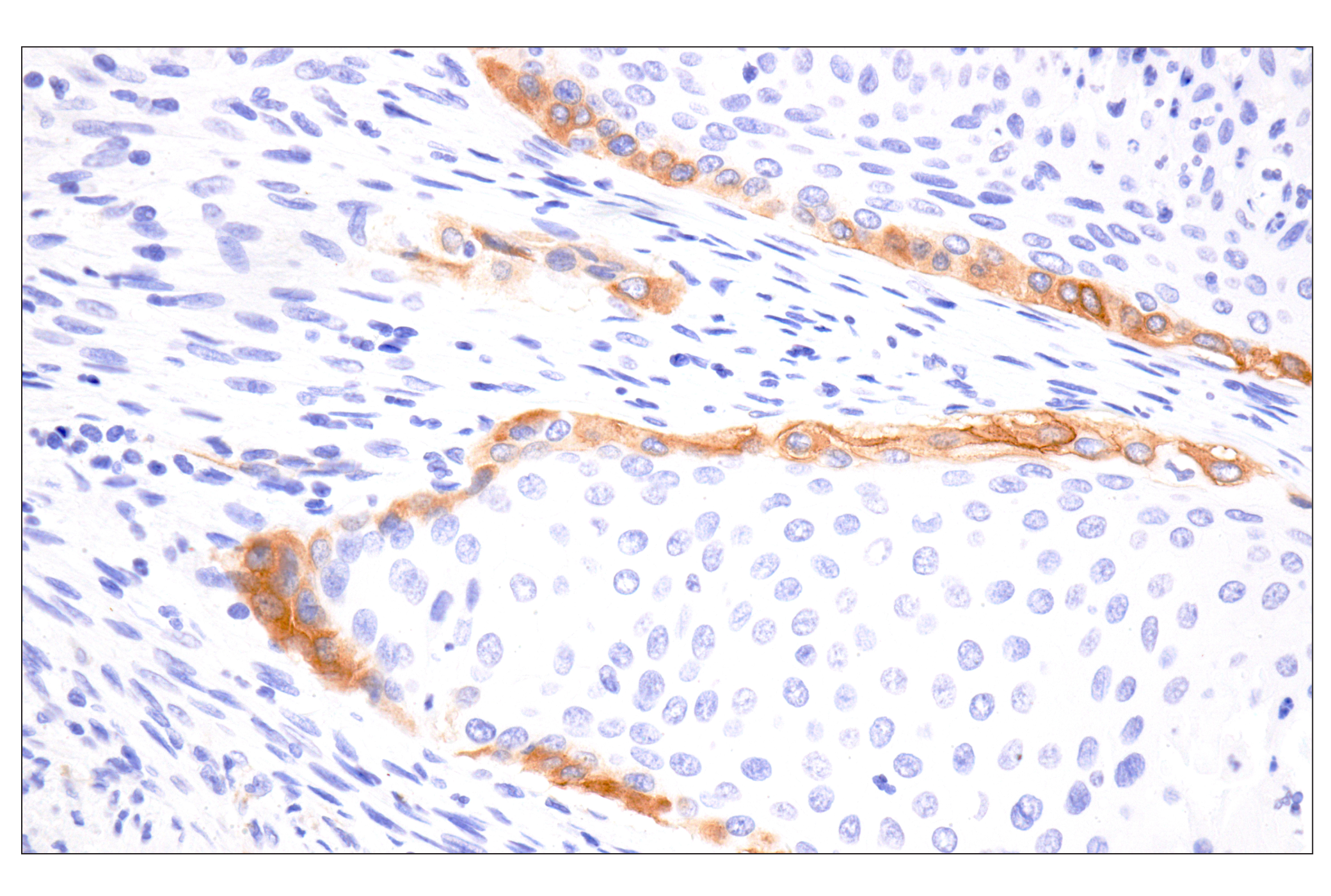
Immunohistochemical analysis of paraffin-embedded human urothelial carcinoma using COL17A1 (F5U1Z) Rabbit mAb.
Immunohistochemistry Image 4: COL17A1 (F5U1Z) Rabbit Monoclonal Antibody
Orders: 877-616-CELL (2355) [email protected] Support: 877-678-TECH (8324) [email protected] Web: cellsignal.com
For Research Use Only. Not for Use in Diagnostic Procedures.

Revision 1

Cell Signaling Technology Logo
Immunohistochemical analysis of paraffin-embedded human squamous cell carcinoma of the parotid gland using COL17A1 (F5U1Z) Rabbit mAb.
Immunohistochemistry Image 5: COL17A1 (F5U1Z) Rabbit Monoclonal Antibody
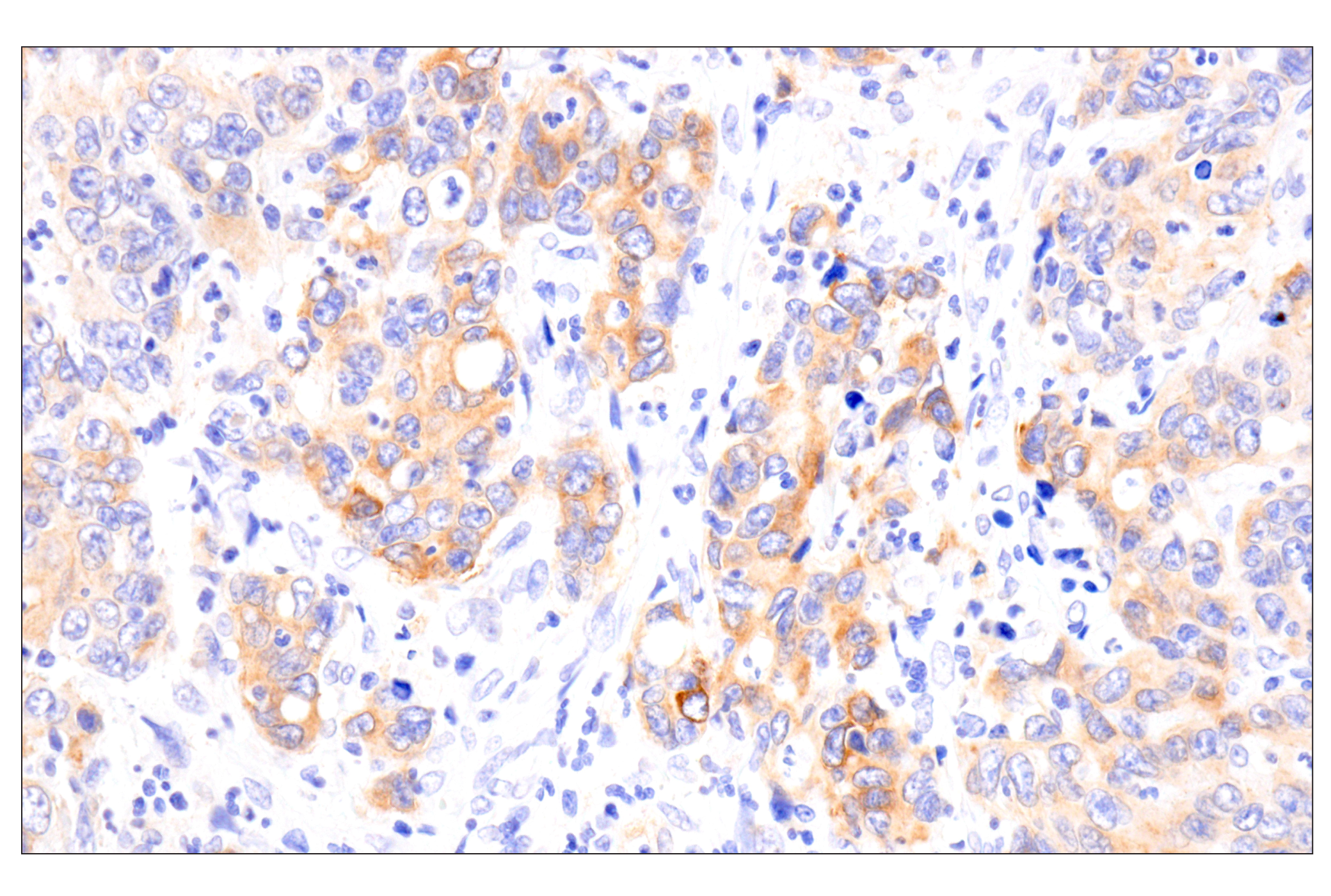
Immunohistochemical analysis of paraffin-embedded human gastric adenocarcinoma using COL17A1 (F5U1Z) Rabbit mAb.
Immunohistochemistry Image 6: COL17A1 (F5U1Z) Rabbit Monoclonal Antibody
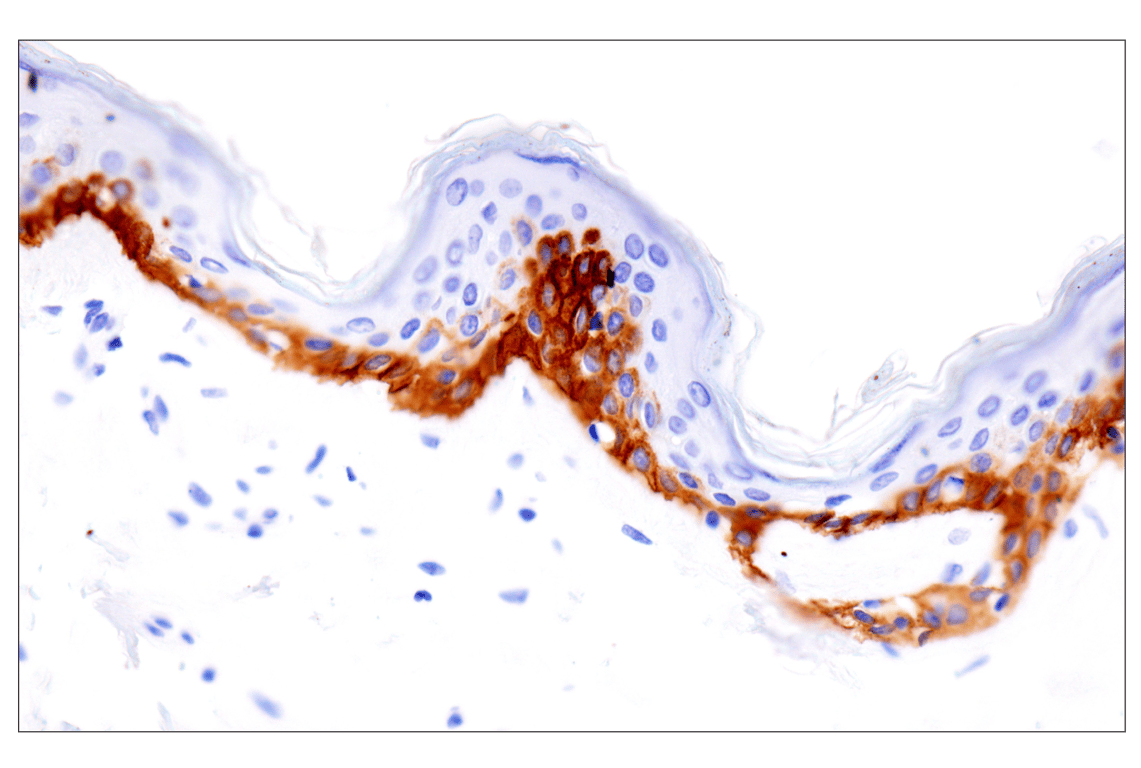
Immunohistochemical analysis of paraffin-embedded normal human skin using COL17A1 (F5U1Z) Rabbit mAb.
Immunohistochemistry Image 7: COL17A1 (F5U1Z) Rabbit Monoclonal Antibody
Orders: 877-616-CELL (2355) [email protected] Support: 877-678-TECH (8324) [email protected] Web: cellsignal.com
For Research Use Only. Not for Use in Diagnostic Procedures.

Revision 1

Cell Signaling Technology Logo
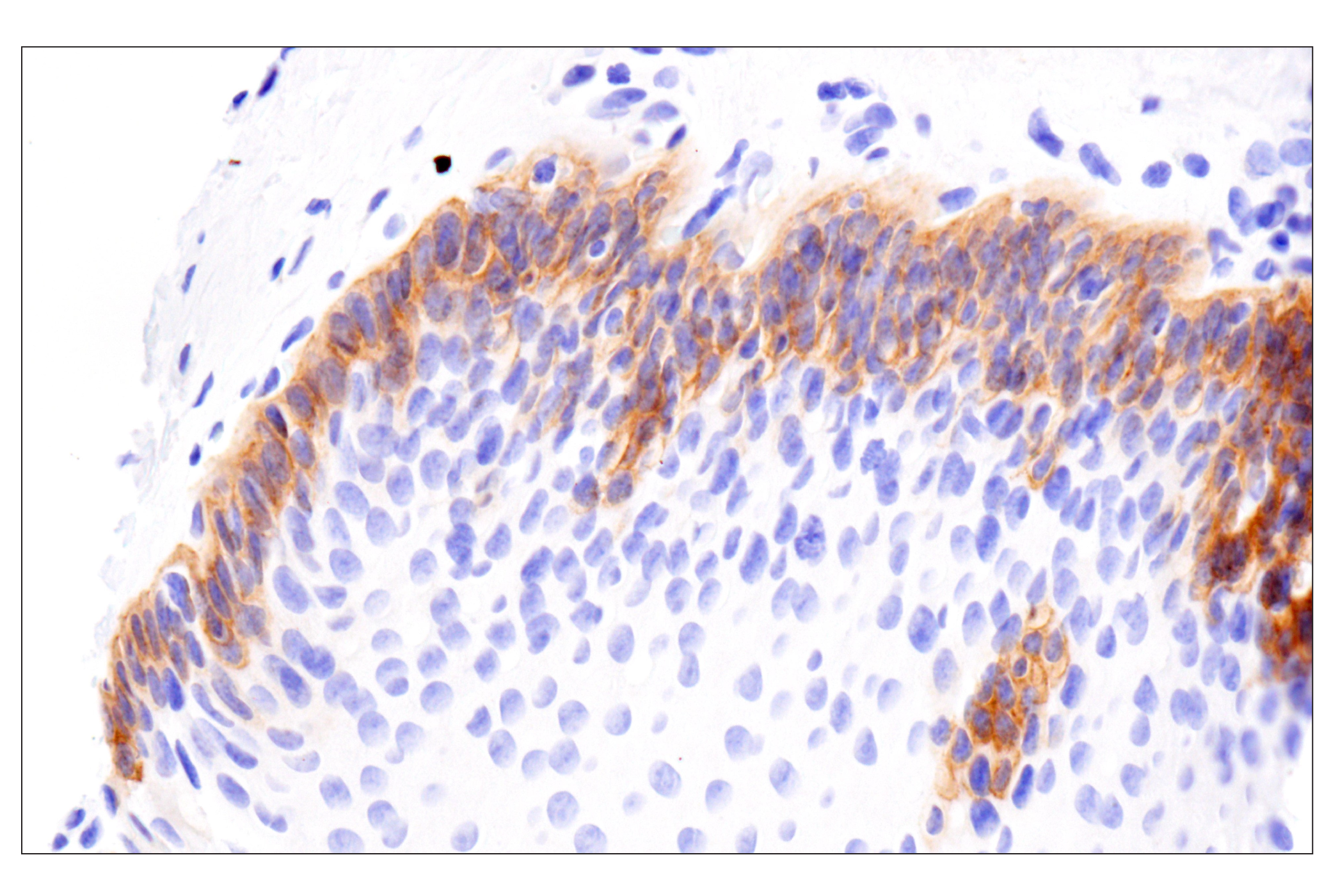
Immunohistochemical analysis of paraffin-embedded normal human esophagus using COL17A1 (F5U1Z) Rabbit mAb.
Immunohistochemistry Image 8: COL17A1 (F5U1Z) Rabbit Monoclonal Antibody
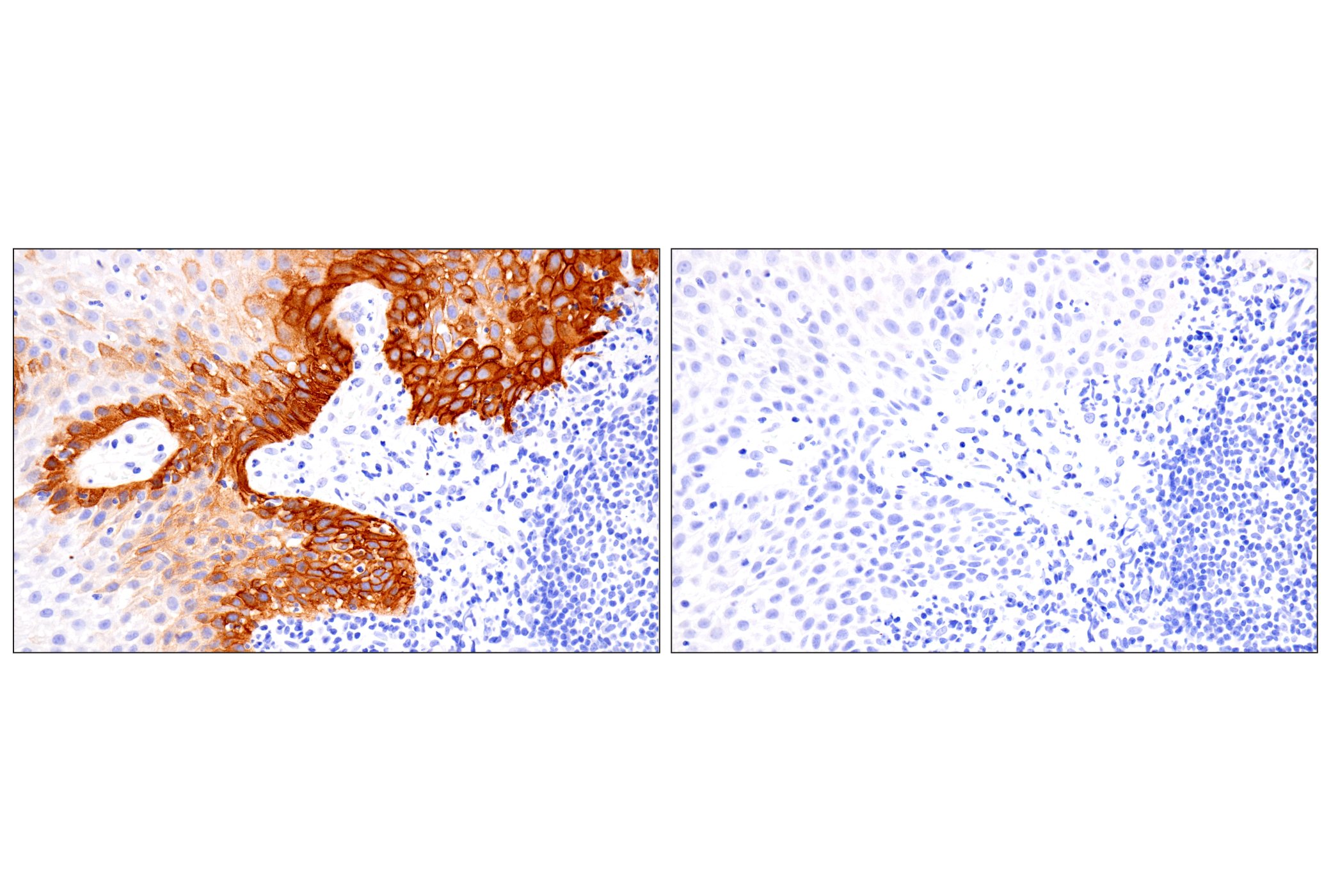
Immunohistochemical analysis of paraffin-embedded human tonsil using COL17A1 (F5U1Z) Rabbit mAb (left) compared to concentration-matched Rabbit (DA1E) mAb IgG XP® Isotype Control #3900 (right).
Immunohistochemistry Image 9: COL17A1 (F5U1Z) Rabbit Monoclonal Antibody
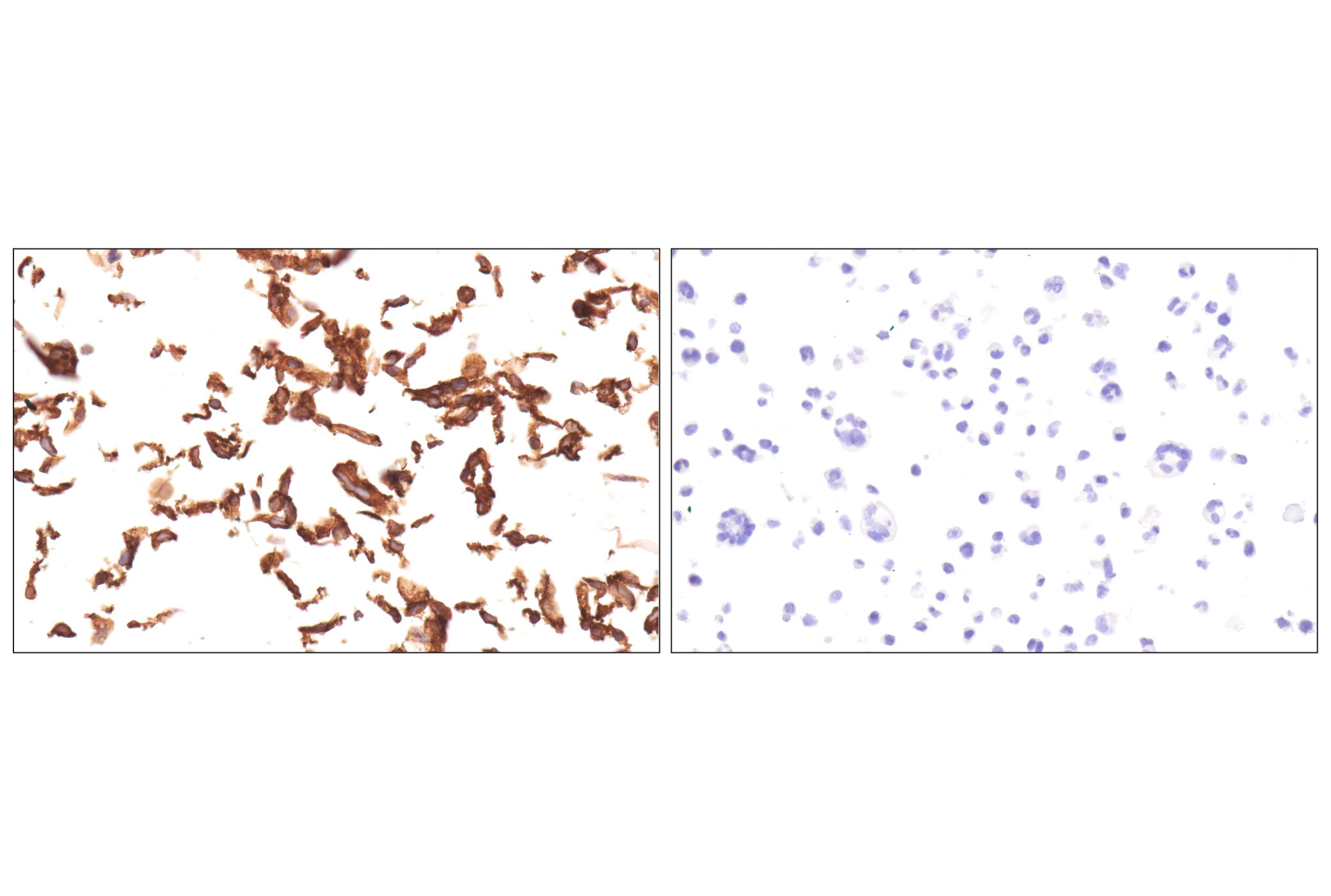
Immunohistochemical analysis of paraffin-embedded SCaBER cell pellet (left, positive) or HDLM-2 cell pellet (right, negative) using COL17A1 (F5U1Z) Rabbit mAb.
Immunohistochemistry Image 10: COL17A1 (F5U1Z) Rabbit Monoclonal Antibody
Orders: 877-616-CELL (2355) [email protected] Support: 877-678-TECH (8324) [email protected] Web: cellsignal.com
For Research Use Only. Not for Use in Diagnostic Procedures.