Revision 1

#42642

Store at -20C

CST Logo
Orders:

877-616-CELL (2355)

[email protected]

Support:

877-678-TECH (8324)

3 Trask Lane | Danvers | Massachusetts | 01923 | USA

For Research Use Only. Not for Use in Diagnostic Procedures.

Product Includes Product # Quantity Mol. Wt Isotype/Source
ACP/NDUFAB1 (E2V9B) Rabbit Monoclonal Antibody7181420 µl9 kDaRabbit IgG
NDUFS1 (E4K3E) Rabbit Monoclonal Antibody7026420 µl75 kDaRabbit IgG
UQCRFS1/RISP Antibody9523120 µl23 kDaRabbit
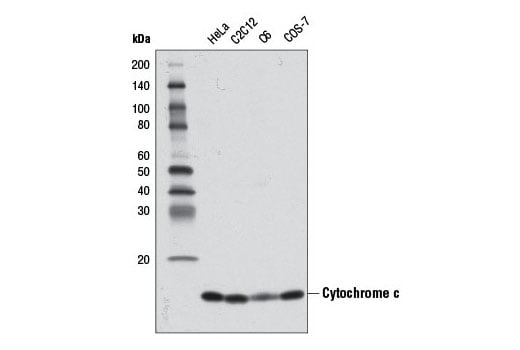
Cytochrome c (D18C7) Rabbit Monoclonal Antibody1194020 µl14 kDaRabbit IgG
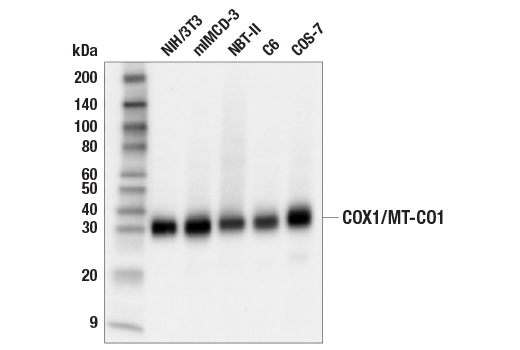
COX1/MT-CO1 (E2I2R) Rabbit Monoclonal Antibody5515920 µl32 kDaRabbit IgG
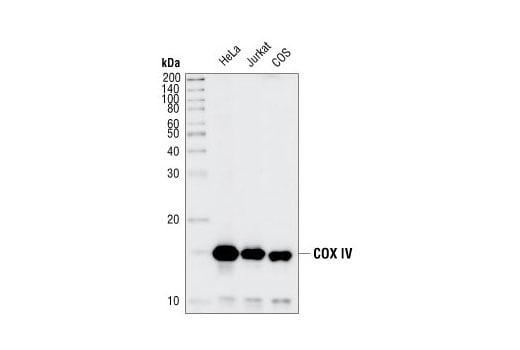
COX IV (3E11) Rabbit Monoclonal Antibody485020 µl17 kDaRabbit IgG
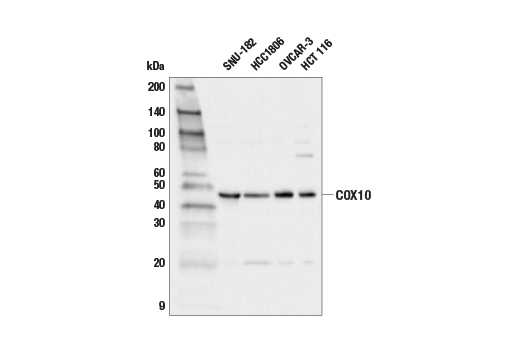
COX10 (E6K4D) Rabbit Monoclonal Antibody2474420 µl49 kDaRabbit IgG
Anti-rabbit IgG, HRP-linked Antibody7074100 µlGoat

Please visit cellsignal.com for individual component applications, species cross-reactivity, dilutions, protocols, and additional product information.

Description

The Electron Transport Chain (Complex I, III, IV) Antibody Sampler Kit provides an economical means of detecting select components involved in the electron transport chain (ETC) (Complex I, III, IV). The kit includes enough antibodies to perform two western blot experiments with each primary antibody.

Storage

Supplied in 10 mM sodium HEPES (pH 7.5), 150 mM NaCl, 100 µg/mL BSA, 50% glycerol, and less than 0.02% sodium azide. Store at –20°C. Do not aliquot the antibodies.

Background

Mitochondrial acyl carrier protein (ACP) is an essential component in fatty acid biosynthesis in mitochondria. It is also known as NADH-ubiquinone oxidoreductase subunit AB1 (NDUFAB1), a Complex I subunit in the electron transport chain (ETC). NDUFAB1 regulates energy and reactive oxygen species (ROS) metabolism in mitochondria by coordinating the assembly of ETC Complexes I, II, and III, and supercomplexes (1). NDUFS1 (NADH dehydrogenase Fe-S protein 1) is a nuclear-encoded structural subunit of NADH: ubiquinone oxidoreductase (Complex I) in the mitochondrial ETC (2). Mutations in NDUFS1 and other Complex I subunits leading to mitochondrial dysfunction are associated with a number of neurological disorders (3-6). Ubiquinol-cytochrome c reductase iron-sulfur subunit (UQCRFS1), also known as Rieske iron-sulfur protein (RISP), is a component of Complex III in the mitochondrial ETC. UQCRFS1/RISP and two other subunits, cytochrome b (MT-CYB) and cytochrome c1 (CYC1), are essential for the catalytic activity of Complex III (7). Cytochrome c is a well conserved electron transport protein and is part of the respiratory chain localized to mitochondrial intermembrane space (8). Upon apoptotic stimulation, cytochrome c released from mitochondria associates with procaspase-9 (47 kDa)/Apaf-1. This complex processes caspase-9 from inactive proenzyme to its active form (9). This event further triggers caspase-3 activation and eventually leads to apoptosis (10). The mitochondrial ETC comprises multiple protein complexes, including cytochrome c oxidase. Cytochrome c oxidase catalyzes the reduction of oxygen to water. This process is coupled with pumping protons from the mitochondrial matrix into mitochondrial intermembrane space, contributing to the proton gradient used for ATP synthesis (11). Cytochrome c oxidase consists of 3 mitochondrial DNA-encoded subunits (COX1/MT-CO1, COX2/MT-CO2, and COX3/MT-CO3) and multiple nuclear DNA-encoded subunits (12). Research studies show that the mRNAs of the mitochondrially encoded oxidative phosphorylation subunits, including COX1/MT-CO1, decline significantly during aging (13). Cytochrome c oxidase (COX, also known as Complex IV) is a hetero-oligomeric enzyme consisting of 13 subunits localized to the inner mitochondrial membrane (14-16). It is the terminal enzyme complex in the respiratory chain, catalyzing the reduction of molecular oxygen to water coupled to the translocation of protons across the mitochondrial inner membrane to drive ATP synthesis. The 3 largest subunits forming the catalytic core are encoded by mitochondrial DNA, while the other smaller subunits, including COX IV, are nuclear-encoded. Research studies have shown that deficiency in COX activity correlates with a number of human diseases (17). COX10 is an assembly factor for cytochrome c oxidase in the mitochondrial ETC (18,19). Studies show that, when the gene encoding the β2-adrenergic receptor (Adrb2) is deleted, increased oxidative phosphorylation in endothelial cells inhibits angiogenesis. Deletion of Cox10 prevents the metabolic switch to oxidative phosphorylation in endothelial cells deleted of Adrb2, causing angiogenesis and cancer progression (19). In addition, COX10 contributes to T cell quiescence exit and is critical for T cell activation (20).

Trademarks and Patents

Cell Signaling Technology is a trademark of Cell Signaling Technology, Inc.

All other trademarks are the property of their respective owners. Visit cellsignal.com/trademarks for more information.

Limited Uses

Except as otherwise expressly agreed in a writing signed by a legally authorized representative of CST, the following terms apply to Products provided by CST, its affiliates or its distributors. Any Customer's terms and conditions that are in addition to, or different from, those contained herein, unless separately accepted in writing by a legally authorized representative of CST, are rejected and are of no force or effect.

Products are labeled with For Research Use Only or a similar labeling statement and have not been approved, cleared, or licensed by the FDA or other regulatory foreign or domestic entity, for any purpose. Customer shall not use any Product for any diagnostic or therapeutic purpose, or otherwise in any manner that conflicts with its labeling statement. Products sold or licensed by CST are provided for Customer as the end-user and solely for research and development uses. Any use of Product for diagnostic, prophylactic or therapeutic purposes, or any purchase of Product for resale (alone or as a component) or other commercial purpose, requires a separate license from CST. Customer shall (a) not sell, license, loan, donate or otherwise transfer or make available any Product to any third party, whether alone or in combination with other materials, or use the Products to manufacture any commercial products, (b) not copy, modify, reverse engineer, decompile, disassemble or otherwise attempt to discover the underlying structure or technology of the Products, or use the Products for the purpose of developing any products or services that would compete with CST products or services, (c) not alter or remove from the Products any trademarks, trade names, logos, patent or copyright notices or markings, (d) use the Products solely in accordance with CST Product Terms of Sale and any applicable documentation, and (e) comply with any license, terms of service or similar agreement with respect to any third party products or services used by Customer in connection with the Products.

Orders: 877-616-CELL (2355) [email protected] Support: 877-678-TECH (8324) [email protected] Web: cellsignal.com
For Research Use Only. Not for Use in Diagnostic Procedures.

Revision 1

Cell Signaling Technology Logo
Western blot analysis of extracts from various cell lines using Cytochrome c (D18C7) Rabbit mAb.
undefined Image 1: Electron Transport Chain (Complex I, III, IV) Antibody Sampler Kit
Western blot analysis of extracts from various cell lines using COX10 (E6K4D) Rabbit mAb.
undefined Image 2: Electron Transport Chain (Complex I, III, IV) Antibody Sampler Kit
Western blot analysis of extracts from HeLa, Jurkat and COS cell lines, using COX IV (3E11) Rabbit mAb.
undefined Image 3: Electron Transport Chain (Complex I, III, IV) Antibody Sampler Kit
Orders: 877-616-CELL (2355) [email protected] Support: 877-678-TECH (8324) [email protected] Web: cellsignal.com
For Research Use Only. Not for Use in Diagnostic Procedures.

Revision 1

Cell Signaling Technology Logo
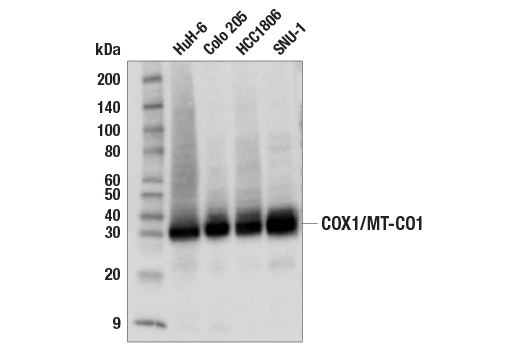
Western blot analysis of extracts from various cell lines using COX1/MT-CO1 (E2I2R) Rabbit mAb.
undefined Image 4: Electron Transport Chain (Complex I, III, IV) Antibody Sampler Kit
Western blot analysis of extracts from various cell lines using COX1/MT-CO1 (E2I2R) Rabbit mAb.
undefined Image 5: Electron Transport Chain (Complex I, III, IV) Antibody Sampler Kit
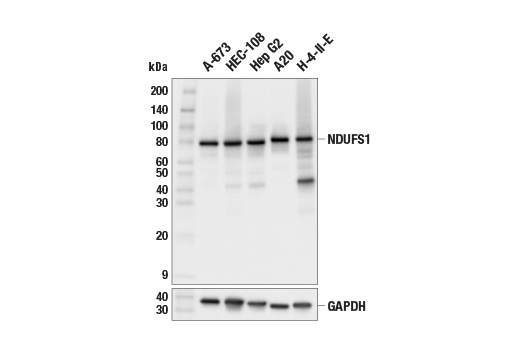
Western blot analysis of extracts from various cell lines using NDUFS1 (E4K3E) Rabbit mAb (upper) or GAPDH (D16H11) XP® Rabbit mAb #5174 (lower).
undefined Image 6: Electron Transport Chain (Complex I, III, IV) Antibody Sampler Kit
Orders: 877-616-CELL (2355) [email protected] Support: 877-678-TECH (8324) [email protected] Web: cellsignal.com
For Research Use Only. Not for Use in Diagnostic Procedures.

Revision 1

Cell Signaling Technology Logo
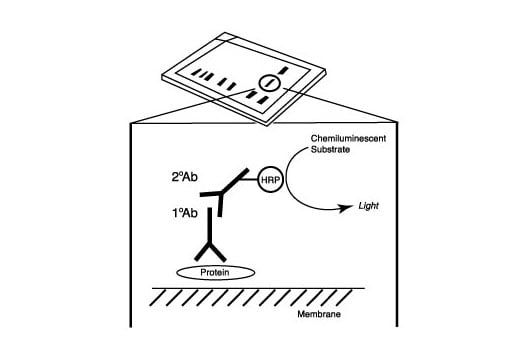
After the primary antibody is bound to the target protein, a complex with HRP-linked secondary antibody is formed. The LumiGLO® is added and emits light during enzyme catalyzed decomposition.
undefined Image 7: Electron Transport Chain (Complex I, III, IV) Antibody Sampler Kit
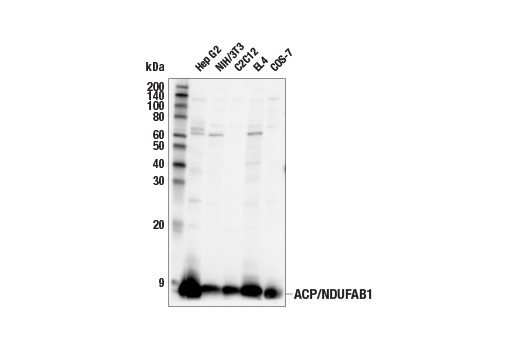
Western blot analysis of extracts from various cell lines using ACP/NDUFAB1 (E2V9B) Rabbit mAb.
undefined Image 8: Electron Transport Chain (Complex I, III, IV) Antibody Sampler Kit
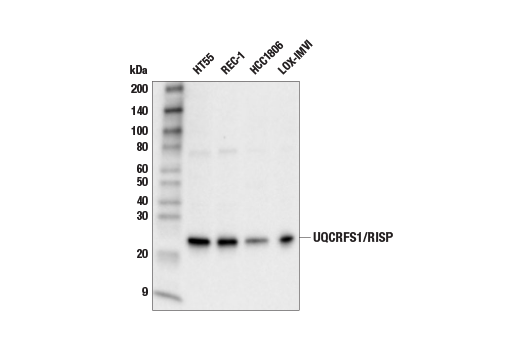
Western blot analysis of extracts from various cell lines using UQCRFS1/RISP Antibody.
undefined Image 9: Electron Transport Chain (Complex I, III, IV) Antibody Sampler Kit
Orders: 877-616-CELL (2355) [email protected] Support: 877-678-TECH (8324) [email protected] Web: cellsignal.com
For Research Use Only. Not for Use in Diagnostic Procedures.

Revision 1

Cell Signaling Technology Logo
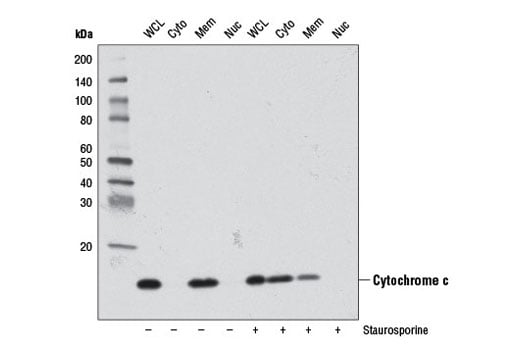
Western blot analysis of extracts from HeLa cells, untreated (-) or treated with Staurosporine #9953 (1 μM, 3 hr; +). Cells were fractionated into whole cell lysate (WCL), cytoplasm (Cyto), membrane (Mem), and cytoskeletal/nucleus (Nuc). Membrane fraction includes mitochondria.
undefined Image 10: Electron Transport Chain (Complex I, III, IV) Antibody Sampler Kit
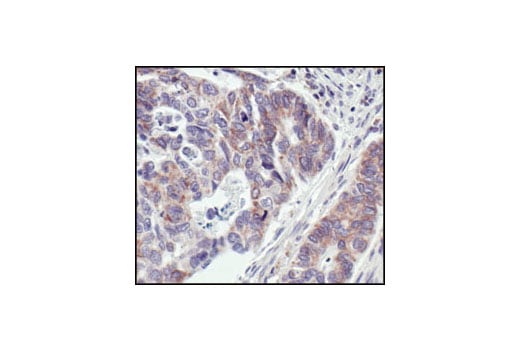
Immunohistochemical analysis of paraffin-embedded human colon carcinoma, showing staining of the mitochondria, using COX IV (3E11) Rabbit mAb.
undefined Image 11: Electron Transport Chain (Complex I, III, IV) Antibody Sampler Kit
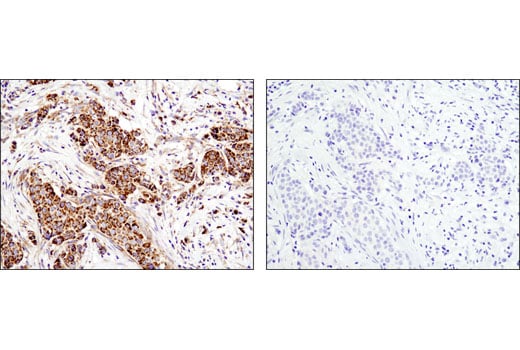
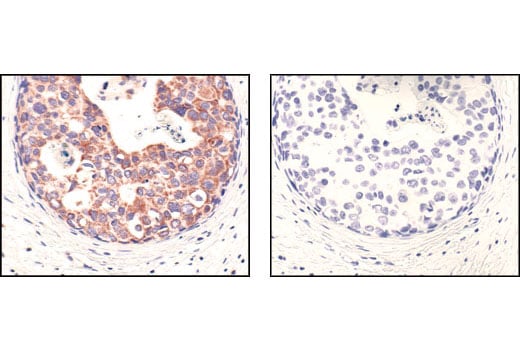
Immunohistochemical analysis of paraffin-embedded human breast carcinoma using Cytochrome c (D18C7) Rabbit mAb in the presence of control peptide (left) or antigen-specific peptide (right).
undefined Image 12: Electron Transport Chain (Complex I, III, IV) Antibody Sampler Kit
Orders: 877-616-CELL (2355) [email protected] Support: 877-678-TECH (8324) [email protected] Web: cellsignal.com
For Research Use Only. Not for Use in Diagnostic Procedures.

Revision 1

Cell Signaling Technology Logo
Immunohistochemical analysis of paraffin-embedded human breast carcinoma, using COX IV (3E11) Rabbit mAb in the presence of control peptide (left) or Cox IV Blocking Peptide #1034 (right).
undefined Image 13: Electron Transport Chain (Complex I, III, IV) Antibody Sampler Kit
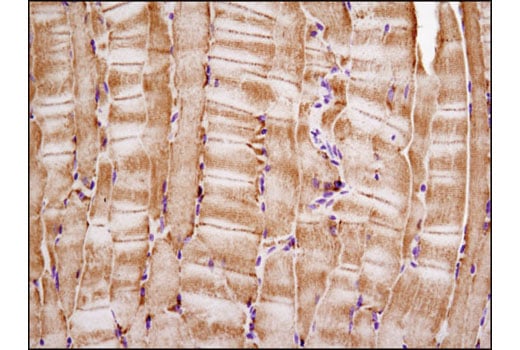
Immunohistochemical analysis of paraffin-embedded mouse skeletal muscle using Cytochrome c (D18C7) Rabbit mAb.
undefined Image 14: Electron Transport Chain (Complex I, III, IV) Antibody Sampler Kit
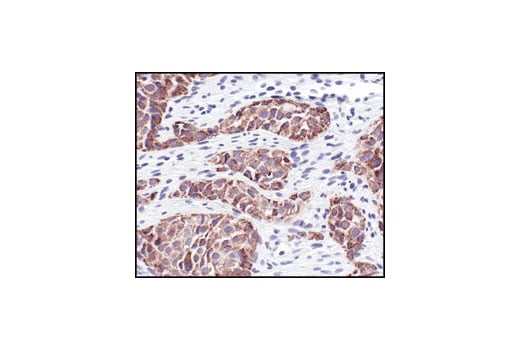
Immunohistochemical analysis of paraffin-embedded H1650 xenograft, using COX IV Rabbit mAb. Note specific staining of human cancer cells.
undefined Image 15: Electron Transport Chain (Complex I, III, IV) Antibody Sampler Kit
Orders: 877-616-CELL (2355) [email protected] Support: 877-678-TECH (8324) [email protected] Web: cellsignal.com
For Research Use Only. Not for Use in Diagnostic Procedures.

Revision 1

Cell Signaling Technology Logo
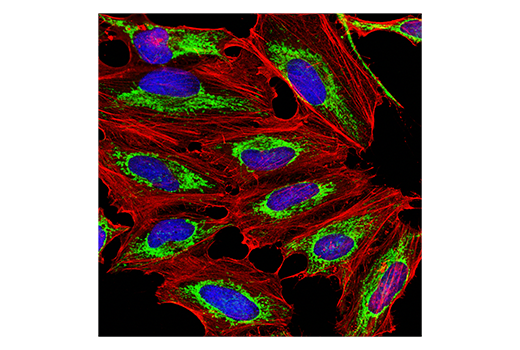
Confocal immunofluorescent analysis of HeLa cells labeled with COX IV (3E11) Rabbit mAb (green) and β-Actin (8H10D10) Mouse mAb #3700 (red). Samples were mounted in ProLong® Gold Antifade Reagent with DAPI #8961 (blue).
undefined Image 16: Electron Transport Chain (Complex I, III, IV) Antibody Sampler Kit
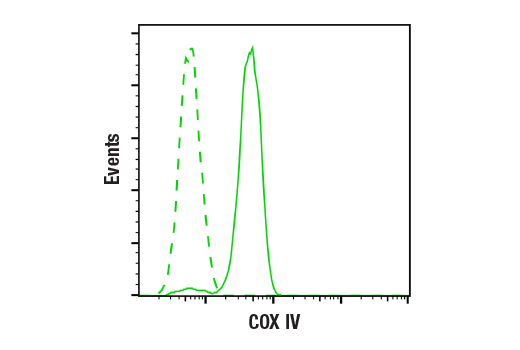
Flow cytometric analysis of HeLa cells using COX IV (3E11) Rabbit mAb (solid line) compared to concentration-matched Rabbit (DA1E) mAb IgG XP® Isotype Control #3900 (dashed line). Anti-rabbit IgG (H+L), F(ab')₂ Fragment (Alexa Fluor® 488 Conjugate) #4412 was used as a secondary antibody.
undefined Image 17: Electron Transport Chain (Complex I, III, IV) Antibody Sampler Kit
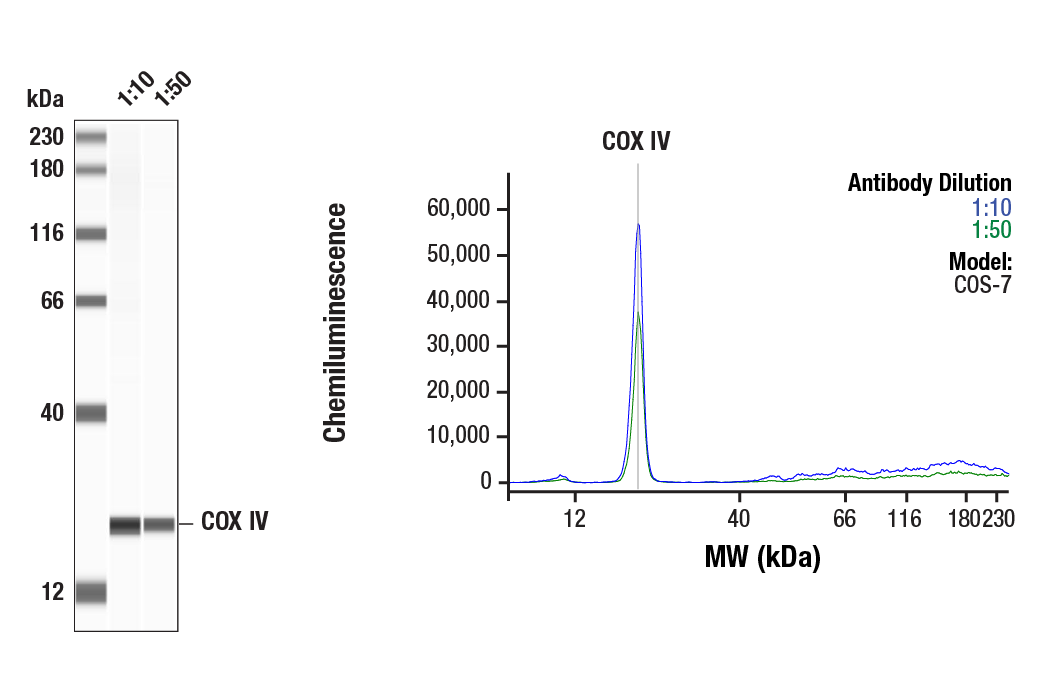
Simple Western™ analysis of lysates (1.0 mg/mL) from COS-7 cells using COX IV (3E11) Rabbit mAb #4850. The virtual lane view (left) shows the target bands (as indicated) at 1:10 and 1:50 dilutions of primary antibody. The corresponding electropherogram view (right) plots chemiluminescence by molecular weight along the capillary at 1:10 (blue line) and 1:50 (green line) dilutions of primary antibody. This experiment was performed under reducing conditions on the Jess™ ​​​​​​​Simple Western instrument from ProteinSimple, a BioTechne brand, using the 12-230 kDa separation module.
undefined Image 18: Electron Transport Chain (Complex I, III, IV) Antibody Sampler Kit
Orders: 877-616-CELL (2355) [email protected] Support: 877-678-TECH (8324) [email protected] Web: cellsignal.com
For Research Use Only. Not for Use in Diagnostic Procedures.

Revision 1

Cell Signaling Technology Logo
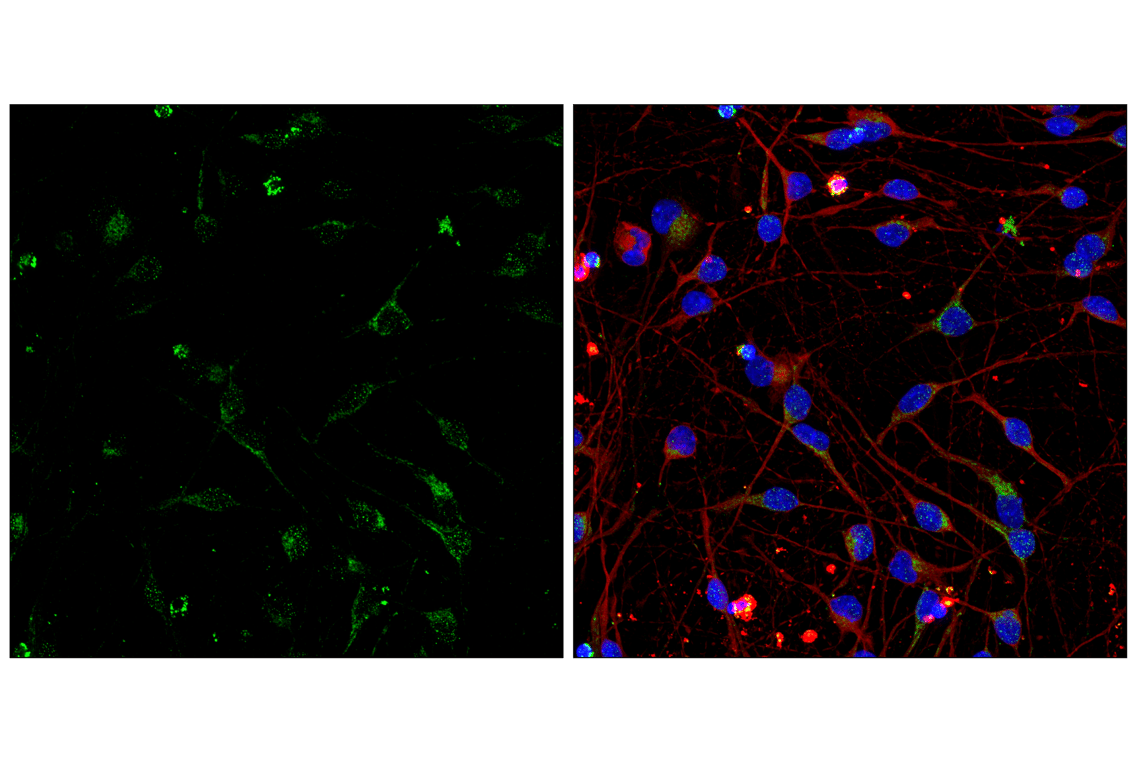
Confocal immunofluorescent analysis of human iPSC-derived cortical glutamatergic neurons at 7 days in vitro using COX IV (3E11) Rabbit mAb (green), β3-Tubulin (E9F3E) Mouse mAb #45058 (red), and DAPI #4083 (blue). iCell GlutaNeurons were kindly provided by FUJIFILM Cellular Dynamics, Inc.
undefined Image 19: Electron Transport Chain (Complex I, III, IV) Antibody Sampler Kit
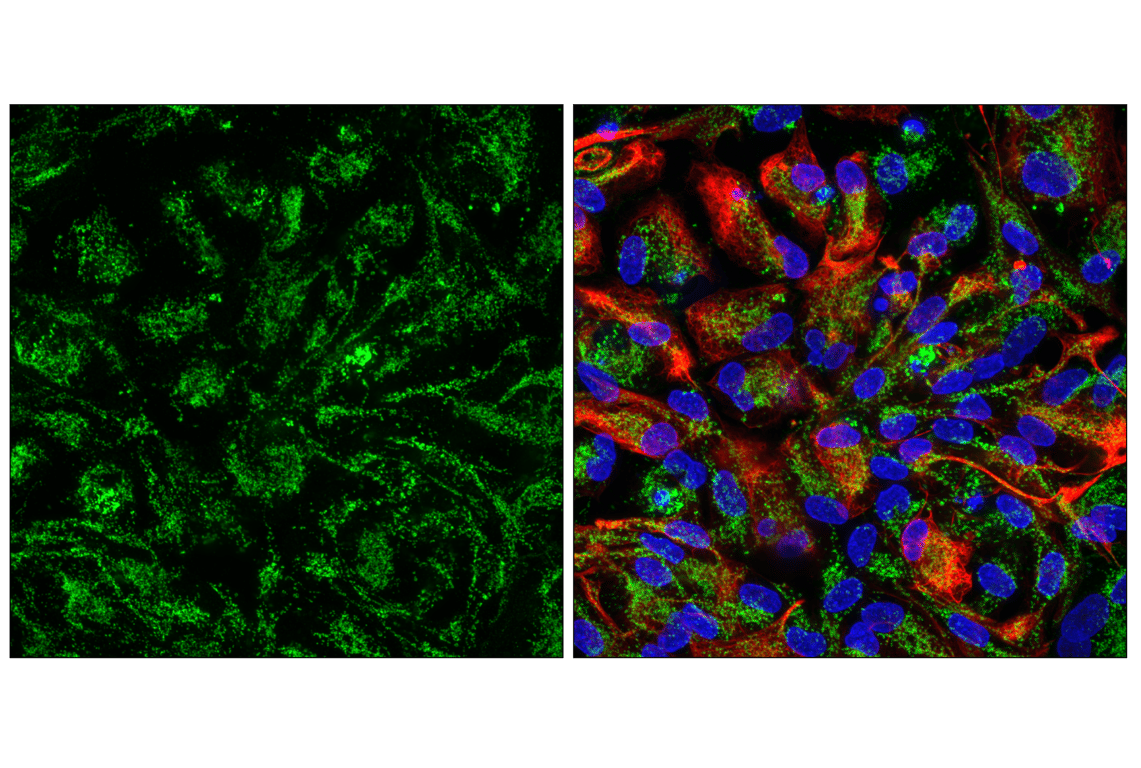
Confocal immunofluorescent analysis of human iPSC-derived astrocyte cells at 14 days in vitro using COX IV (3E11) Rabbit mAb (green), GFAP (GA5) Mouse mAb #3670 (red), and DAPI #4083 (blue). iCell Astrocytes 2.0 were kindly provided by FUJIFILM Cellular Dynamics, Inc.
undefined Image 20: Electron Transport Chain (Complex I, III, IV) Antibody Sampler Kit
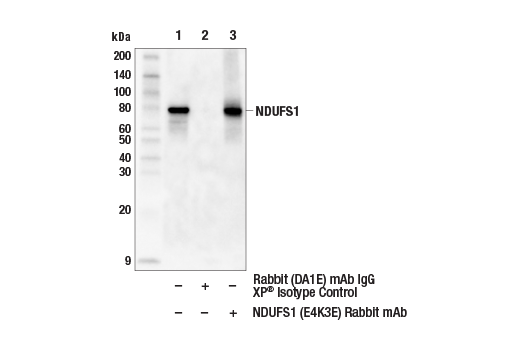
Immunoprecipitation of NDUFS1 protein from HeLa cell extracts. Lane 1 is 10% input, lane 2 is Rabbit (DA1E) mAb IgG XP® Isotype Control #3900, and lane 3 is NDUFS1 (E4K3E) Rabbit mAb. Western blot analysis was performed using NDUFS1 (E4K3E) Rabbit mAb. Mouse Anti-rabbit IgG (Conformation Specific) (L27A9) mAb (HRP Conjugate) #5127 was used as a secondary antibody.
undefined Image 21: Electron Transport Chain (Complex I, III, IV) Antibody Sampler Kit
Orders: 877-616-CELL (2355) [email protected] Support: 877-678-TECH (8324) [email protected] Web: cellsignal.com
For Research Use Only. Not for Use in Diagnostic Procedures.

Revision 1

Cell Signaling Technology Logo
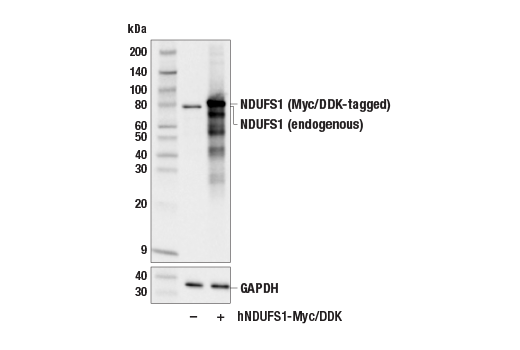
Western blot analysis of extracts from 293T cells, mock transfected (-) or transfected with a construct expressing Myc/DDK-tagged full-length human NDUFS1 (hNDUFS1-Myc/DDK; +), using NDUFS1 (E4K3E) Rabbit mAb (upper) or GAPDH (D16H11) XP® Rabbit mAb #5174 (lower).
undefined Image 22: Electron Transport Chain (Complex I, III, IV) Antibody Sampler Kit
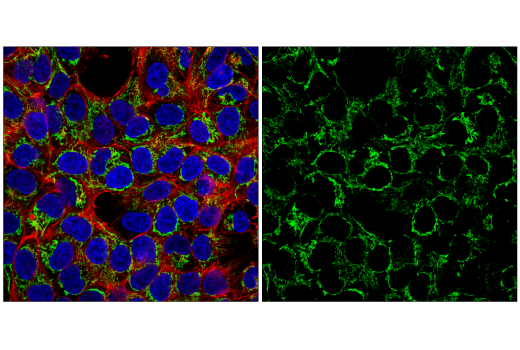
Confocal immunofluorescent analysis of A-673 cells using NDUFS1 (E4K3E) Rabbit mAb (green), DyLight™ 650 Phalloidin #12956 (red), and DAPI #4083 (blue).
undefined Image 23: Electron Transport Chain (Complex I, III, IV) Antibody Sampler Kit
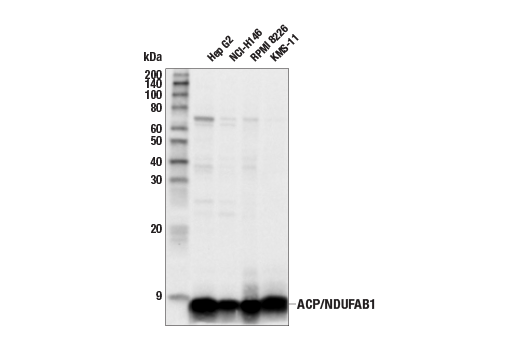
Western blot analysis of extracts from various cell lines using ACP/NDUFAB1 (E2V9B) Rabbit mAb.
undefined Image 24: Electron Transport Chain (Complex I, III, IV) Antibody Sampler Kit
Orders: 877-616-CELL (2355) [email protected] Support: 877-678-TECH (8324) [email protected] Web: cellsignal.com
For Research Use Only. Not for Use in Diagnostic Procedures.