Revision 1

#89947

Store at -20C

CST Logo
Orders:

877-616-CELL (2355)

[email protected]

Support:

877-678-TECH (8324)

3 Trask Lane | Danvers | Massachusetts | 01923 | USA

For Research Use Only. Not for Use in Diagnostic Procedures.

Product Includes Product # Quantity Mol. Wt Isotype/Source
BiP (C50B12) Rabbit Monoclonal Antibody317720 µl78 kDaRabbit IgG
eIF2 alpha (D7D3) Rabbit Monoclonal Antibody532420 µl38 kDaRabbit IgG
Phospho-eIF2 alpha (Ser51) (D9G8) Rabbit Monoclonal Antibody339820 µl38 kDaRabbit IgG
Atg12 (D88H11) Rabbit Monoclonal Antibody418020 µl16, 55 kDaRabbit IgG
Beclin-1 (D40C5) Rabbit Monoclonal Antibody349520 µl60 kDaRabbit IgG
JNK1 (2C6) Mouse Monoclonal Antibody370820 µl46, 54 kDaMouse IgG1
Phospho-SAPK/JNK (Thr183/Tyr185) (81E11) Rabbit Monoclonal Antibody466820 µl46, 54 kDaRabbit IgG
Anti-rabbit IgG, HRP-linked Antibody7074100 µlGoat
Anti-mouse IgG, HRP-linked Antibody7076100 µlHorse

Please visit cellsignal.com for individual component applications, species cross-reactivity, dilutions, protocols, and additional product information.

Description

The ER Stress-induced Antibody Sampler Kit contains reagents to investigate ER stress-induced signaling within the cell. The kit contains enough primary antibodies to perform four western blot experiments per primary antibody.

Storage

Supplied in 10 mM sodium HEPES (pH 7.5), 150 mM NaCl, 100 µg/ml BSA, 50% glycerol and less than 0.02% sodium azide. Store at –20°C. Do not aliquot the antibodies.

Background

The endoplasmic reticulum (ER) is an organelle with essential biosynthetic and signaling functions in eukaryotic cells (1). Post synthesis of secretory and transmembrane proteins on polysomes, proteins are translocated into the ER where they are often modified by disulfide bond formation, amino-linked glycosylation, and folding. Different physiological and pathological conditions can disturb proper protein folding in the ER causing ER stress (1). ER stress activates an intracellular signaling transduction pathway called unfolded protein response (UPR) and autophagy to avoid cell death (2). The main role of UPR is to improve the protein load on the ER by shutting down protein translation and gene transcription to enhance ER's folding capacity (2). On the other hand, autophagy is a catabolic process for the autophagosomic-lysosomal degradation of bulk cytoplasmc contents (3,4). One of the chaperones aiding in proper protein folding is Binding immunoglobulin Protein (BiP) (5,6). BiP works by binding to misfolded proteins to prevent them from forming aggregates and assists in proper refolding (7). The molecular machinery of autophagy was largely discovered in yeast and referred to as autophagy-related (Atg) genes. Formation of the autophagosome involves a ubiquitin-like conjugation system in which Atg12 is covalently bound to Atg5 and targeted to autophagosome vesicles (8-10). One of the proteins critical to autophagy process is Beclin-1, the mammalian orthologue of the yeast autophagy protein Apg6/Vps30 (11). Beclin-1 can complement defects in yeast autophagy caused by loss of Apg6 and can also stimulate autophagy when overexpressed in mammalian cells (12). Mammalian Beclin-1 was originally isolated in a yeast two-hybrid screen for Bcl-2 interacting proteins and has been shown to interact with Bcl-2 and Bcl-xL, but not with Bax or Bak (13). Phosphorylation of the eukaryotic initiation factor 2 (eIF2) α subunit is a well-documented mechanism to downregulate protein synthesis under a variety of stress conditions. eIF2 binds GTP and Met-tRNAi and transfers Met-tRNA to the 40S subunit to form the 43S preinitiation complex (14,15). Kinases that are activated by viral infection (PKR) can phosphorylate the α subunit of eIF2 (16,17). Induction of PKR by IFN-γ and TNF-α induces potent phosphorylation of eIF2α at Ser51 (18,19). There are three SAPK/JNK genes each of which undergoes alternative splicing, resulting in numerous isoforms (20). The IRE1, a transmembrane serine/threonine kinase (21,22), through its kinase activity activates SAPK/JNK in the early stage of ER stress in order to induce autophagosome formation (23).

Trademarks and Patents

Cell Signaling Technology is a trademark of Cell Signaling Technology, Inc.

U.S. Patent No. 7,429,487, foreign equivalents, and child patents deriving therefrom.

All other trademarks are the property of their respective owners. Visit cellsignal.com/trademarks for more information.

Limited Uses

Except as otherwise expressly agreed in a writing signed by a legally authorized representative of CST, the following terms apply to Products provided by CST, its affiliates or its distributors. Any Customer's terms and conditions that are in addition to, or different from, those contained herein, unless separately accepted in writing by a legally authorized representative of CST, are rejected and are of no force or effect.

Products are labeled with For Research Use Only or a similar labeling statement and have not been approved, cleared, or licensed by the FDA or other regulatory foreign or domestic entity, for any purpose. Customer shall not use any Product for any diagnostic or therapeutic purpose, or otherwise in any manner that conflicts with its labeling statement. Products sold or licensed by CST are provided for Customer as the end-user and solely for research and development uses. Any use of Product for diagnostic, prophylactic or therapeutic purposes, or any purchase of Product for resale (alone or as a component) or other commercial purpose, requires a separate license from CST. Customer shall (a) not sell, license, loan, donate or otherwise transfer or make available any Product to any third party, whether alone or in combination with other materials, or use the Products to manufacture any commercial products, (b) not copy, modify, reverse engineer, decompile, disassemble or otherwise attempt to discover the underlying structure or technology of the Products, or use the Products for the purpose of developing any products or services that would compete with CST products or services, (c) not alter or remove from the Products any trademarks, trade names, logos, patent or copyright notices or markings, (d) use the Products solely in accordance with CST Product Terms of Sale and any applicable documentation, and (e) comply with any license, terms of service or similar agreement with respect to any third party products or services used by Customer in connection with the Products.

Orders: 877-616-CELL (2355) [email protected] Support: 877-678-TECH (8324) [email protected] Web: cellsignal.com
For Research Use Only. Not for Use in Diagnostic Procedures.

Revision 1

Cell Signaling Technology Logo
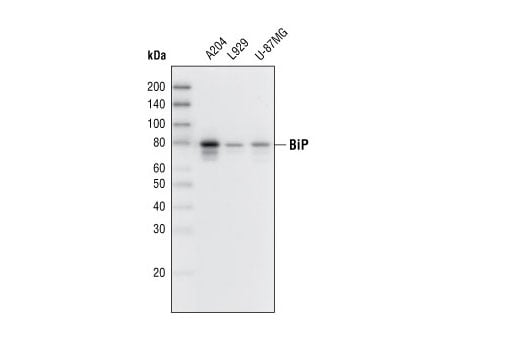
Western blot analysis of extracts from various cell lines using BiP (C50B12) Rabbit mAb.
undefined Image 1: ER Stress-induced Autophagy Antibody Sampler Kit
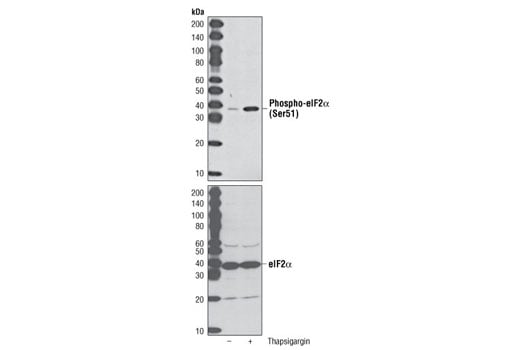
Western blot analysis of extracts from C2C12 cells, untreated or thapsigargin-treated, using Phospho-eIF2α (Ser51) (D9G8) XP® Rabbit mAb (upper) or eIF2α Antibody #9722 (lower).
undefined Image 2: ER Stress-induced Autophagy Antibody Sampler Kit
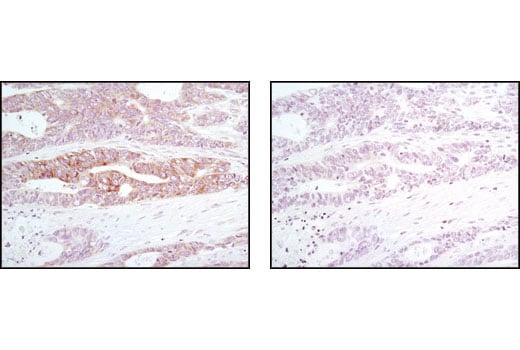
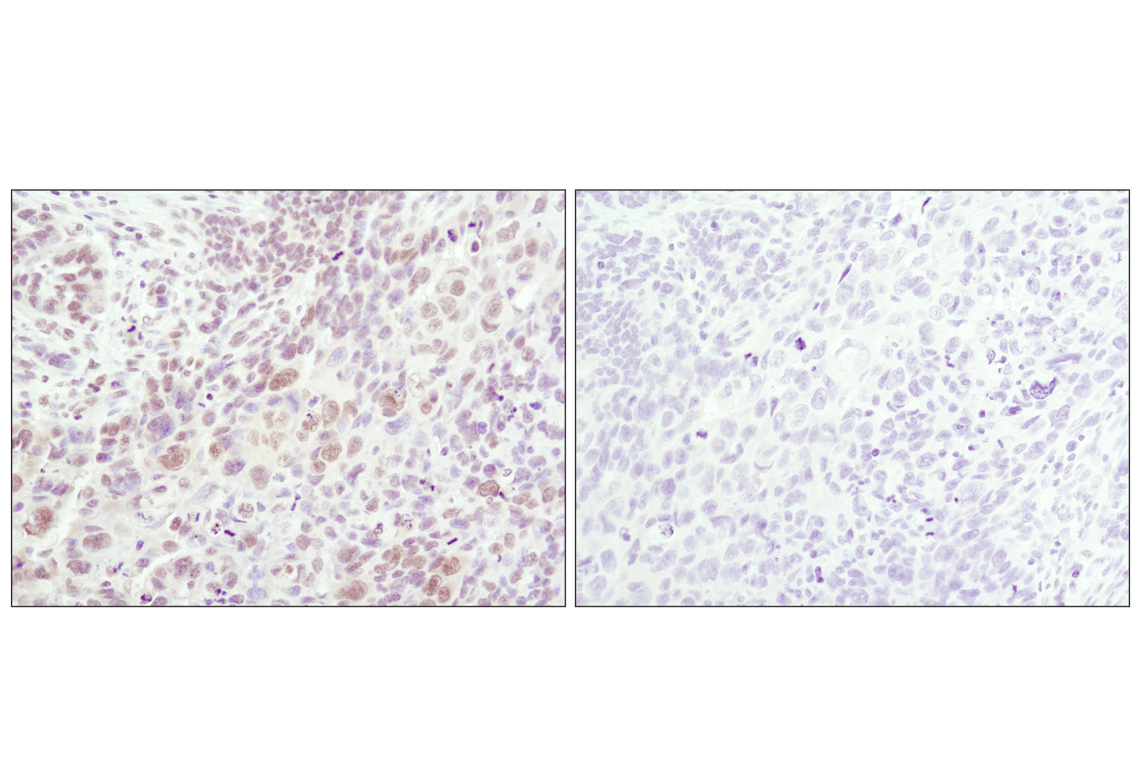
Immunohistochemical analysis of paraffin-embedded human colon carcinoma, untreated (left) or λ phosphatase-treated (right), using Phopsho-eIF2α (Ser51) (D9G8) XP® Rabbit mAb.
undefined Image 3: ER Stress-induced Autophagy Antibody Sampler Kit
Orders: 877-616-CELL (2355) [email protected] Support: 877-678-TECH (8324) [email protected] Web: cellsignal.com
For Research Use Only. Not for Use in Diagnostic Procedures.

Revision 1

Cell Signaling Technology Logo
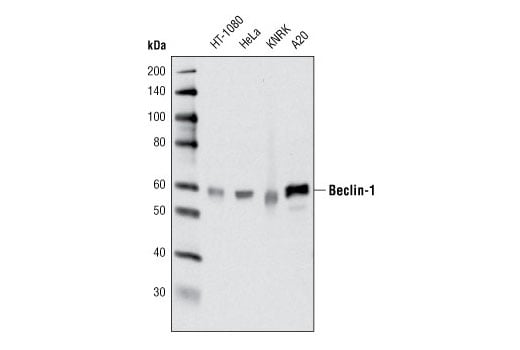
Western blot analysis of extracts from various cell lines using Beclin-1 (D40C5) Rabbit mAb.
undefined Image 4: ER Stress-induced Autophagy Antibody Sampler Kit
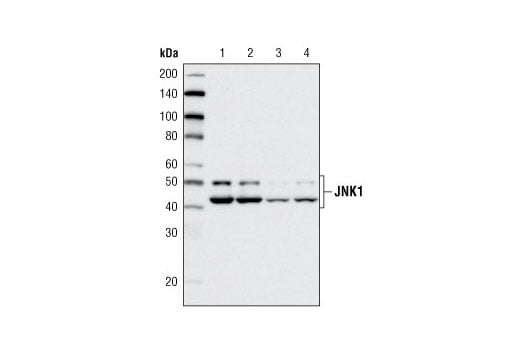
Western blot analysis of HeLa cell extracts, untransfected (lane 1), mock-transfected (lane 2) or transfected with SignalSilence® SAPK/JNK siRNA I #6232 (lane 3) or SignalSilence® SAPK/JNK siRNA II #6233 (lane 4) for 72 hours, using JNK1 (2C6) Mouse mAb.
undefined Image 5: ER Stress-induced Autophagy Antibody Sampler Kit
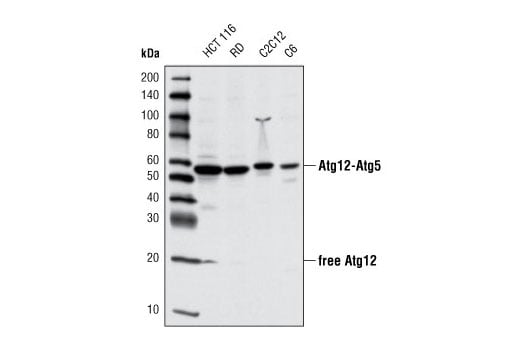
Western blot analysis of extracts from various cell lines using Atg12 (D88H11) Rabbit mAb.
undefined Image 6: ER Stress-induced Autophagy Antibody Sampler Kit
Orders: 877-616-CELL (2355) [email protected] Support: 877-678-TECH (8324) [email protected] Web: cellsignal.com
For Research Use Only. Not for Use in Diagnostic Procedures.

Revision 1

Cell Signaling Technology Logo
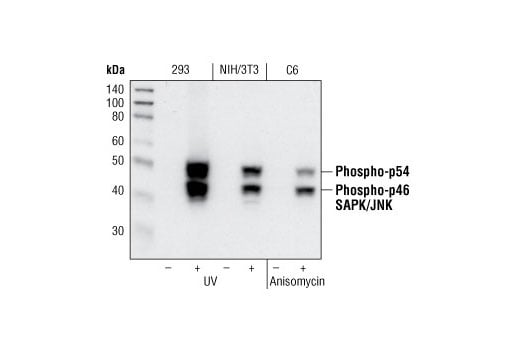
Western blot analysis of extracts from 293 cells, untreated or UV-treated, NIH/3T3 cells, untreated or UV-treated and C6 cells, untreated or anisomycin-treated, using Phospho-SAPK/JNK (Thr183/Tyr185) (81E11) Rabbit mAb.
undefined Image 7: ER Stress-induced Autophagy Antibody Sampler Kit
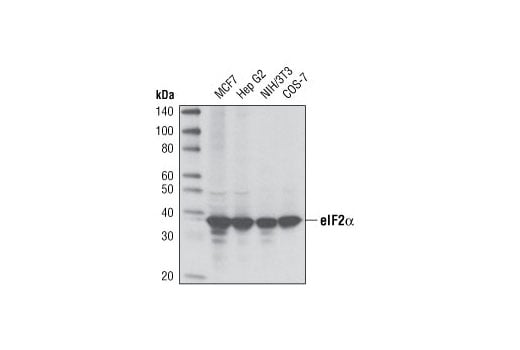
Western blot analysis of extracts from various cell lines using eIF2α (D7D3) XP® Rabbit mAb.
undefined Image 8: ER Stress-induced Autophagy Antibody Sampler Kit
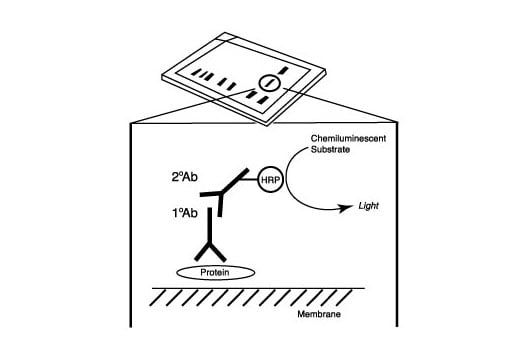
After the primary antibody is bound to the target protein, a complex with HRP-linked secondary antibody is formed. The LumiGLO® is added and emits light during enzyme catalyzed decomposition.
undefined Image 9: ER Stress-induced Autophagy Antibody Sampler Kit
Orders: 877-616-CELL (2355) [email protected] Support: 877-678-TECH (8324) [email protected] Web: cellsignal.com
For Research Use Only. Not for Use in Diagnostic Procedures.

Revision 1

Cell Signaling Technology Logo
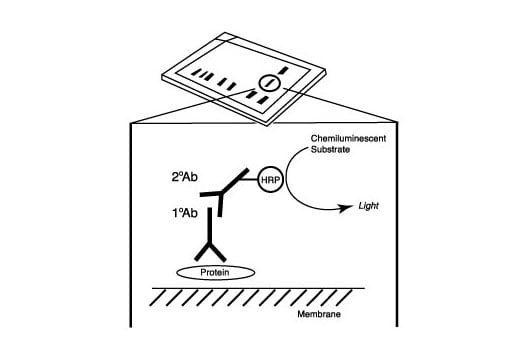
After the primary antibody is bound to the target protein, a complex with HRP-linked secondary antibody is formed. The LumiGLO* is added and emits light during enzyme catalyzed decomposition.
undefined Image 10: ER Stress-induced Autophagy Antibody Sampler Kit
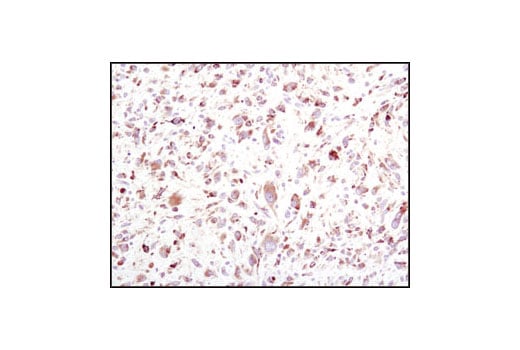
Immunohistochemical analysis of paraffin-embedded human glioblastoma using BiP (C50B12) Rabbit mAb.
undefined Image 11: ER Stress-induced Autophagy Antibody Sampler Kit
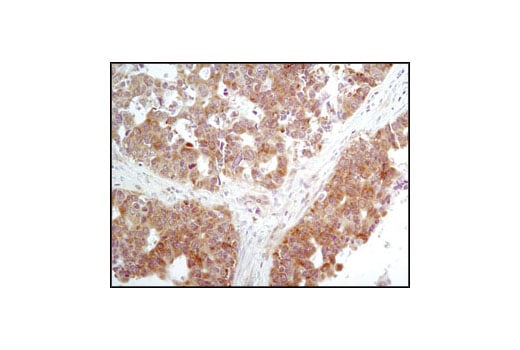
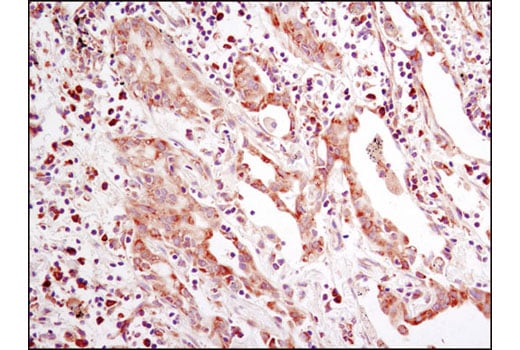
Immunohistochemical analysis of paraffin-embedded human lung carcinoma using Phospho-eIF2α (Ser51) (D9G8) XP® Rabbit mAb.
undefined Image 12: ER Stress-induced Autophagy Antibody Sampler Kit
Orders: 877-616-CELL (2355) [email protected] Support: 877-678-TECH (8324) [email protected] Web: cellsignal.com
For Research Use Only. Not for Use in Diagnostic Procedures.

Revision 1

Cell Signaling Technology Logo
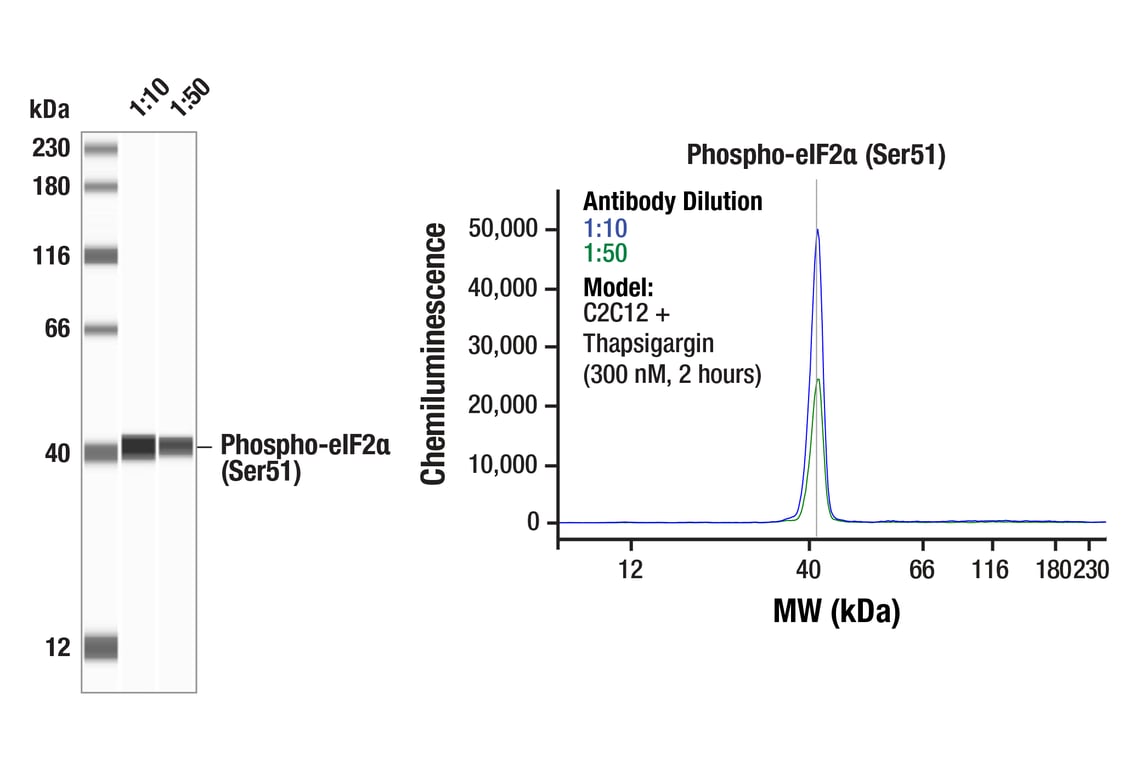
Simple Western™ analysis of lysates (0.1 mg/mL) from C2C12 cells treated with Thapsigargin (300 nM, 2 hours) using Phospho-eIF2α (Ser51) (D9G8) XP® Rabbit mAb #3398. The virtual lane view (left) shows the target band (as indicated) at 1:10 and 1:50 dilutions of primary antibody. The corresponding electropherogram view (right) plots chemiluminescence by molecular weight along the capillary at 1:10 (blue line) and 1:50 (green line) dilutions of primary antibody. This experiment was performed under reducing conditions on the Jess™ ​​​​​​​Simple Western instrument from ProteinSimple, a BioTechne brand, using the 12-230 kDa separation module.
undefined Image 13: ER Stress-induced Autophagy Antibody Sampler Kit
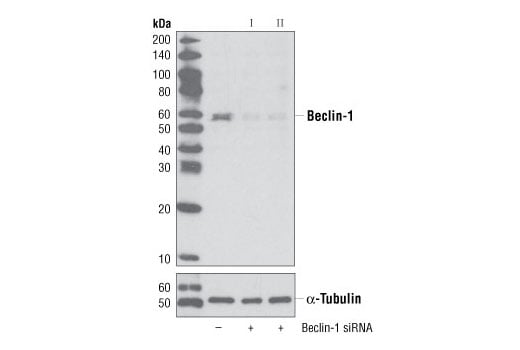
Western blot analysis of extracts from HeLa cells, transfected with 100 nM SignalSilence® Control siRNA (Unconjugated) #6568 (-), SignalSilence® Beclin-1 siRNA I #6222 (+) or SignalSilence® Beclin-1 siRNA II (+), using Beclin-1 (D40C5) XP® Rabbit mAb #3495 (upper) or α-Tubulin (11H10) Rabbit mAb #2125 (lower). The Beclin-1 (D40C5) XP® Rabbit mAb confirms silencing of Beclin-1 expression, while the α-Tubulin (11H10) Rabbit mAb is used to control for loading and specificity of Beclin-1 siRNA.
undefined Image 14: ER Stress-induced Autophagy Antibody Sampler Kit
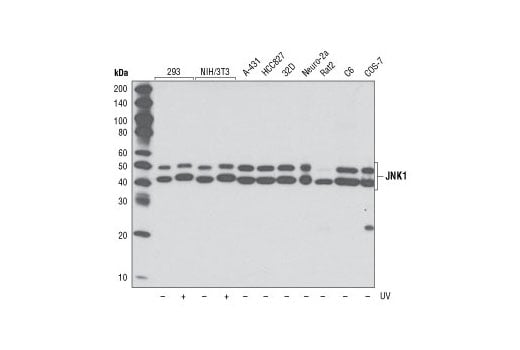
Western blot analysis of extracts from indicated cell lines, untreated or UV-treated (40 J/m2, 30 min recovery), using JNK1 (2C6) Mouse mAb.
undefined Image 15: ER Stress-induced Autophagy Antibody Sampler Kit
Orders: 877-616-CELL (2355) [email protected] Support: 877-678-TECH (8324) [email protected] Web: cellsignal.com
For Research Use Only. Not for Use in Diagnostic Procedures.

Revision 1

Cell Signaling Technology Logo
Immunohistochemical analysis of paraffin-embedded human lung carcinoma using Phospho-SAPK/JNK (Thr183/Tyr185) (81E11) Rabbit mAb in the presence of control peptide (left) or Phospho-SAPK/JNK (Thr183/Tyr185) Blocking Peptide (right).
undefined Image 16: ER Stress-induced Autophagy Antibody Sampler Kit
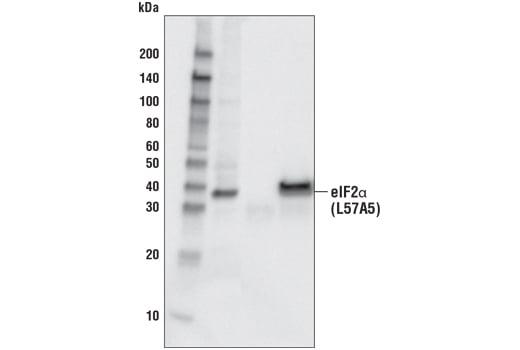
Immunoprecipitation/western blot analysis of lysates from HeLa cells. Lane 1 contains lysate input (10%), lane 2 was immunoprecipitated with non-specific rabbit IgG, lane 3 was immunoprecipitated with eIF2α (D7D3) XP® Rabbit mAb #5324. Western blot analysis was performed using eIF2α (L57A5) Mouse mAb #2103.
undefined Image 17: ER Stress-induced Autophagy Antibody Sampler Kit
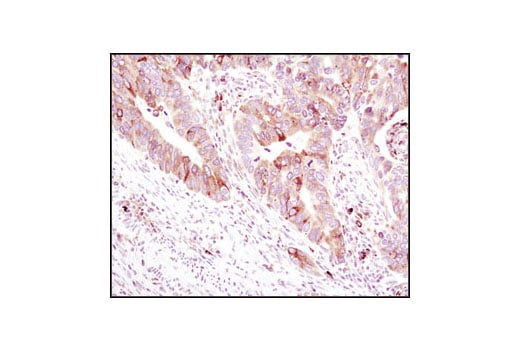
Immunohistochemical analysis of paraffin-embedded human colon carcinoma using BiP (C50B12) Rabbit mAb.
undefined Image 18: ER Stress-induced Autophagy Antibody Sampler Kit
Orders: 877-616-CELL (2355) [email protected] Support: 877-678-TECH (8324) [email protected] Web: cellsignal.com
For Research Use Only. Not for Use in Diagnostic Procedures.

Revision 1

Cell Signaling Technology Logo
Immunohistochemical analysis of paraffin-embedded human lymphoma using Phospho-eIF2α (Ser51) (D9G8) XP® Rabbit mAb.
undefined Image 19: ER Stress-induced Autophagy Antibody Sampler Kit
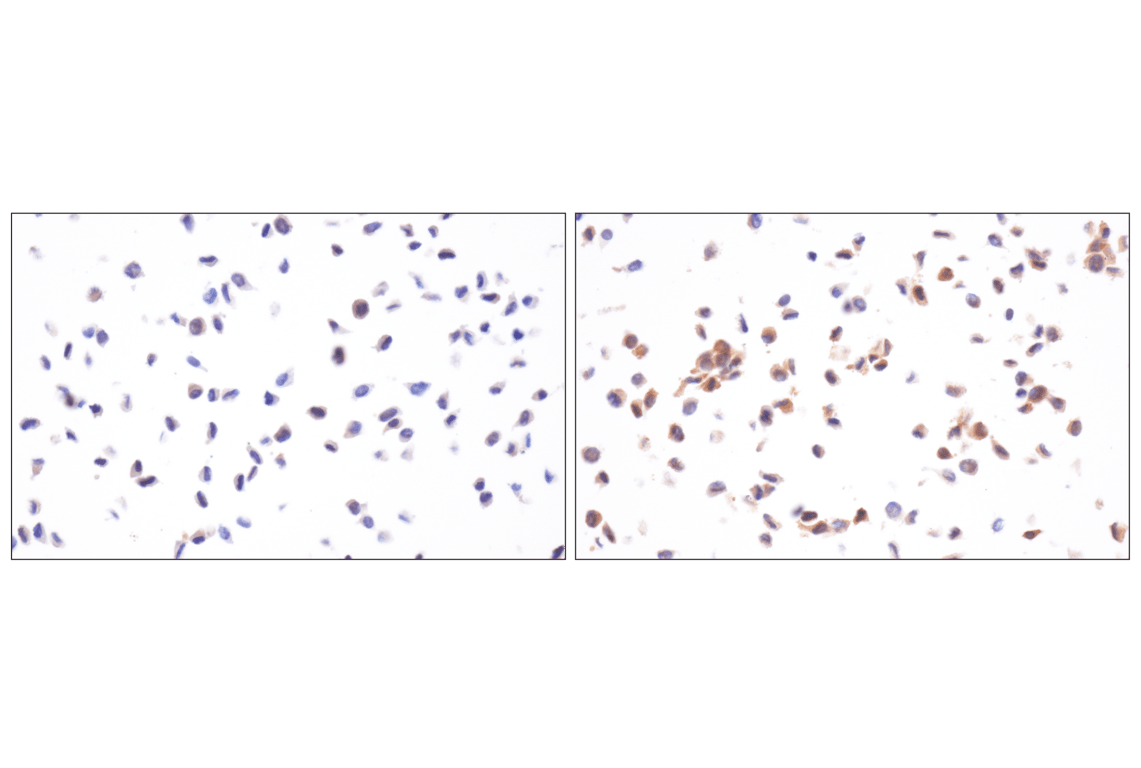
Immunohistochemical analysis of paraffin-embedded 293T cells untreated (left) or UV-treated (right) using Phospho-SAPK/JNK (Thr183/Tyr185) (81E11) Rabbit mAb.
undefined Image 20: ER Stress-induced Autophagy Antibody Sampler Kit
Immunohistochemical analysis of paraffin-embedded human lung carcinoma using eIF2α (D7D3) XP® Rabbit mAb.
undefined Image 21: ER Stress-induced Autophagy Antibody Sampler Kit
Orders: 877-616-CELL (2355) [email protected] Support: 877-678-TECH (8324) [email protected] Web: cellsignal.com
For Research Use Only. Not for Use in Diagnostic Procedures.

Revision 1

Cell Signaling Technology Logo
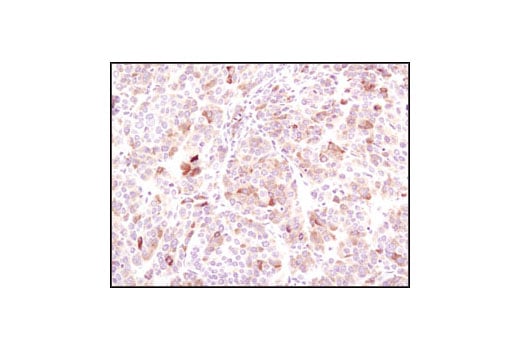
Immunohistochemical analysis of paraffin-embedded human hepatocellular carcinoma using BiP (C50B12) Rabbit mAb.
undefined Image 22: ER Stress-induced Autophagy Antibody Sampler Kit
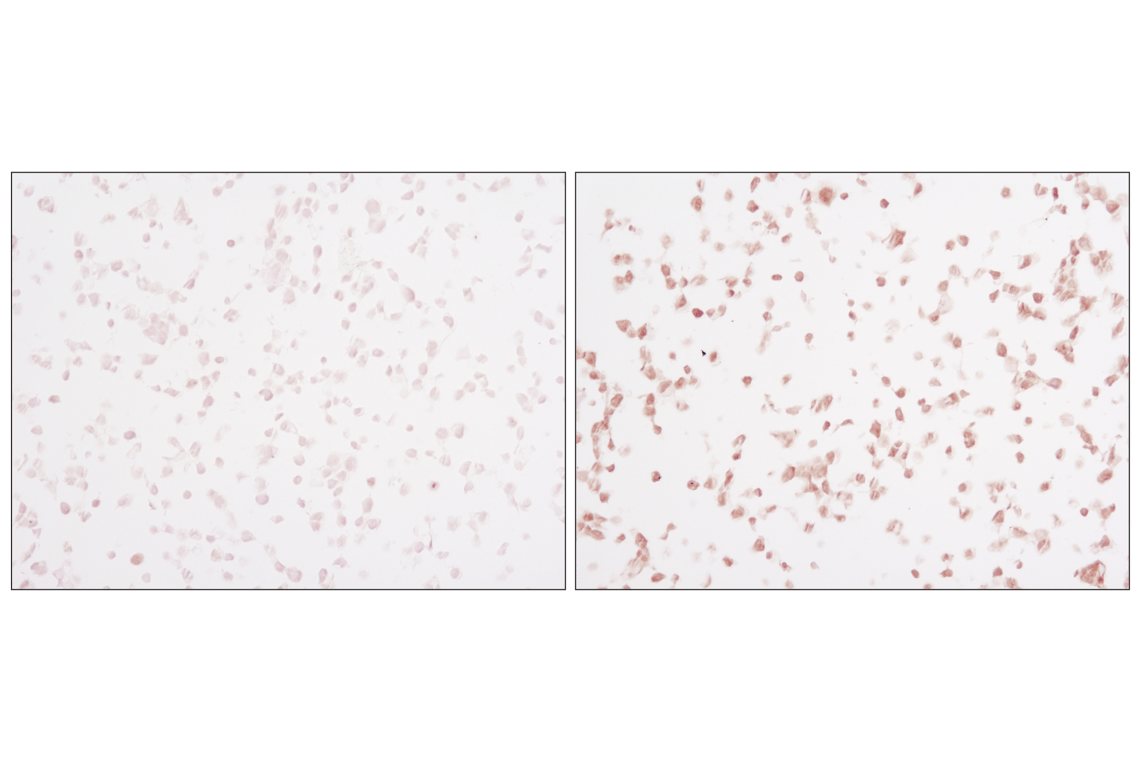
Immunohistochemical analysis of paraffin-embedded NIH/3T3 cell pellets, untreated (left) or treated with Thapsigargin #12758 (300 nM, 30 min, right) using Phopsho-eIF2alpha (S51) (D9G8) Rabbit mAb.
undefined Image 23: ER Stress-induced Autophagy Antibody Sampler Kit
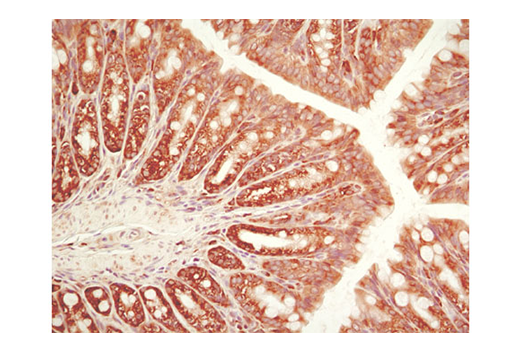
Immunohistochemical analysis of paraffin-embedded mouse colon using eIF2α (D7D3) XP® Rabbit mAb.
undefined Image 24: ER Stress-induced Autophagy Antibody Sampler Kit
Orders: 877-616-CELL (2355) [email protected] Support: 877-678-TECH (8324) [email protected] Web: cellsignal.com
For Research Use Only. Not for Use in Diagnostic Procedures.

Revision 1

Cell Signaling Technology Logo
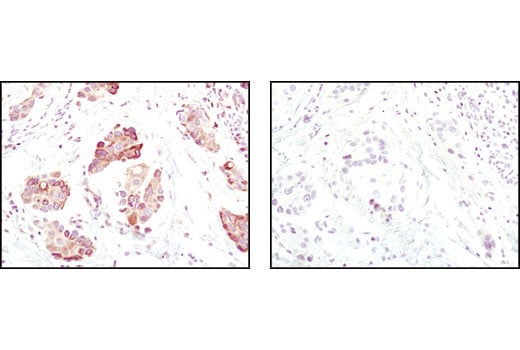
Immunohistochemical analysis of paraffin-embedded human breast carcinoma using BiP (C50B12) Rabbit mAb in the presence of control peptide (left) or BiP Blocking Peptide #1084 (right).
undefined Image 25: ER Stress-induced Autophagy Antibody Sampler Kit
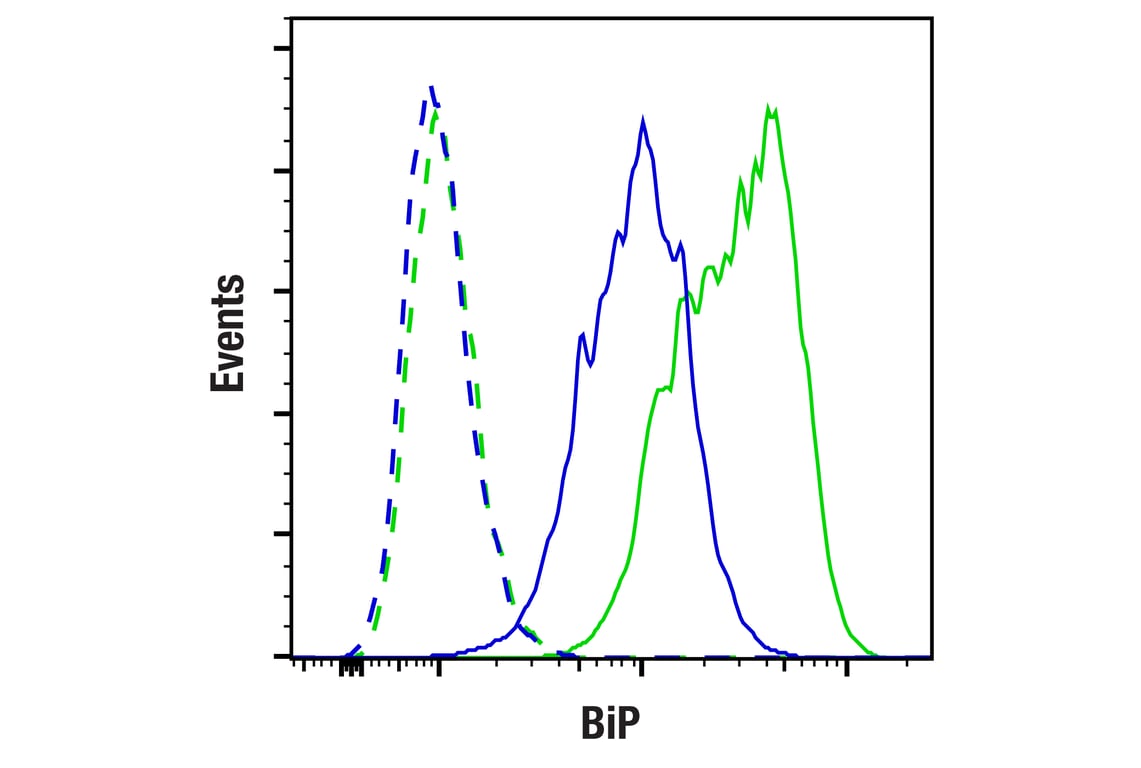
Flow cytometric analysis of A204 cells using BiP (C50B12) Rabbit mAb (blue) compared to concentration-matched Rabbit (DA1E) mAb IgG XP® Isotype Control #3900 (red). Anti-rabbit IgG (H+L), F(ab')2 Fragment (Alexa Fluor® 488 Conjugate) #4412 was used as a secondary antibody.
undefined Image 26: ER Stress-induced Autophagy Antibody Sampler Kit
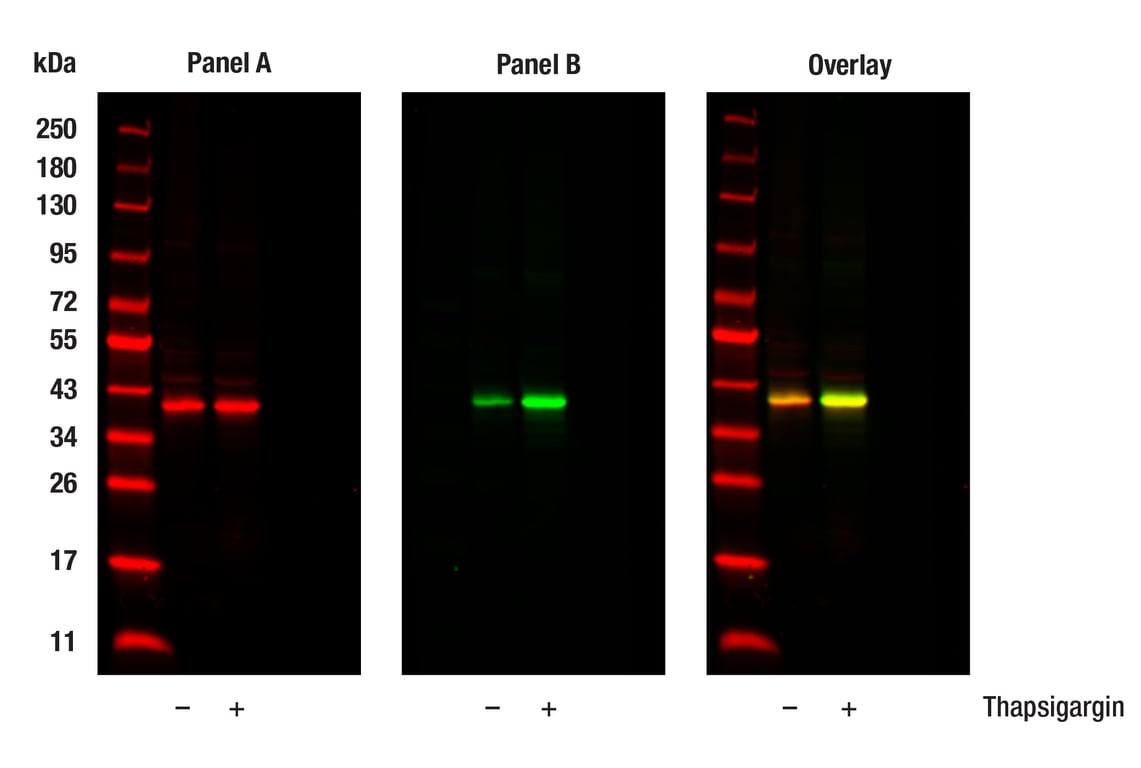
Western blot analysis of extracts from AR42J cells, untreated (-) or treated with Thapsigargin (1uM, 20min; +), using eIF2α (L57A5) Mouse mAb #2103 (Panel A) and Phospho-eIF2α (Ser51) (D9G8) XP® Rabbit mAb #3398 (Panel B). Anti-mouse IgG (H+L) (DyLight 680 Conjugate) #5470 (red) and Anti-rabbit IgG (H+L) (DyLight 800 4X PEG Conjugate) #5151 (green) were used as secondary antibodies.
undefined Image 27: ER Stress-induced Autophagy Antibody Sampler Kit
Orders: 877-616-CELL (2355) [email protected] Support: 877-678-TECH (8324) [email protected] Web: cellsignal.com
For Research Use Only. Not for Use in Diagnostic Procedures.

Revision 1

Cell Signaling Technology Logo
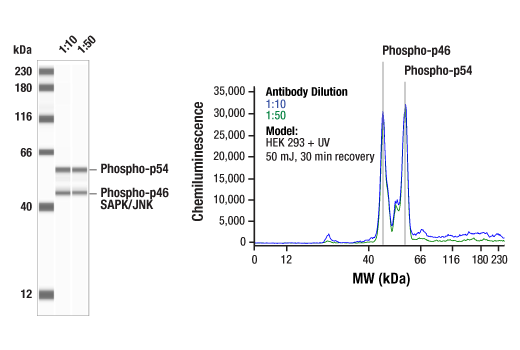
Simple Western™ analysis of lysates (1.0 mg/mL) from HEK 293 cells treated with UV (50 mJ, 30 min recovery) using Phospho-SAPK/JNK (Thr183/Tyr185) (81E11) Rabbit mAb #4668. The virtual lane view (left) shows two target bands (as indicated) at 1:10 and 1:50 dilutions of primary antibody. The corresponding electropherogram view (right) plots chemiluminescence by molecular weight along the capillary at 1:10 (blue line) and 1:50 (green line) dilutions of primary antibody. This experiment was performed under reducing conditions on the Jess™ Simple Western instrument from ProteinSimple, a BioTechne brand, using the 12-230 kDa separation module.
undefined Image 28: ER Stress-induced Autophagy Antibody Sampler Kit
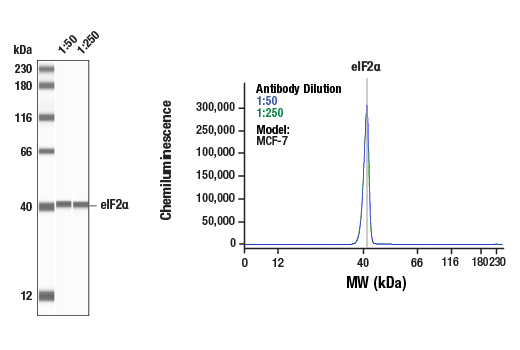
Simple Western™ analysis of lysates (0.1 mg/mL) from MCF-7 cells using eIF2α (D7D3) XP® Rabbit mAb #5324. The virtual lane view (left) shows a single target band (as indicated) at 1:50 and 1:250 dilutions of primary antibody. The corresponding electropherogram view (right) plots chemiluminescence by molecular weight along the capillary at 1:50 (blue line) and 1:250 (green line) dilutions of primary antibody. This experiment was performed under reducing conditions on the Jess™ Simple Western instrument from ProteinSimple, a BioTechne brand, using the 12-230 kDa separation module.
undefined Image 29: ER Stress-induced Autophagy Antibody Sampler Kit
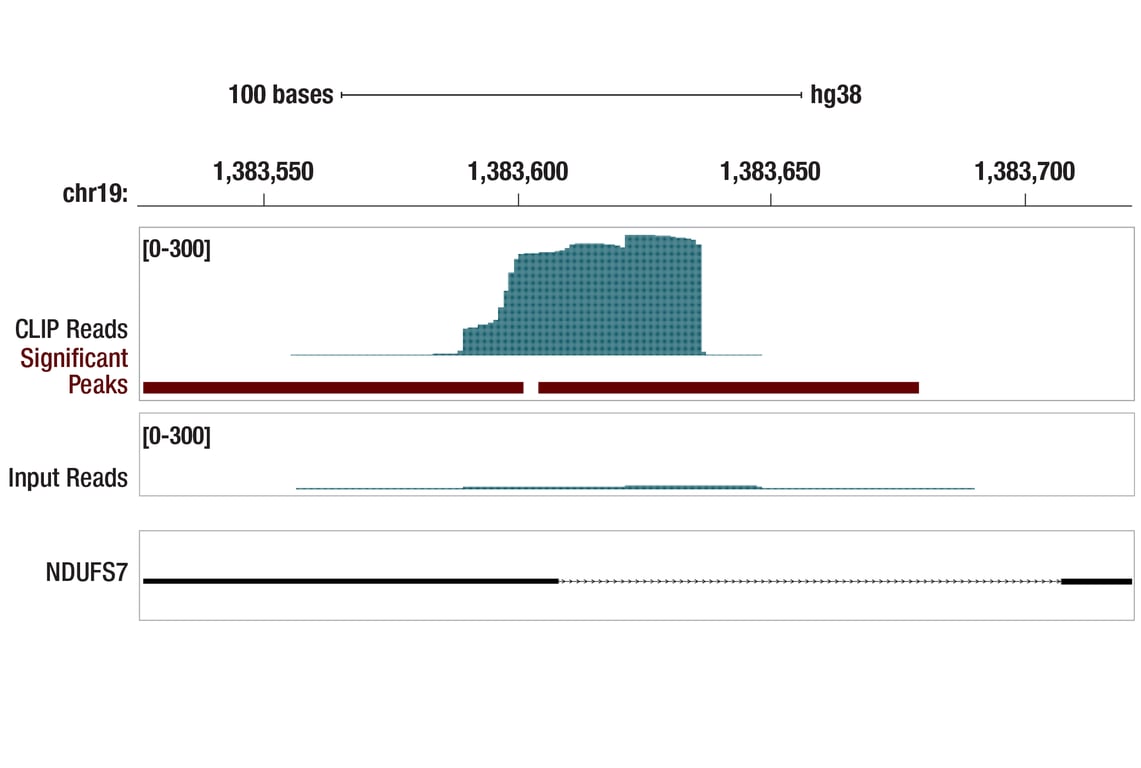
Enhanced cross-linking and immunoprecipitation (eCLIP) was performed with RNA from K-562 cells and eIF2α (D7D3) XP® Rabbit mAb using a protocol based on the RBP-eCLIP method from EclipseBio. The figure shows binding across the NDUF7 transcript. Data is kindly provided by the laboratory of Dr. Gene Yeo and used with permission.
undefined Image 30: ER Stress-induced Autophagy Antibody Sampler Kit
Orders: 877-616-CELL (2355) [email protected] Support: 877-678-TECH (8324) [email protected] Web: cellsignal.com
For Research Use Only. Not for Use in Diagnostic Procedures.