Revision 1

#15792

Store at -20C

Hypoxia Pathway Antibody Sampler Kit

1 Kit

(7 x 20 microliters)

CST Logo
Orders:

877-616-CELL (2355)

[email protected]

Support:

877-678-TECH (8324)

3 Trask Lane | Danvers | Massachusetts | 01923 | USA

For Research Use Only. Not for Use in Diagnostic Procedures.

Product Includes Product # Quantity Mol. Wt Isotype/Source
HIF-1 alpha (D1S7W) Rabbit Monoclonal Antibody3616920 µl120 kDaRabbit IgG
Hydroxy-HIF-1 alpha (Pro564) (D43B5) Rabbit Monoclonal Antibody343420 µl120 kDaRabbit IgG
HIF-1 beta/ARNT (D28F3) Rabbit Monoclonal Antibody553720 µl87 kDaRabbit IgG
HIF-2 alpha (D6T8V) Rabbit Monoclonal Antibody5997320 µl120 kDaRabbit IgG
FIH (D19B3) Rabbit Monoclonal Antibody442620 µl42 kDaRabbit IgG
PHD-2/Egln1 (D31E11) Rabbit Monoclonal Antibody483520 µl50 kDaRabbit IgG
VHL Antibody6854720 µl18-22 kDaRabbit
Anti-rabbit IgG, HRP-linked Antibody7074100 µlGoat

Please visit cellsignal.com for individual component applications, species cross-reactivity, dilutions, protocols, and additional product information.

Description

The Hypoxia Pathway Antibody Sampler Kit provides an economical means to investigate select proteins involved in the hypoxia pathway. The kit contains enough primary antibodies to perform two western blot experiments with each primary antibody.

Storage

Supplied in 10 mM sodium HEPES (pH 7.5), 150 mM NaCl, 100 µg/ml BSA, 50% glycerol and less than 0.02% sodium azide. Store at –20°C. Do not aliquot the antibodies.

Background

Hypoxia-inducible factor 1 (HIF1) is a heterodimeric transcription factor that plays a critical role in the cellular response to hypoxia (1). The HIF1 complex consists of two subunits, HIF-1α and HIF-1β, which are basic helix-loop-helix proteins of the PAS (Per, ARNT, Sim) family (2). HIF1 regulates the transcription of a broad range of genes that facilitate responses to the hypoxic environment, including genes regulating angiogenesis, erythropoiesis, cell cycle, metabolism, and apoptosis. The widely expressed HIF-1α is typically degraded rapidly in normoxic cells by the ubiquitin/proteasomal pathway. Under normoxic conditions, HIF-1α is proline hydroxylated leading to a conformational change that promotes binding to the von Hippel-Lindau protein (VHL) E3 ligase complex; ubiquitination and proteasomal degradation follows (3,4). Both hypoxic conditions and chemical hydroxylase inhibitors (such as desferrioxamine and cobalt) inhibit HIF-1α degradation and lead to its stabilization. In addition, HIF-1α can be induced in an oxygen-independent manner by various cytokines through the PI3K-AKT-mTOR pathway (5-7).

HIF-1β is also known as AhR nuclear translocator (ARNT) due to its ability to partner with the aryl hydrocarbon receptor (AhR) to form a heterodimeric transcription factor complex (8). Together with AhR, HIF-1β plays an important role in xenobiotics metabolism (8). In addition, a chromosomal translocation leading to a TEL-ARNT fusion protein is associated with acute myeloblastic leukemia (9). Studies also found that ARNT/HIF-1β expression levels decrease significantly in pancreatic islets from patients with type 2 diabetes, suggesting that HIF-1β plays an important role in pancreatic β-cell function (10).

Hypoxia-inducible factor (HIF) is essential for the cellular response to hypoxia (11,12). There are several isoforms of the HIF α subunit. Studies have found that HIF-1α and HIF-2α expression is increased in some human cancers. HIF-1α has both pro- and anti-proliferative activities, whereas HIF-2α does not possess anti-proliferative activity (12). Therefore, HIF-2α likely plays an important role in tumorigenesis (12,13).

FIH (Factor inhibiting HIF-1, HIF asparagine hydroxylase) is a dioxygen-dependent asparaginyl hydroxylase that modifies target protein function by hydroxylating target protein asparagine residues (14-16). HIF, a transcriptional activator involved in control of cell cycle in response to hypoxic conditions, is an important target for FIH regulation. FIH functions as an oxygen sensor that regulates HIF function by hydroxylating at Asn803 in the carboxy-terminal transactivation domain (CAD) of HIF (17,18). During normoxia, FIH uses cellular oxygen to hydroxylate HIF-1 and prevent interaction of HIF-1 with transcriptional coactivators, including the CBP/p300-interacting transactivator. Under hypoxic conditions, FIH remains inactive and does not inhibit HIF, allowing the activator to regulate transcription of genes in response to low oxygen conditions (17-19). FIH activity is regulated through interaction with proteins, including Siah-1, which targets FIH for proteasomal degradation (20). The Cut-like homeodomain protein CDP can bind the FIH promoter region to regulate FIH expression at the transcriptional level (21). Phosphorylation of HIF at Thr796 also can prevent FIH hydroxylation on Asn803 (22). Potential FIH substrates also include proteins with ankyrin repeat domains, such as Iκ-B, Notch, and ASB4 (23-25).

PHD1 (Egln2), PHD-2 (Egln1), and PHD3 (Egln3) are members of the Egln family of proline hydroxylases. They function as oxygen sensors that catalyze the hydroxylation of HIF on prolines 564 and 402, initiating the first step of HIF degradation through the VHL/ubiquitin pathway (26,27).

Trademarks and Patents

Cell Signaling Technology is a trademark of Cell Signaling Technology, Inc.

All other trademarks are the property of their respective owners. Visit cellsignal.com/trademarks for more information.

Limited Uses

Except as otherwise expressly agreed in a writing signed by a legally authorized representative of CST, the following terms apply to Products provided by CST, its affiliates or its distributors. Any Customer's terms and conditions that are in addition to, or different from, those contained herein, unless separately accepted in writing by a legally authorized representative of CST, are rejected and are of no force or effect.

Products are labeled with For Research Use Only or a similar labeling statement and have not been approved, cleared, or licensed by the FDA or other regulatory foreign or domestic entity, for any purpose. Customer shall not use any Product for any diagnostic or therapeutic purpose, or otherwise in any manner that conflicts with its labeling statement. Products sold or licensed by CST are provided for Customer as the end-user and solely for research and development uses. Any use of Product for diagnostic, prophylactic or therapeutic purposes, or any purchase of Product for resale (alone or as a component) or other commercial purpose, requires a separate license from CST. Customer shall (a) not sell, license, loan, donate or otherwise transfer or make available any Product to any third party, whether alone or in combination with other materials, or use the Products to manufacture any commercial products, (b) not copy, modify, reverse engineer, decompile, disassemble or otherwise attempt to discover the underlying structure or technology of the Products, or use the Products for the purpose of developing any products or services that would compete with CST products or services, (c) not alter or remove from the Products any trademarks, trade names, logos, patent or copyright notices or markings, (d) use the Products solely in accordance with CST Product Terms of Sale and any applicable documentation, and (e) comply with any license, terms of service or similar agreement with respect to any third party products or services used by Customer in connection with the Products.

Orders: 877-616-CELL (2355) [email protected] Support: 877-678-TECH (8324) [email protected] Web: cellsignal.com
For Research Use Only. Not for Use in Diagnostic Procedures.

Revision 1

Cell Signaling Technology Logo
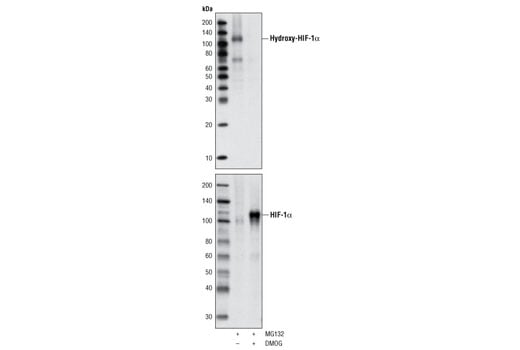
Western blot analysis of extracts from HeLa cells, treated with either 10 μM of MG132 (to accumulate hydroxylated HIF-1α) or 10 µM MG132 and 1 mM DMOG (to accumulate nonhyroxylated HIF-1α), using Hydroxy-HIF-1α (Pro564) (D43B5) XP® Rabbit mAb (upper) or total HIF-1α Antibody #3716 (lower).
undefined Image 1: Hypoxia Pathway Antibody Sampler Kit
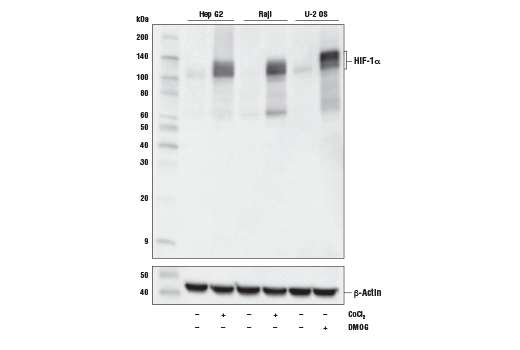
Western blot analysis of extracts from Hep G2 cells untreated (-) or treated with cobalt chloride (100 µM, 4 h; +), Raji cells untreated (-) or treated with cobalt chloride (100 µM, 4 h; +) and U-2 OS cells untreated (-) or treated with DMOG (1 mM, 6 h; +) using HIF-1α (D1S7W) XP® Rabbit mAb (upper) or β-Actin (D6A8) Rabbit mAb #8457 (lower).
undefined Image 2: Hypoxia Pathway Antibody Sampler Kit
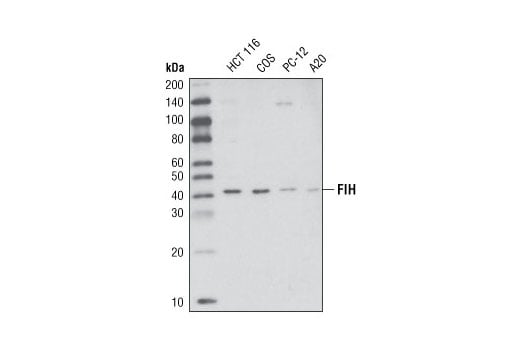
Western blot analysis of extracts from various cell types using FIH (D19B3) Rabbit mAb.
undefined Image 3: Hypoxia Pathway Antibody Sampler Kit
Orders: 877-616-CELL (2355) [email protected] Support: 877-678-TECH (8324) [email protected] Web: cellsignal.com
For Research Use Only. Not for Use in Diagnostic Procedures.

Revision 1

Cell Signaling Technology Logo
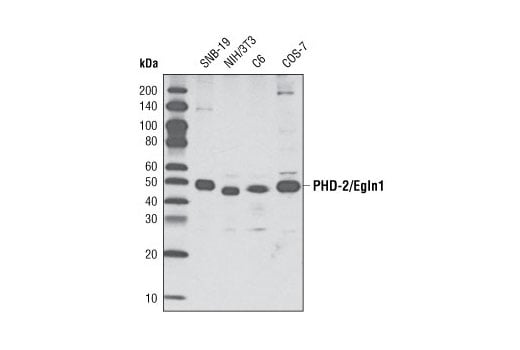
Western blot analysis of extracts from various cell types using PHD-2/Egln1 (D31F11) Rabbit mAb.
undefined Image 4: Hypoxia Pathway Antibody Sampler Kit
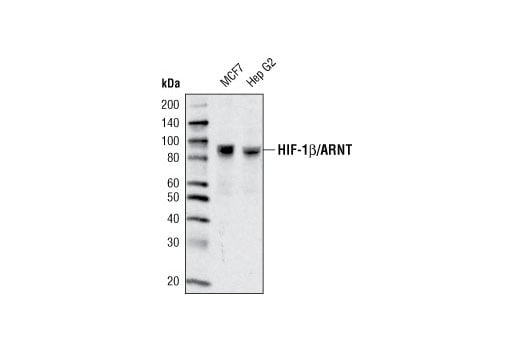
Western blot analysis of extracts from various cell types using HIF-1β/ARNT (D28F3) XP® Rabbit mAb.
undefined Image 5: Hypoxia Pathway Antibody Sampler Kit
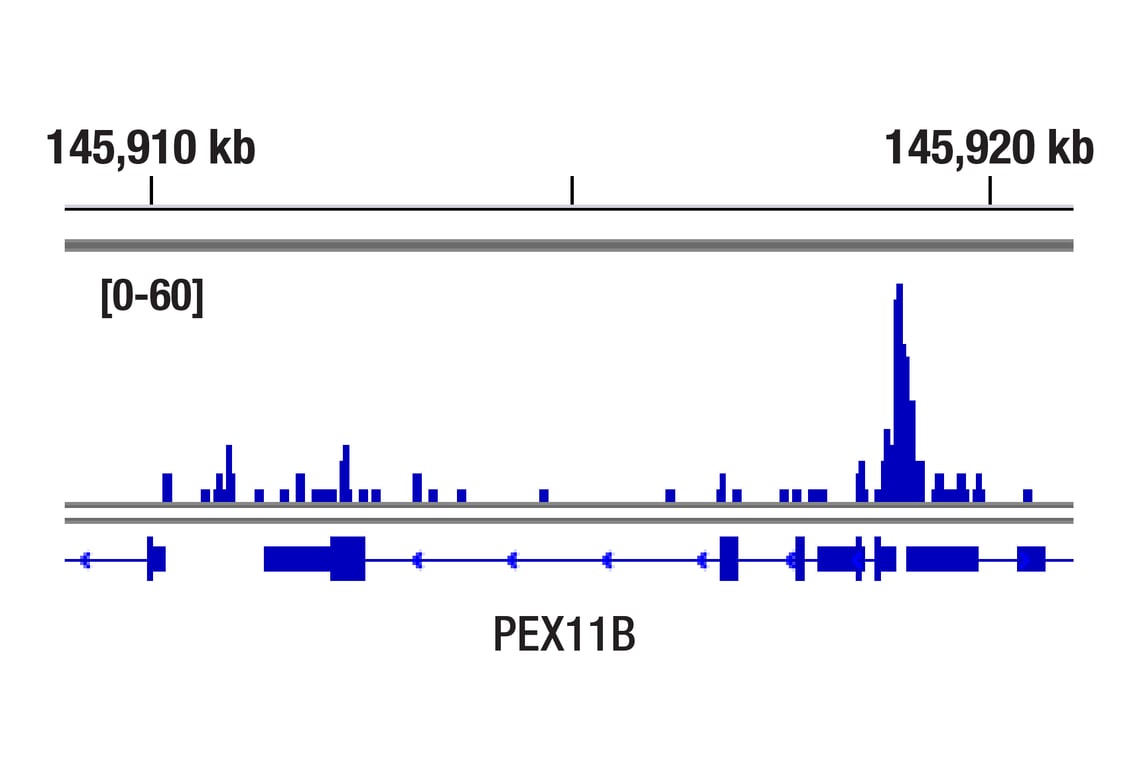
CUT&RUN was performed with T47D cells treated with BNF (1μM) for 45 min and HIF-1β/ARNT (D28F3) XP® Rabbit mAb, using CUT&RUN Assay Kit #86652. DNA library was prepared using DNA Library Prep Kit for Illumina Systems (ChIP-seq, CUT&RUN) #56795. The figure shows binding across PEX11B gene.
undefined Image 6: Hypoxia Pathway Antibody Sampler Kit
Orders: 877-616-CELL (2355) [email protected] Support: 877-678-TECH (8324) [email protected] Web: cellsignal.com
For Research Use Only. Not for Use in Diagnostic Procedures.

Revision 1

Cell Signaling Technology Logo
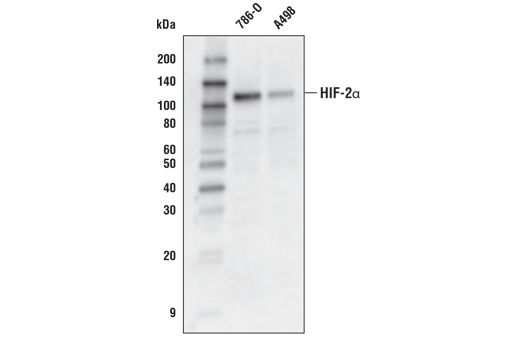
Western blot analysis of extracts from 786-O and A498 cells using HIF-2α (D6T8V) Rabbit mAb.
undefined Image 7: Hypoxia Pathway Antibody Sampler Kit
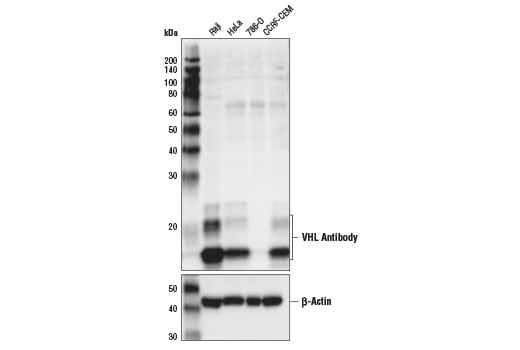
Western blot analysis of extracts from various cell lines using VHL Antibody (upper) and β-Actin (D6A8) Rabbit mAb #8457 (lower). Note that 786-O is a VHL-null cell line, demonstrating specificity of the antibody.
undefined Image 8: Hypoxia Pathway Antibody Sampler Kit
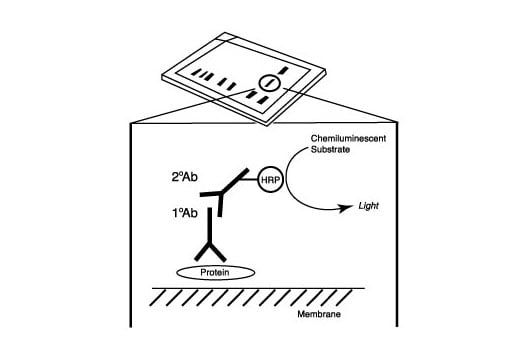
After the primary antibody is bound to the target protein, a complex with HRP-linked secondary antibody is formed. The LumiGLO® is added and emits light during enzyme catalyzed decomposition.
undefined Image 9: Hypoxia Pathway Antibody Sampler Kit
Orders: 877-616-CELL (2355) [email protected] Support: 877-678-TECH (8324) [email protected] Web: cellsignal.com
For Research Use Only. Not for Use in Diagnostic Procedures.

Revision 1

Cell Signaling Technology Logo
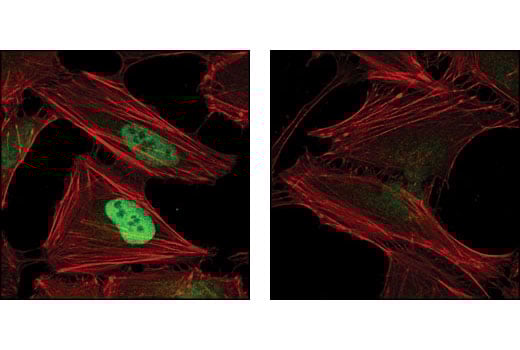
Confocal immunofluorescent analysis of HeLa cells, treated with either 10 μM MG132 (left) or 10 μM MG132 and 1 mM DMOG (right), using Hydroxy-HIF-1α (Pro564) (D43B5) XP® Rabbit mAb (green). Actin filaments have been labeled using DY-554 phalloidin (red).
undefined Image 10: Hypoxia Pathway Antibody Sampler Kit
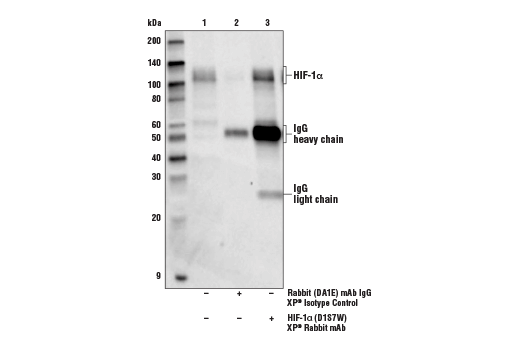
Immunoprecipitation of HIF-1α from lysate of Hep G2 cells treated with cobalt chloride (100 µM, 4 h). Lane 1 is 10% input, lane 2 is Rabbit (DA1E) mAb IgG XP® Isotype Control #3900, and lane 3 is HIF-1α (D1S7W) XP® Rabbit mAb. Western blot analysis was performed using HIF-1α (D1S7W) XP® Rabbit mAb. Anti-rabbit IgG, HRP-linked Antibody #7074 was used as the secondary antibody.
undefined Image 11: Hypoxia Pathway Antibody Sampler Kit
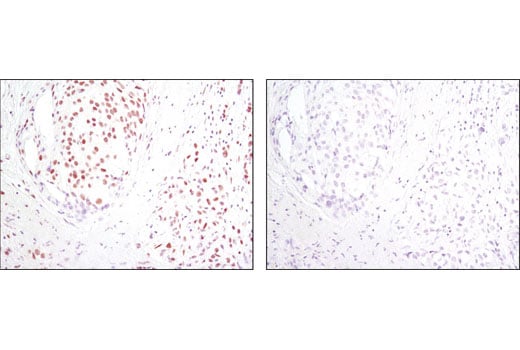
Immunohistochemical analysis of paraffin-embedded human breast carcinoma using HIF-1β/ARNT (D28F3) XP® Rabbit mAb in the presence of control peptide (left) or antigen-specific peptide (right).
undefined Image 12: Hypoxia Pathway Antibody Sampler Kit
Orders: 877-616-CELL (2355) [email protected] Support: 877-678-TECH (8324) [email protected] Web: cellsignal.com
For Research Use Only. Not for Use in Diagnostic Procedures.

Revision 1

Cell Signaling Technology Logo
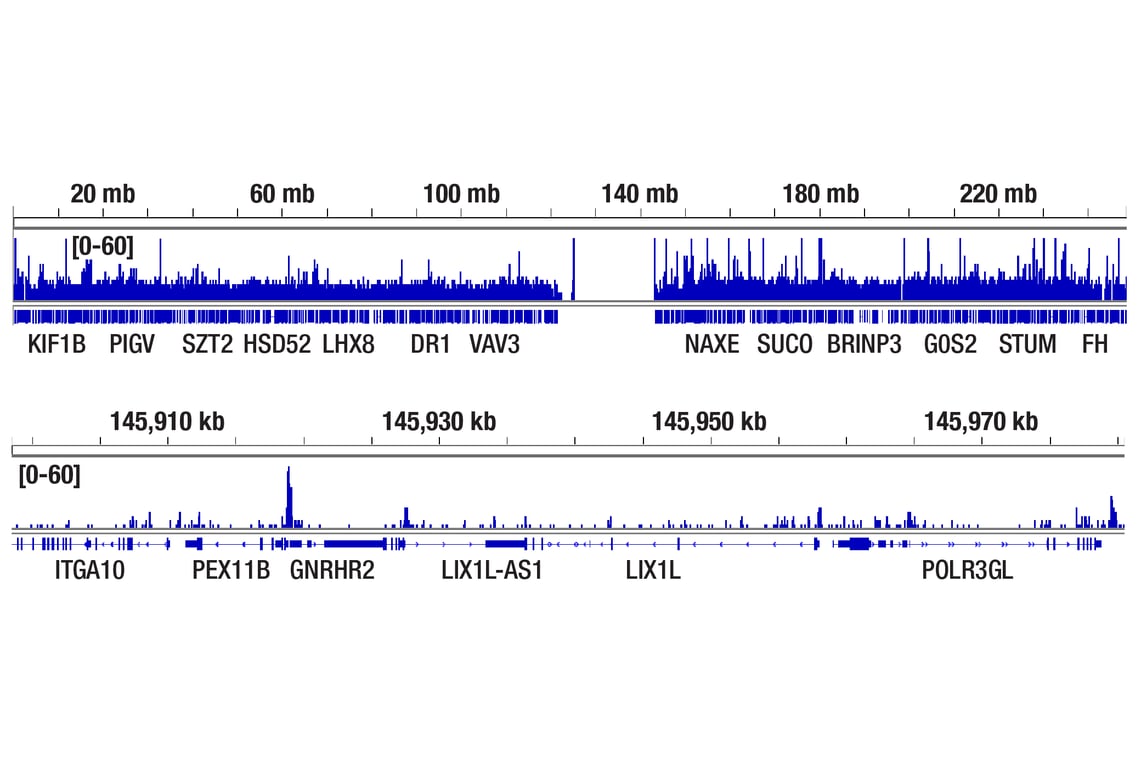
CUT&RUN was performed with T47D cells treated with BNF (1μM) for 45 min and HIF-1β/ARNT (D28F3) XP® Rabbit mAb, using CUT&RUN Assay Kit #86652. DNA library was prepared using DNA Library Prep Kit for Illumina Systems (ChIP-seq, CUT&RUN) #56795. The figures show binding across chromosome 1 (upper), including PEX11B (lower).
undefined Image 13: Hypoxia Pathway Antibody Sampler Kit
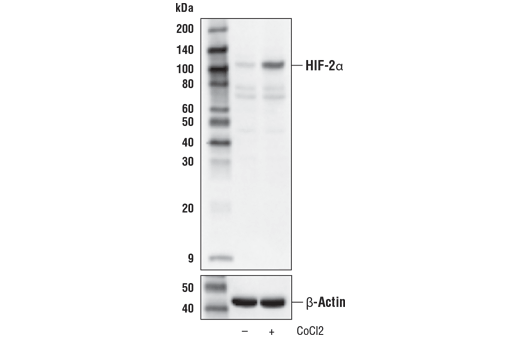
Western blot analysis of Hep G2 cells, untreated (-) or treated with cobalt chloride (CoCl2, 100 μM, 4 hr, +) using HIF-2α (D6T8V) Rabbit mAb (upper) or β-Actin (D6A8) Rabbit mAb #8457 (lower).
undefined Image 14: Hypoxia Pathway Antibody Sampler Kit
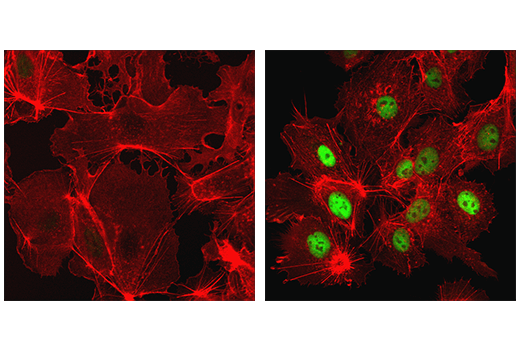
Confocal immunofluorescent analysis of Hep G2 cells, untreated (left) or treated with cobalt chloride (500 μM, 24 h; right), using HIF-1α (D1S7W) XP® Rabbit mAb (green). Actin filaments were labeled with DyLight™ 554 Phalloidin #13054 (red).
undefined Image 15: Hypoxia Pathway Antibody Sampler Kit
Orders: 877-616-CELL (2355) [email protected] Support: 877-678-TECH (8324) [email protected] Web: cellsignal.com
For Research Use Only. Not for Use in Diagnostic Procedures.

Revision 1

Cell Signaling Technology Logo
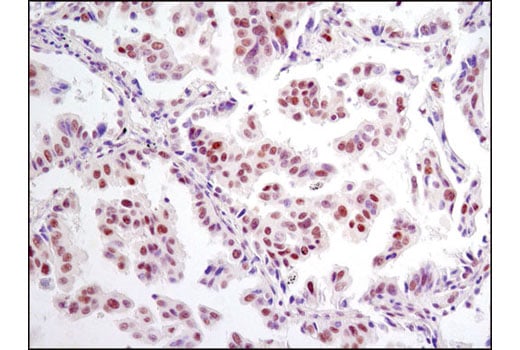
Immunohistochemical analysis of paraffin-embedded human lung carcinoma using HIF-1β/ARNT (D28F3) XP® Rabbit mAb.
undefined Image 16: Hypoxia Pathway Antibody Sampler Kit
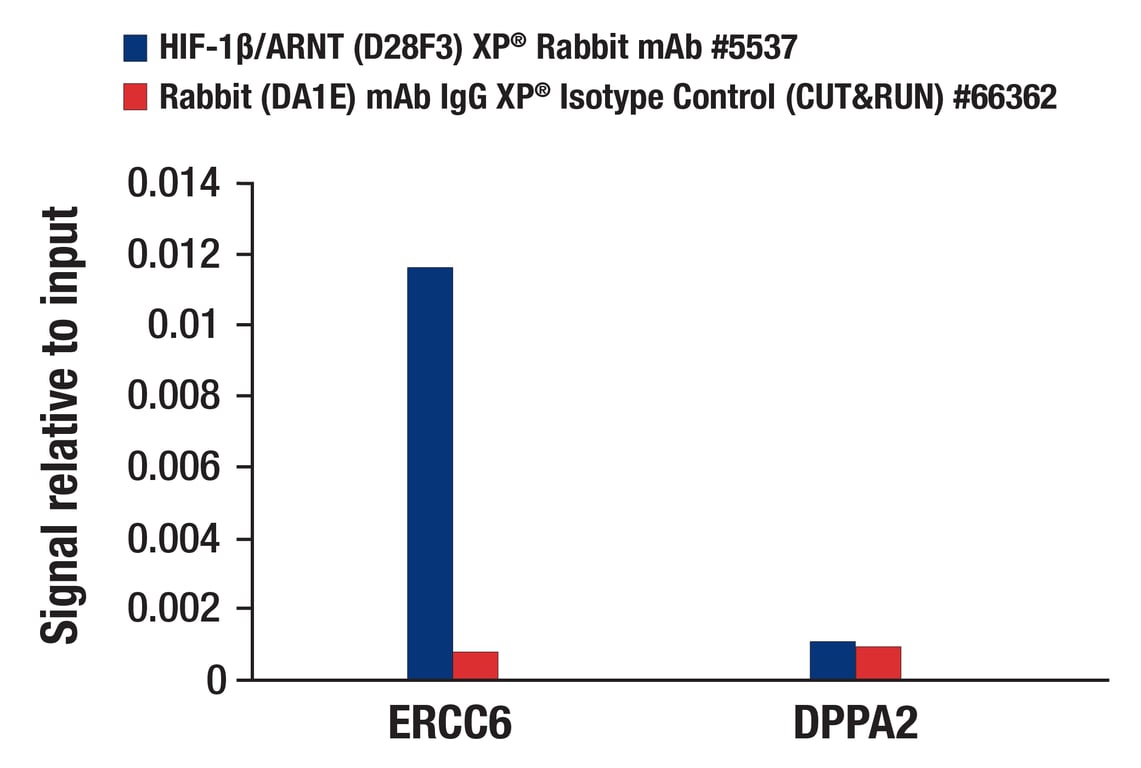
CUT&RUN was performed with T47D cells treated with BNF (1μM) for 45 min and either HIF-1β/ARNT (D28F3) XP® Rabbit mAb or Rabbit (DA1E) mAb IgG XP® Isotype Control (CUT&RUN) #66362, using CUT&RUN Assay Kit #86652. The enriched DNA was quantified by real-time PCR using human ERCC6 promoter primers and human DPPA2 intron 1 primers. The amount of immunoprecipitated DNA in each sample is represented as signal relative to the total amount of input chromatin, which is equivalent to one.
undefined Image 17: Hypoxia Pathway Antibody Sampler Kit
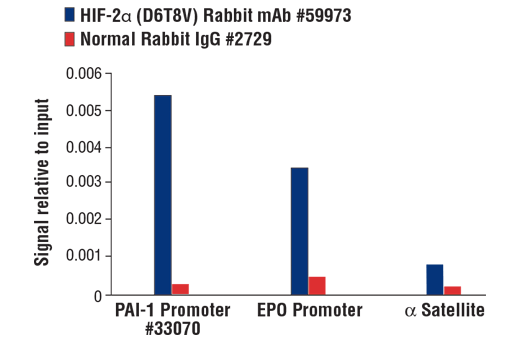
Chromatin immunoprecipitations were performed with cross-linked chromatin from Hep3B2.1-7 cells treated with cobalt chloride (100 μM) overnight and either HIF-2α (D6T8V) Rabbit mAb #59973 or Normal Rabbit IgG #2729 using SimpleChIP® Plus Enzymatic Chromatin IP Kit (Magnetic Beads) #9005. The enriched DNA was quantified by real-time PCR using SimpleChIP® Human PAI-1 Promoter Primers #33070, human EPO promoter primers, and SimpleChIP® Human α Satellite Repeat Primers #4486. The amount of immunoprecipitated DNA in each sample is represented as signal relative to the total amount of input chromatin, which is equivalent to one.
undefined Image 18: Hypoxia Pathway Antibody Sampler Kit
Orders: 877-616-CELL (2355) [email protected] Support: 877-678-TECH (8324) [email protected] Web: cellsignal.com
For Research Use Only. Not for Use in Diagnostic Procedures.

Revision 1

Cell Signaling Technology Logo
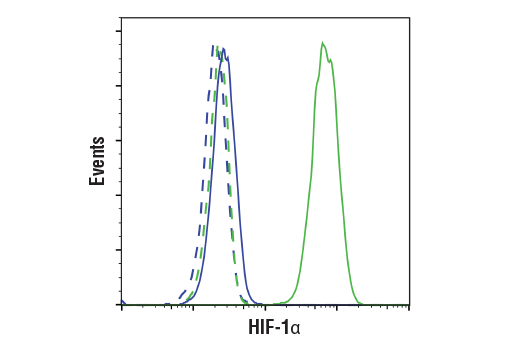
Flow cytometric analysis of U-2 OS cells, untreated (blue) or treated with DMOG (1 mM, 6 h; green), using HIF-1α (D1S7W) XP® Rabbit mAb (solid lines) or concentration-matched Rabbit (DA1E) mAb IgG XP® Isotype control #3900 (dashed lines). Anti-rabbit IgG (H+L), F(ab')2 Fragment (Alexa Fluor® 488 Conjugate) #4412 was used as a secondary antibody.
undefined Image 19: Hypoxia Pathway Antibody Sampler Kit
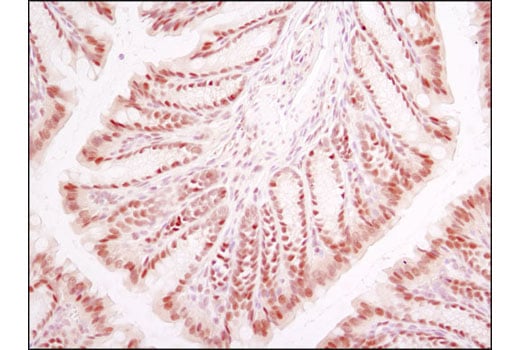
Immunohistochemical analysis of paraffin-embedded mouse colon using HIF-1β/ARNT (D28F3) XP® Rabbit mAb.
undefined Image 20: Hypoxia Pathway Antibody Sampler Kit
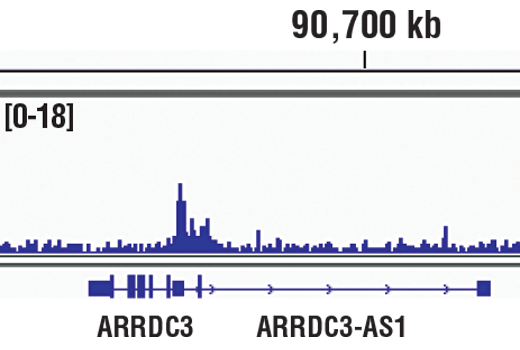
Chromatin immunoprecipitations were performed with cross-linked chromatin from MCF7 cells treated with cobalt chloride (100 μM) overnight and HIF-1α (D1S7W) XP® Rabbit mAb, using SimpleChIP® Plus Enzymatic Chromatin IP Kit (Magnetic Beads) #9005. DNA Libraries were prepared using DNA Library Prep Kit for Illumina® (ChIP-seq, CUT&RUN) #56795. The figure shows binding across ARRDC3, a known target gene of HIF-1α (see additional figure containing ChIP-qPCR data).
undefined Image 21: Hypoxia Pathway Antibody Sampler Kit
Orders: 877-616-CELL (2355) [email protected] Support: 877-678-TECH (8324) [email protected] Web: cellsignal.com
For Research Use Only. Not for Use in Diagnostic Procedures.

Revision 1

Cell Signaling Technology Logo
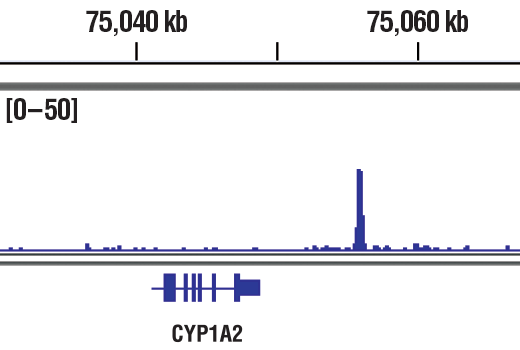
Chromatin immunoprecipitations were performed with cross-linked chromatin from T47D cells treated with BNF (1μM) for 45 min and HIF-1β/ARNT (D28F3) XP® Rabbit mAb, using SimpleChIP® Plus Enzymatic Chromatin IP Kit (Magnetic Beads)#9005. DNA Libraries were prepared using DNA Library Prep Kit for Illumina® (ChIP-seq, CUT&RUN) #56795. The figure shows binding across CYP1A2, a known target gene of HIF-1β (see additional figure containing ChIP-qPCR data). For additional ChIP-seq tracks, please download the product data sheet.
undefined Image 22: Hypoxia Pathway Antibody Sampler Kit
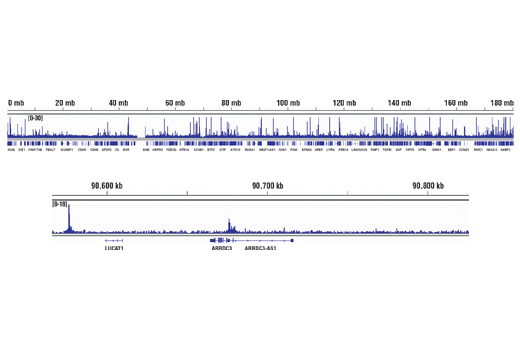
Chromatin immunoprecipitations were performed with cross-linked chromatin from MCF7 cells treated with cobalt chloride (100 μM) overnight and HIF-1α (D1S7W) XP® Rabbit mAb, using SimpleChIP® Plus Enzymatic Chromatin IP Kit (Magnetic Beads) #9005. DNA Libraries were prepared using DNA Library Prep Kit for Illumina® (ChIP-seq, CUT&RUN) #56795. The figure shows binding across chromosome 5 (upper), including ARRDC3 (lower), a known target gene of HIF-1α (see additional figure containing ChIP-qPCR data).
undefined Image 23: Hypoxia Pathway Antibody Sampler Kit
Chromatin immunoprecipitations were performed with cross-linked chromatin from T47D cells treated with BNF (1μM) for 45 min and either HIF-1β/ARNT (D28F3) XP® Rabbit mAb or Normal Rabbit IgG #2729 using SimpleChIP® Enzymatic Chromatin IP Kit (Magnetic Beads) #9003. The enriched DNA was quantified by real-time PCR using SimpleChIP® Human NFE2L2 Intron 1 Primers #81126, human CYP1A1 promoter primers, and SimpleChIP® Human α Satellite Repeat Primers #4486. The amount of immunoprecipitated DNA in each sample is represented as signal relative to the total amount of input chromatin, which is equivalent to one.
undefined Image 24: Hypoxia Pathway Antibody Sampler Kit
Orders: 877-616-CELL (2355) [email protected] Support: 877-678-TECH (8324) [email protected] Web: cellsignal.com
For Research Use Only. Not for Use in Diagnostic Procedures.

Revision 1

Cell Signaling Technology Logo
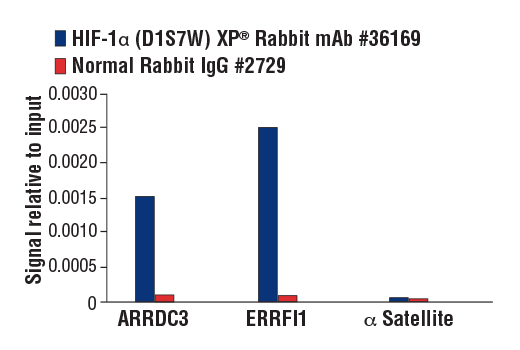
Chromatin immunoprecipitations were performed with cross-linked chromatin from MCF7 cells treated with cobalt chloride (100 μM, overnight) and either HIF-1α (D1S7W) XP® Rabbit mAb or Normal Rabbit IgG #2729, using SimpleChIP® Plus Enzymatic Chromatin IP Kit (Magnetic Beads) #9005. The enriched DNA was quantified by real-time PCR using human ARRDC3 downstream primers, SimpleChIP® Human ERRFI1 Upstream Primers #31180, and SimpleChIP® Human α Satellite Repeat Primers #4486. The amount of immunoprecipitated DNA in each sample is represented as signal relative to the total amount of input chromatin, which is equivalent to one.
undefined Image 25: Hypoxia Pathway Antibody Sampler Kit
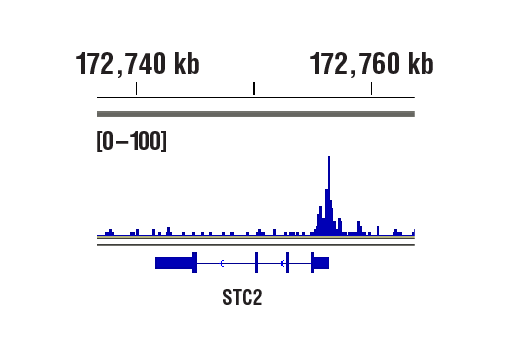
CUT&RUN was performed with MCF7 cells treated with cobalt chloride (100 μM) overnight and HIF-1α (D1S7W) XP® Rabbit mAb, using CUT&RUN Assay Kit #86652. DNA library was prepared using DNA Library Prep Kit for Illumina® (ChIP-seq, CUT&RUN) #56795. The figure shows binding across STC2, a known target gene of HIF-1α (see additional figure containing CUT&RUN-qPCR data).
undefined Image 26: Hypoxia Pathway Antibody Sampler Kit
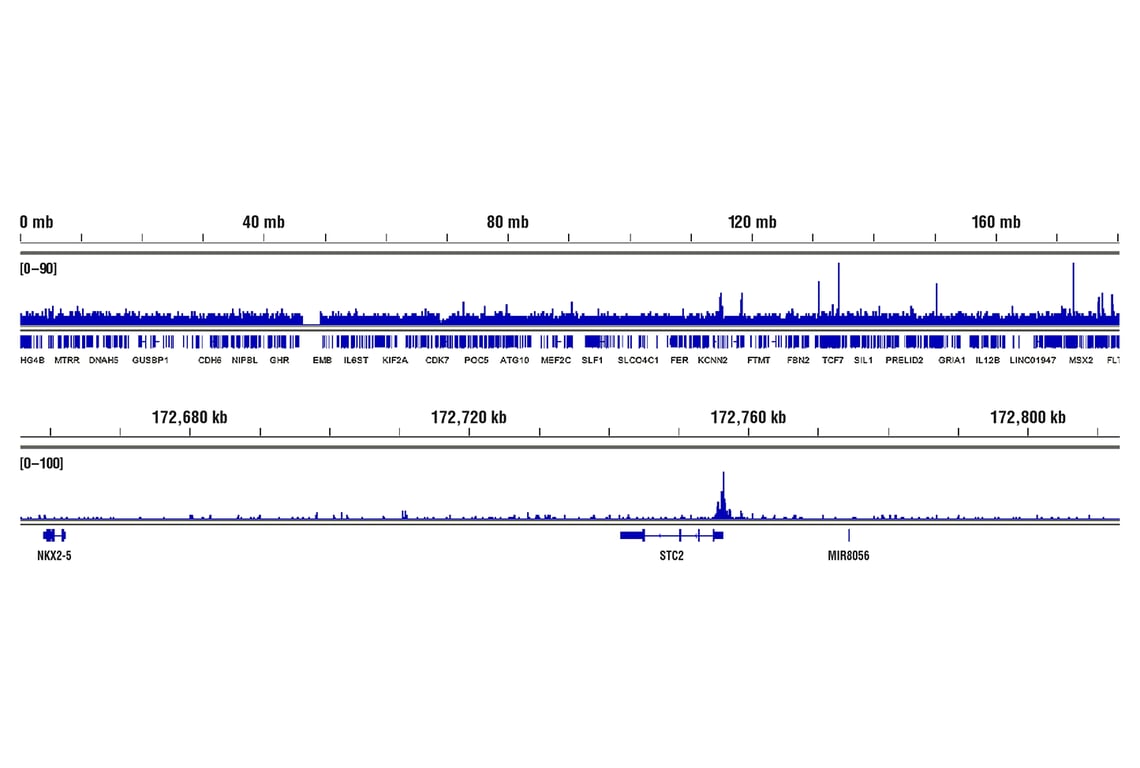
CUT&RUN was performed with MCF7 cells treated with cobalt chloride (100 μM) overnight and HIF-1α (D1S7W) XP® Rabbit mAb, using CUT&RUN Assay Kit #86652. DNA Libraries were prepared using DNA Library Prep Kit for Illumina® (ChIP-seq, CUT&RUN) #56795. The figures show binding across chromosome 5 (upper), including STC2 (lower), a known target gene of HIF-1α (see additional figure containing CUT&RUN-qPCR data).
undefined Image 27: Hypoxia Pathway Antibody Sampler Kit
Orders: 877-616-CELL (2355) [email protected] Support: 877-678-TECH (8324) [email protected] Web: cellsignal.com
For Research Use Only. Not for Use in Diagnostic Procedures.

Revision 1

Cell Signaling Technology Logo
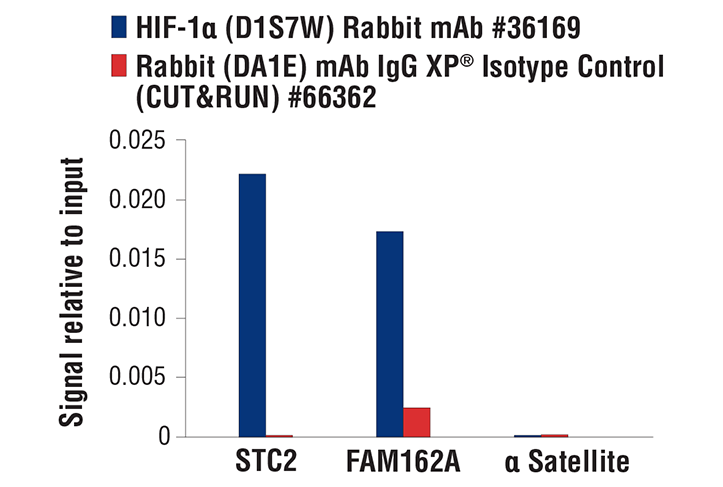
CUT&RUN was performed with MCF7 cells treated with cobalt chloride (100 μM) overnight and HIF-1α (D1S7W) XP® Rabbit mAb or Rabbit (DA1E) mAb IgG XP® Isotype Control (CUT&RUN) #66362, using CUT&RUN Assay Kit #86652. The enriched DNA was quantified by real-time PCR using human STC2 exon 1 primers, human FAM162A promoter primers and SimpleChIP® Human α Satellite Repeat Primers #4486. The amount of immunoprecipitated DNA in each sample is represented as signal relative to the total amount of input chromatin, which is equivalent to one.
undefined Image 28: Hypoxia Pathway Antibody Sampler Kit
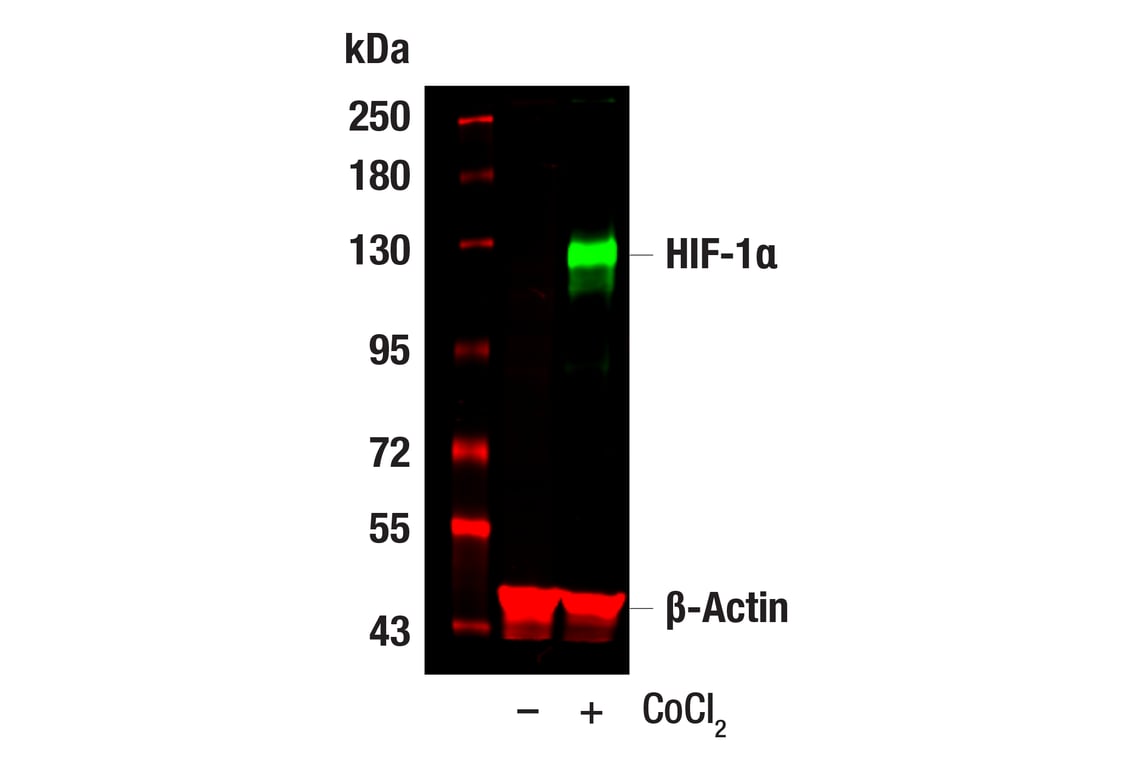
Western blot analysis of extracts from Hep G2 cells, untreated (-) or treated with cobalt chloride (100 μM, 24 hr; +), using HIF-1α (D1S7W) XP® Rabbit mAb #36169 (green), and β-Actin (8H10D10) Mouse mAb #3700 (red). Anti-rabbit IgG (H+L) (DyLight 800 4X PEG Conjugate) #5151 (green) and Anti-mouse IgG (H+L) (DyLight 680 Conjugate) #5470 (red) were used as secondary antibodies.
undefined Image 29: Hypoxia Pathway Antibody Sampler Kit
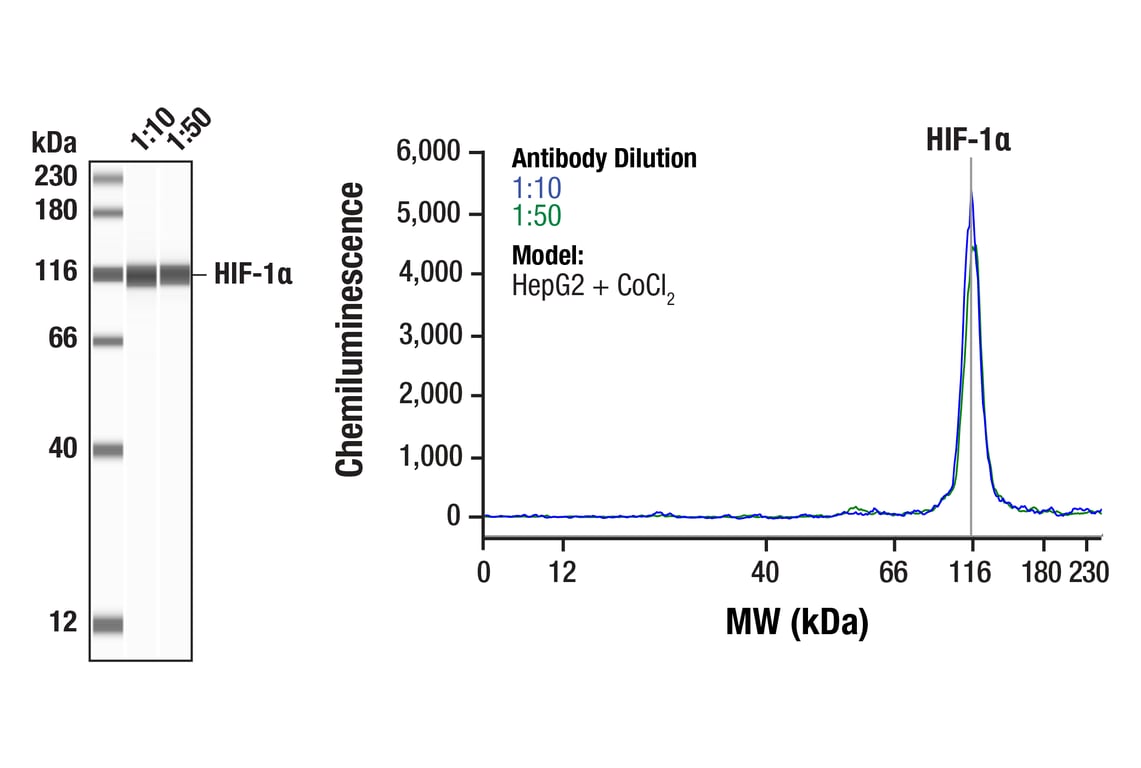
Simple Western™ analysis of lysates (0.1 mg/mL) from HepG2 cells treated with cobalt chloride (100 µM, 24 hr) using HIF-1α (D1S7W) XP® Rabbit mAb #36169. The virtual lane view (left) shows the target band (as indicated) at 1:10 and 1:50 dilutions of primary antibody. The corresponding electropherogram view (right) plots chemiluminescence by molecular weight along the capillary at 1:10 (blue line) and 1:50 (green line) dilutions of primary antibody. This experiment was performed under reducing conditions on the Jess™ ​​​​​​​Simple Western instrument from ProteinSimple, a BioTechne brand, using the 12-230 kDa separation module.
undefined Image 30: Hypoxia Pathway Antibody Sampler Kit
Orders: 877-616-CELL (2355) [email protected] Support: 877-678-TECH (8324) [email protected] Web: cellsignal.com
For Research Use Only. Not for Use in Diagnostic Procedures.

Revision 1

Cell Signaling Technology Logo
Simple Western™ analysis of lysates (0.1 mg/mL) from U-937 cells using VHL Antibody #68547. The virtual lane view (left) shows the target band (as indicated) at 1:10 and 1:50 dilutions of primary antibody. The corresponding electropherogram view (right) plots chemiluminescence by molecular weight along the capillary at 1:10 (blue line) and 1:50 (green line) dilutions of primary antibody. This experiment was performed under reducing conditions on the Jess™ Simple Western instrument from ProteinSimple, a BioTechne brand, using the 2-40 kDa separation module.
undefined Image 31: Hypoxia Pathway Antibody Sampler Kit
Orders: 877-616-CELL (2355) [email protected] Support: 877-678-TECH (8324) [email protected] Web: cellsignal.com
For Research Use Only. Not for Use in Diagnostic Procedures.